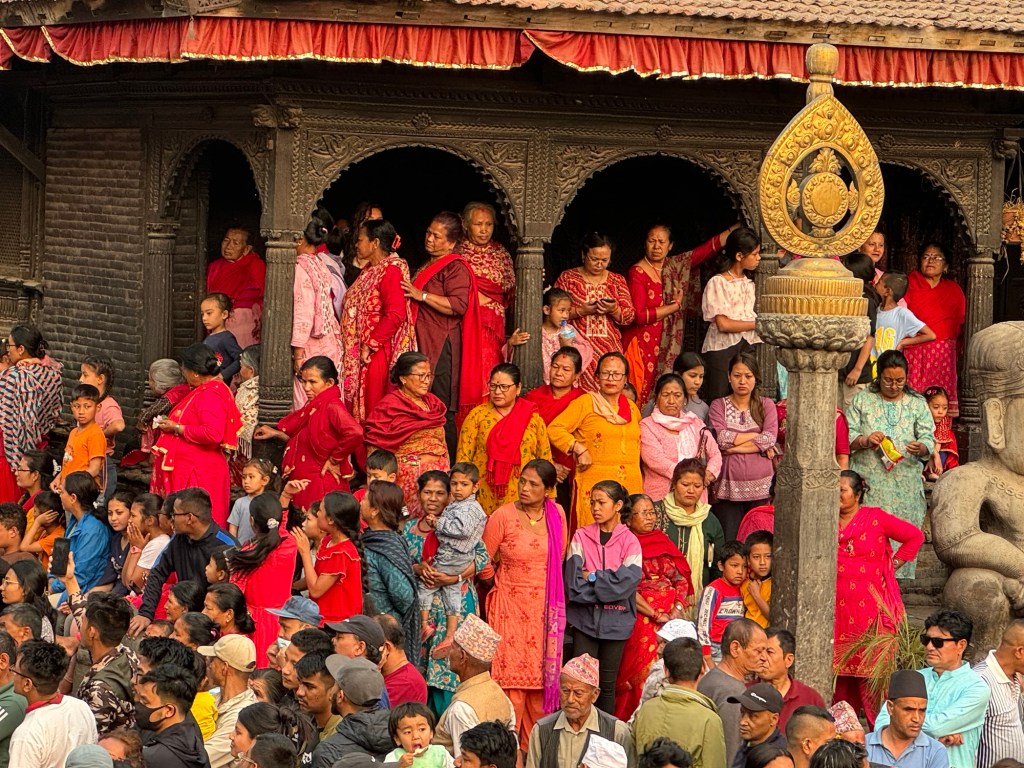
The year had just turn to 2081 and the New Year celebrations were still ongoing, when I travelled to Baktapur in the Kathmandu valley.
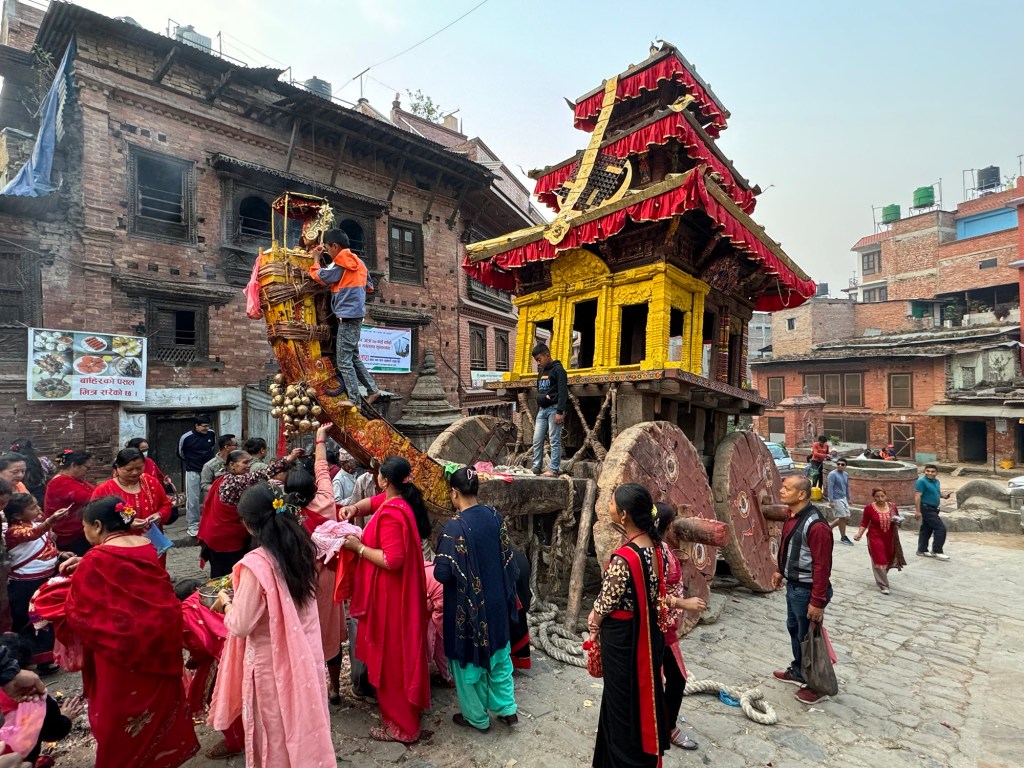
Nepal is in so many ways different from the rest of the world, and this includes the Bikram Sambat calendar, which is roughly 57 years ahead of the Gregorian calendar….
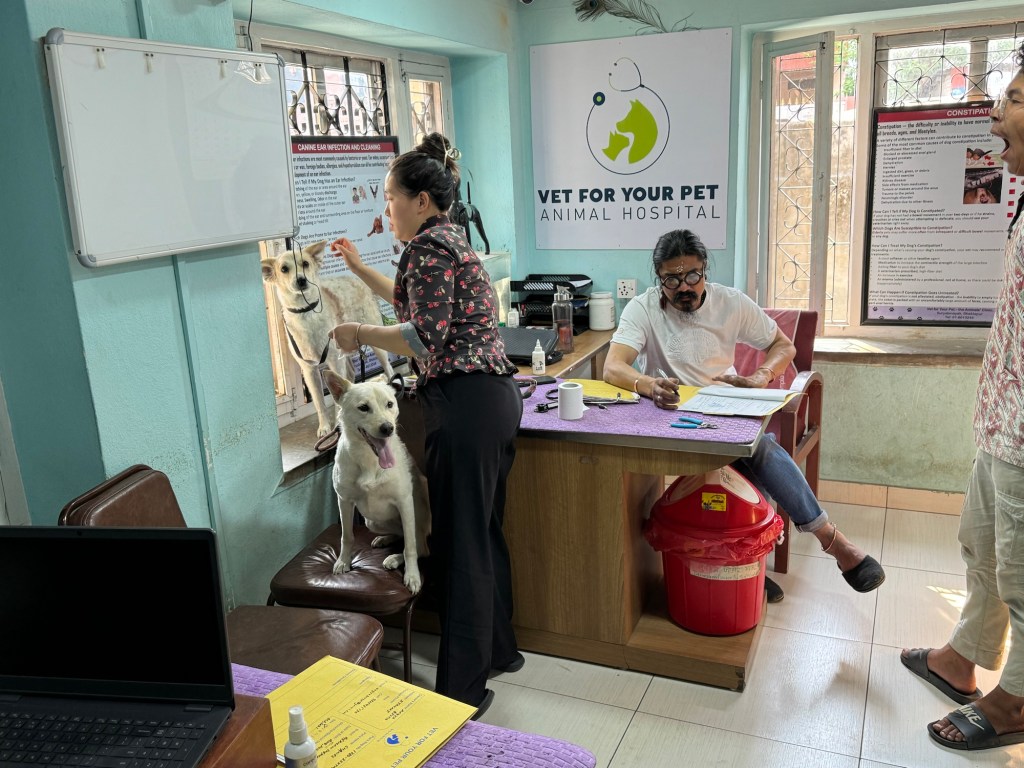
Baktapur is the birthplace of my local colleague Pranav Joshi, who very kindly allowed me to visit his clinic and to see a few cases together with him.

In a small sidestreet in Baktapur, Pranav is running together with his brother Sandeep, who is also his practice manager, a small veterinary practice and a basic learning center where he is trying to pass on his clinical knowledge of companion animal medicine to his younger colleagues. A deeply spiritual man, Pranav is always trying to combine his strong pantheistic believes with evidence based science.


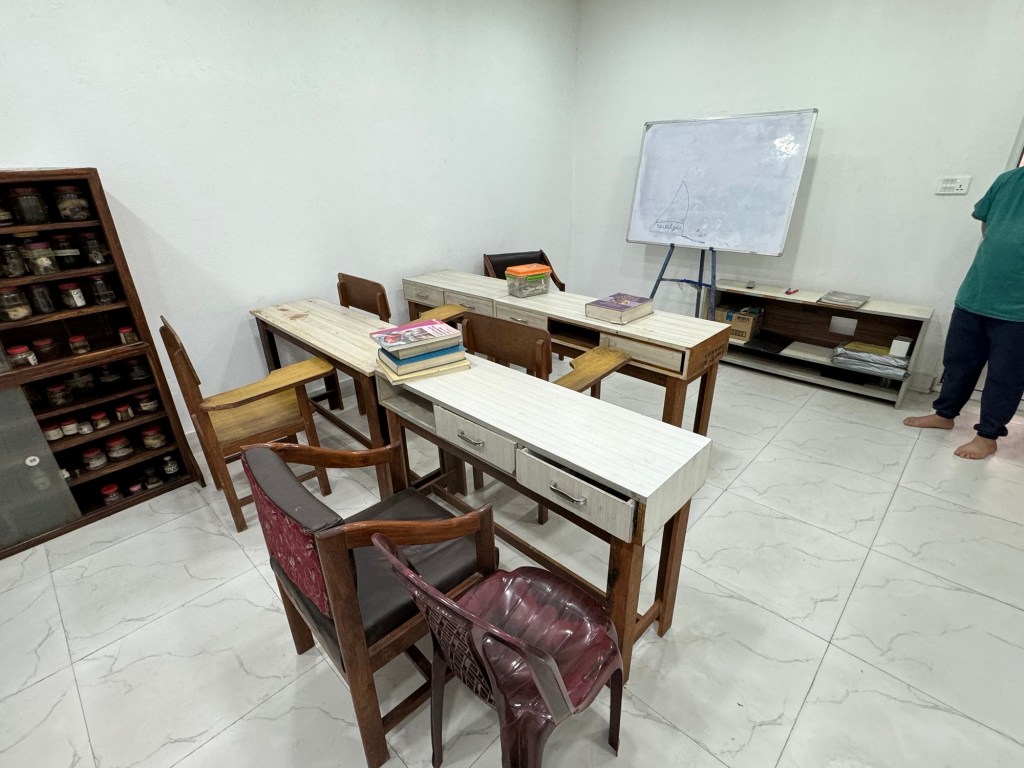
The veterinary course in Nepal provides graduates with very limited skills and these center predominantly around the treatment of livestock.
The care of companion animals is left to just a small number of practices in the Kathmandu valley and even here only a few pet owners see the need to spend money on veterinary fees for their dog and even less for their cat. This is reflected in a maximum consultation fee of 1000 Nepalese Rupees in Kathmandu, which are circa £7/8 US$. It is half that or even less elsewhere.
Pranav and his brother are operating two sites: the smaller, but traditional one in Baktapur and a larger, more spacious one in an upmarket residential part of Kathmandu.

The latter site seems to fund the former, where only very limited services can be provided.
Pranav’s main caseload consists of family dogs of both Nepalese and foreign pet owners. Cats and other species are seen far less frequently.
Vaccinations, including protection against rabies and corona virus, play an important role and so does regular preventative treatment against ecto and endoparasites.
Commercial pet foods, produced in Nepal or in India, have a bad reputation, so that the majority of dogs receive home made diets instead. Unfortunately these in many cases are lacking sufficient amounts of Calcium and vitamin D, resulting in poorly mineralised long bones and ribs and subsequently in pathological fractures. Another common metabolic issue are, according the Pranav, dogs been fed strictly vegetarian diets developing cardiomyopathies.
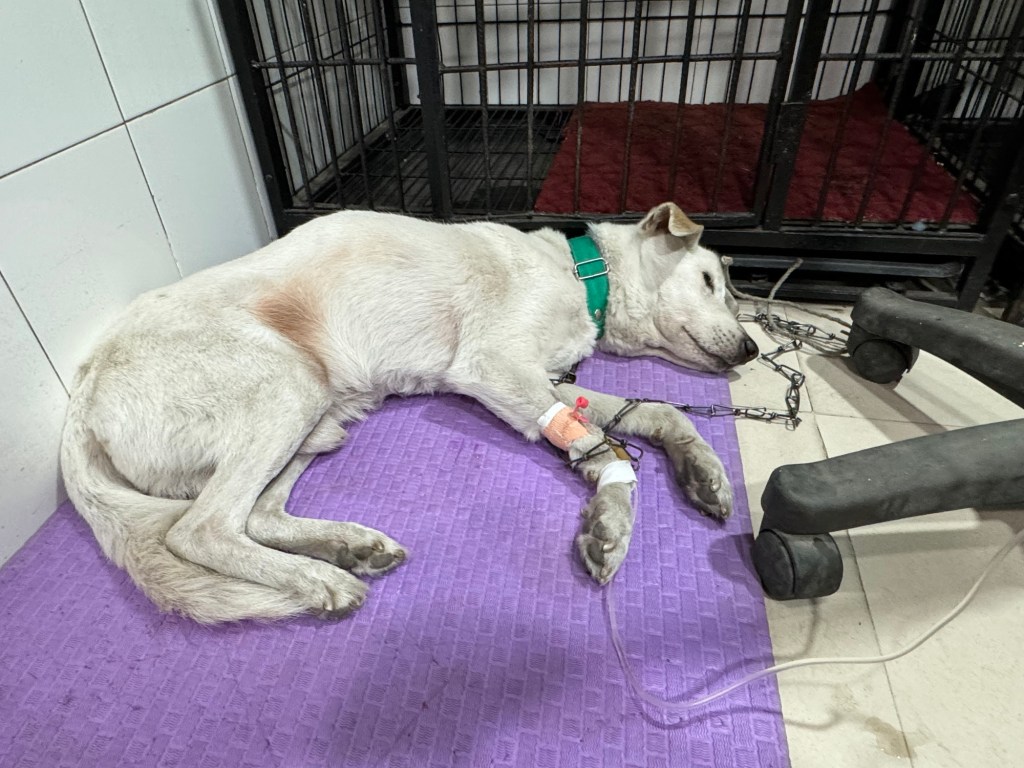
Tick bourne diseases, including Ehrlichiosis, Anaplasmosis and Babesiosis, or a combination of all of these, are another problem frequently encountered and once stabilised, patients have to remain for weeks on medication.
Interestingly, Leishmaniosis doesn’t appear to be an issue in the Kathmandu valley, possibly due to the absence of its vector, the sandfly. The disease (Kala-Azar) is however of great concern for humans and for pets in the South-Eastern part of the country, as well as in parts of India and in Bangladesh.
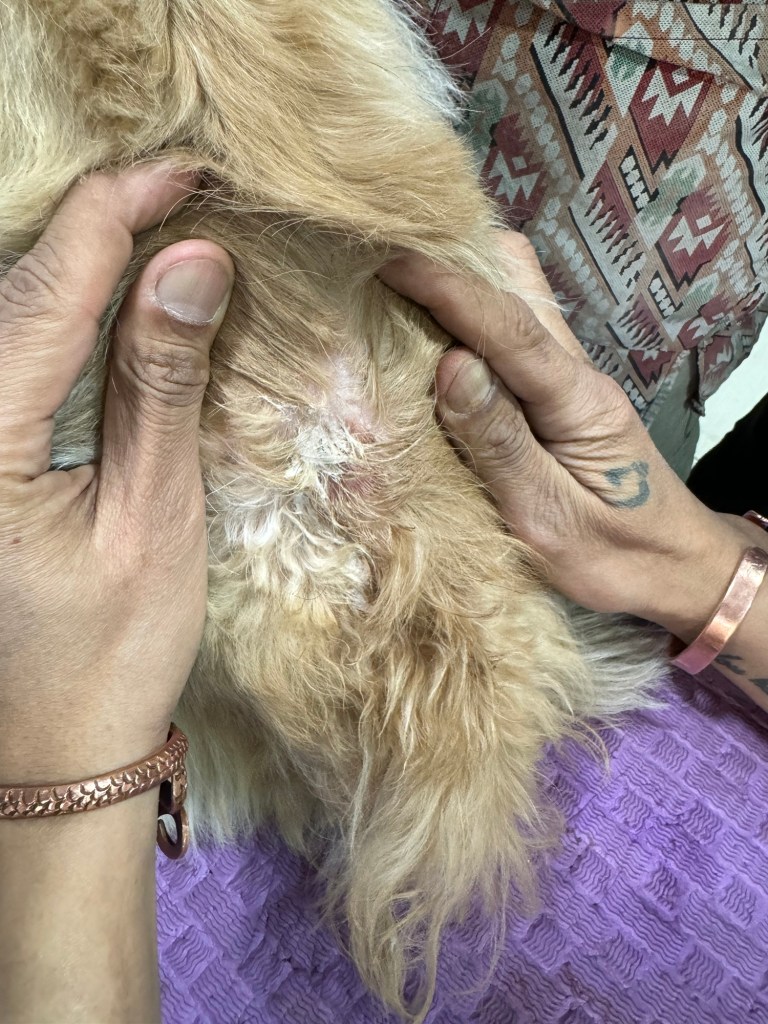
Skin conditions like Hot Spots or lick granulomas are reflecting the UK caseload in a typical warm late summer. Here, similar to the UK, predominantly larger and long haired dog breeds are affected.

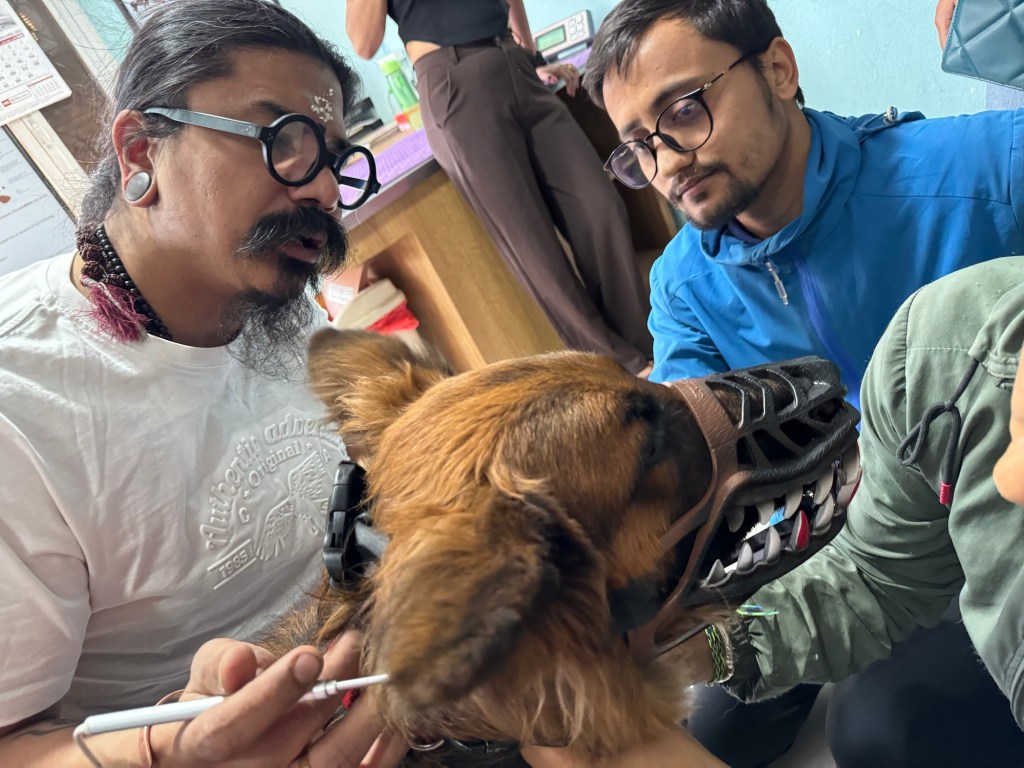
Pranav’s consulations are very social affairs with him being joined by usually two assistants and his patients usually accompanied by two or three family members.
Something that was new to me, was this unusual version of a Baskerville muzzle ……

As much I can see the comical side of it, I found that this would make it very difficult to read a dog that is stressed and I can not see the design catching on in European veterinary practices.
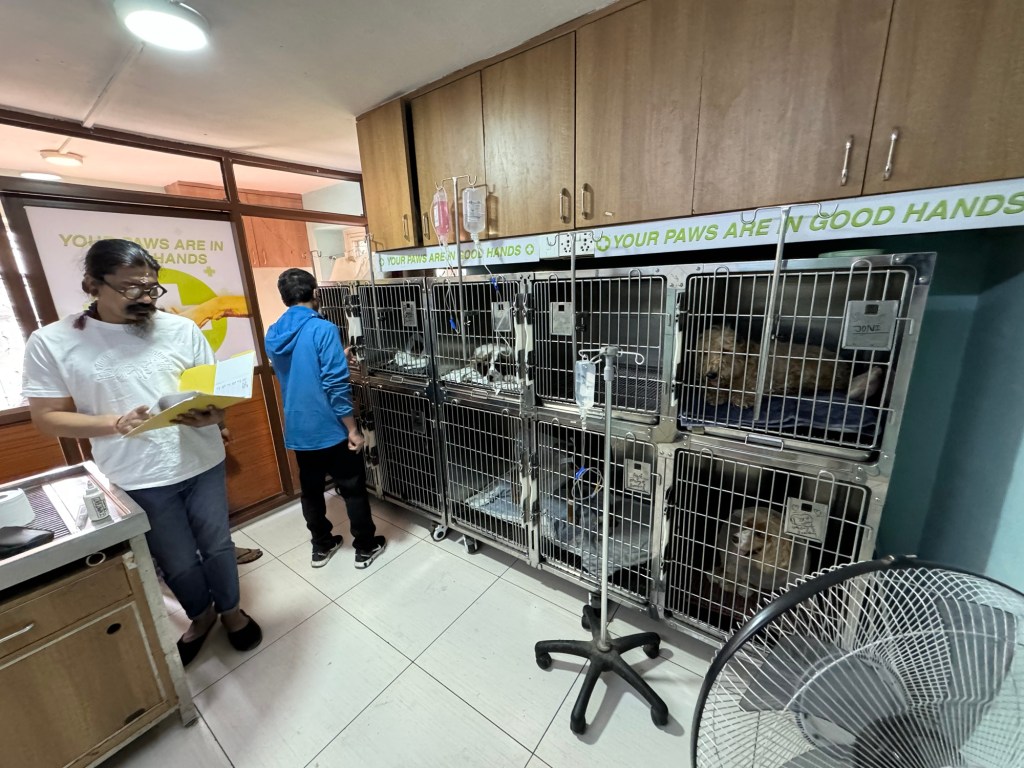
The clinic in Kathmandu is one of the very few places in Nepal with an inpatient area and the ability to offer hospitalisation over night and on weekends.

Numerous newspaper articles and thank you cards displayed on the walls in the waiting room leave no doubt about Dr Joshi’s popularity as a vet and people are prepared to travel long distances to see Nepal’s “Dogfather”.

 The Blue Vet Diary