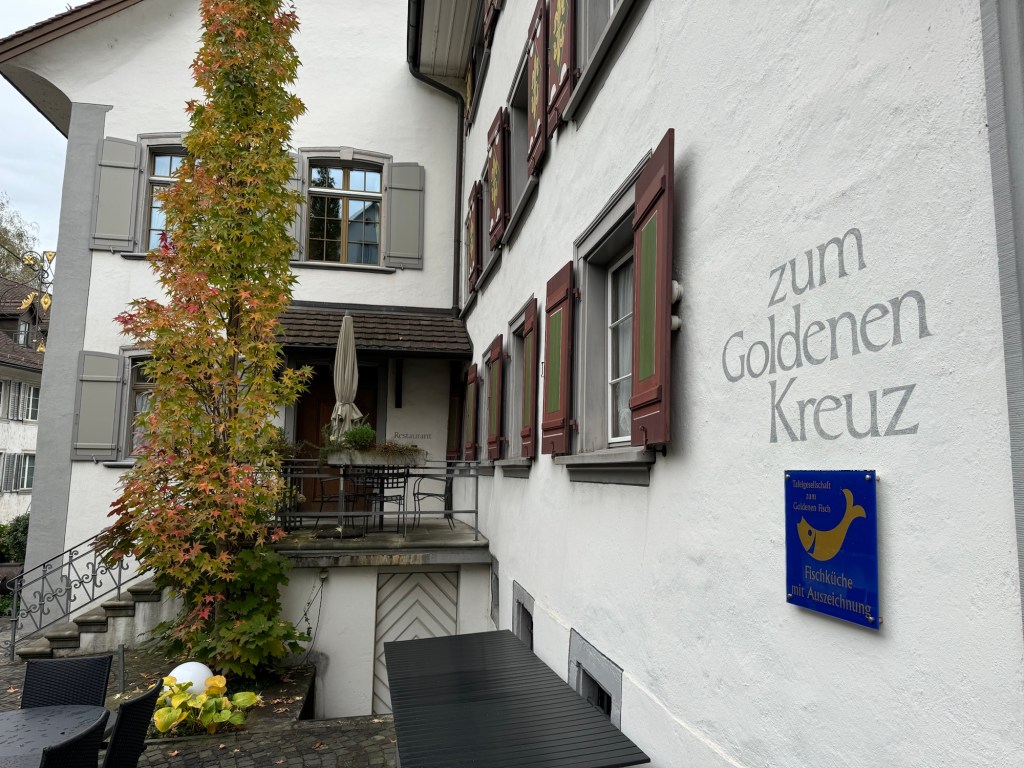
Another day, another place and once again the realisation, that there is so much more to life than veterinary medicine…..

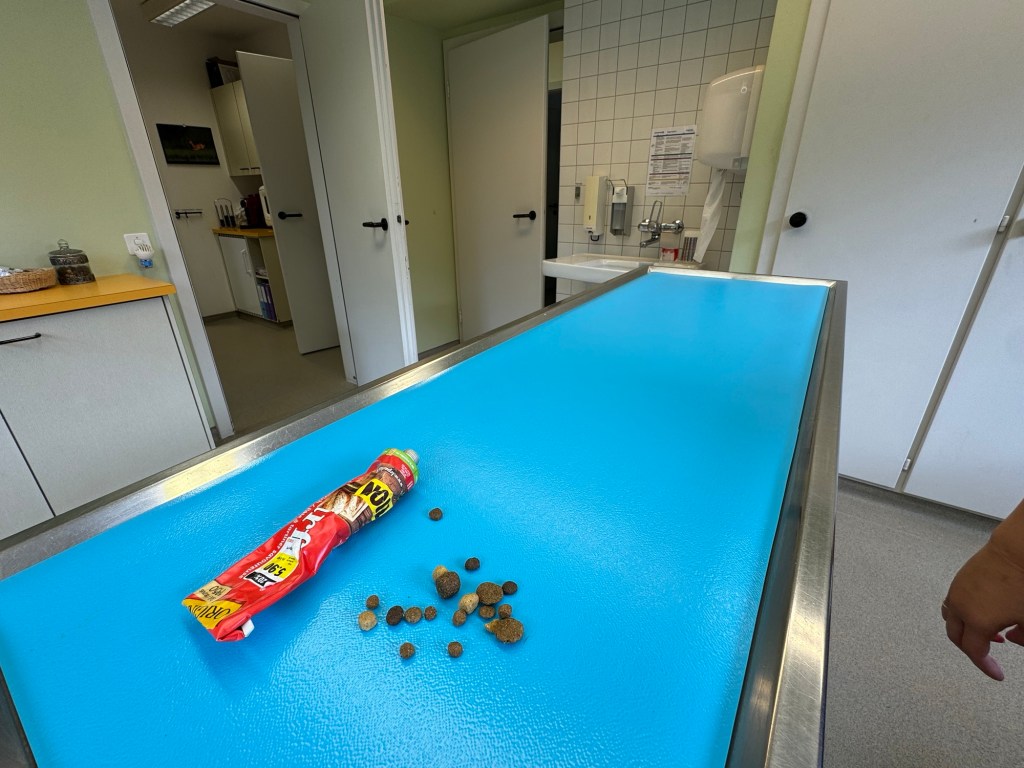
It had been a busy morning at the small veterinary clinic in Frauenfeld, not far from the German border in the North of Switzerland, where I had been working in the beginning of October.

Heading to the town centre for lunch, I passed – on the other side of the road – the “Gasthof zum goldenen Kreuz”, an historic inn with a typical Swiss dormer roof and shuttered windows.
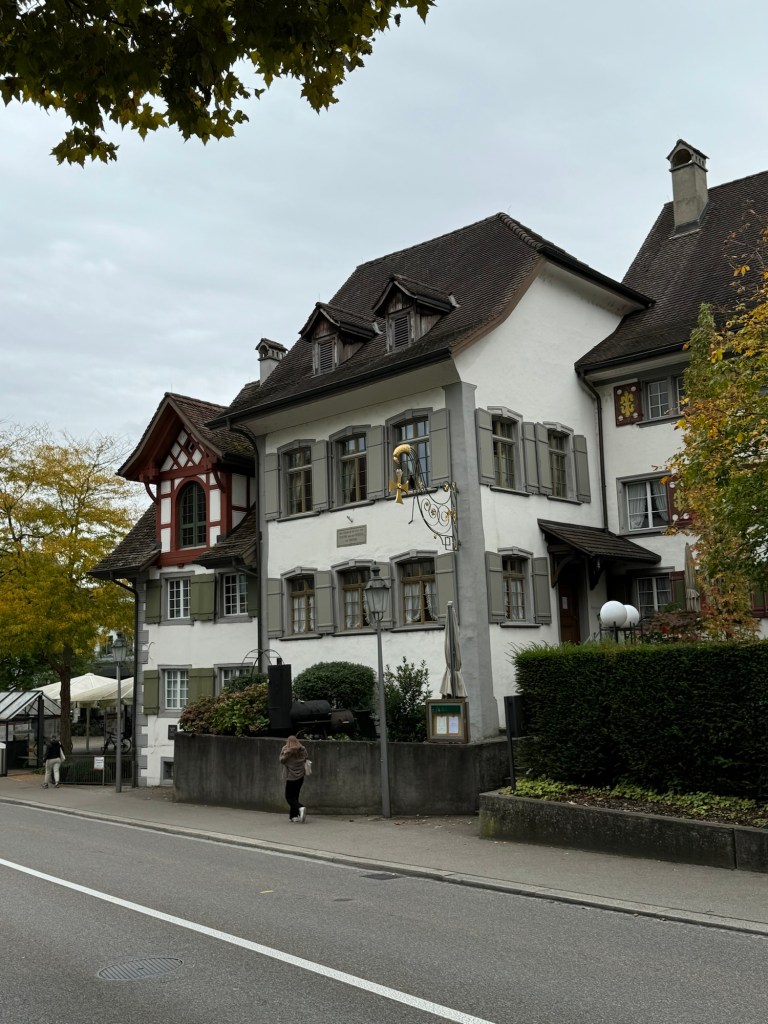
On the front of the building, right next to the golden cross that gave the place its name, I noticed a plaque that caught my attention:
According to this, Johann Wolfgang von Goethe, the 18th century German polymath, had stayed here at the end of 1779.

This came as a bit of a surprise and I thought that it warranted some further investigation…..
Despite having died nearly 200 years ago, Goethe still commands a pivotal role in German culture, somewhat akin to the role that Shakespeare plays in British society, just with the difference that Goethe wasn’t “just” a playwright and director, but as a typical product of the Age of Enlightenment, he also was a scientist, a politician, a philosopher and he probably excelled in everything else that involved the brain….
1779 hadn’t started well in terms of veterinary medicine though: in the beginning of January, Claude Bourgelat, the founder of the world’s first two vet schools – in Lyon and in Alfort in France – had passed away.
It also wasn’t a great year for the British explorer Captain James Cook, who a month later found a somewhat tragic end, when he wasn’t welcome on the Sandwich Islands….
Goethe however had been on his second, very enjoyable journey to Switzerland and he was in the company of the Duke of Weimar, when he stopped in Frauenfeld and stayed at the Golden Cross Inn in December of 1779. While visiting Lucerne, he had come across the tale of Wilhelm Tell, who’s resistance against the Habsburg empire, which in the narrative was embodied by the evil bailiff Gessler, was a key event in the Swiss strive for independence. The figure of Wilhelm Tell remains a quintessential part of the Swiss national soul even to this day.
What Goethe had learnt on this journey had unforeseen consequences, which as well would stand the test of time:
Passing on this tale to another stalwart of German literature – Friedrich Schiller – it resulted in one of Germany’s most famous theatre plays, despite the fact that the author had never set foot into Switzerland.
When being premiered in Weimar in 1804, the performance was directed by no other than Goethe…
Move forward another 25 years and the play had been turned into an opera by Rossini.
The things one could learn in a lunch break…..well, and then it was back to work for afternoon consults !
Btw ….. it appears that both Napoleon and Mussolini chose to stay at the same place (not at the same time though….), but a vet’s lunch break is just too short to cover this as well. May be another time….
 The Blue Vet Diary