Over the last few weeks, I have made the acquaintance of two remarkable men.
Unfortunately both are no longer with us, but they left a deep impact on me.
Let me tell you more about them…..
It was just before Christmas and as I was not signed up for a shift at the emergency clinic that night, I was strolling through Mayfair and Soho, enjoying – like thousands of other visitors to London – the festive illumination of the roads and buildings along Carnaby, Bond and Regents Street.
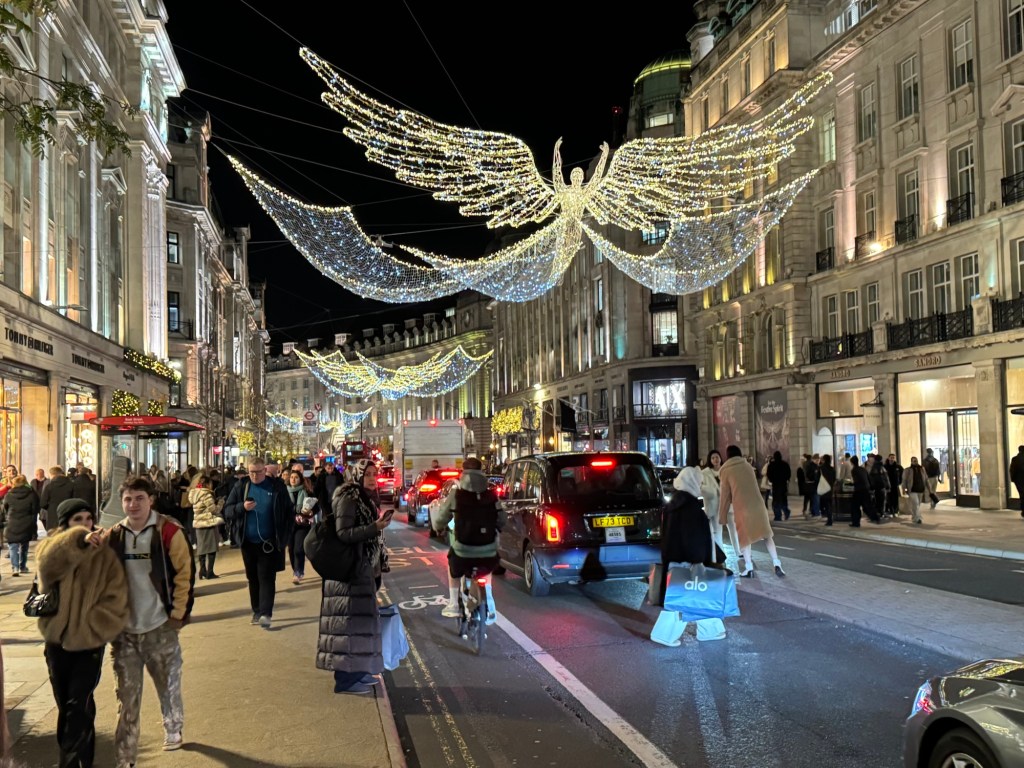
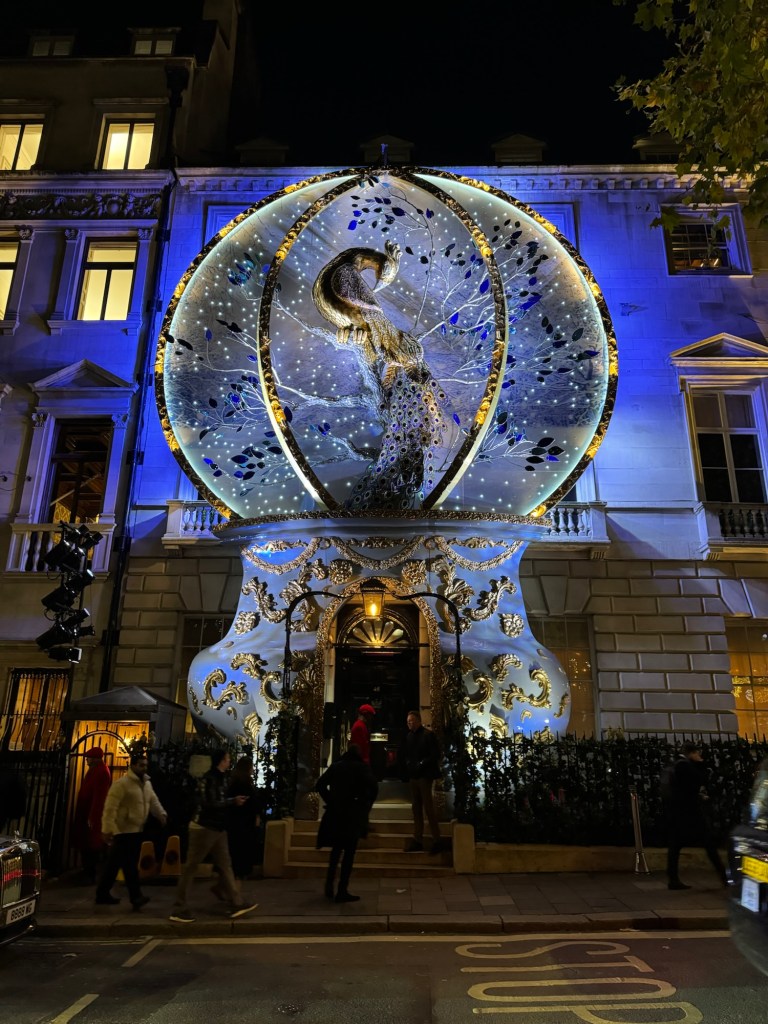
Forgotten seemed the concerns about possible fuel shortages and lighting artists commissioned by the darlings of seasonal shoppers with infinite budgets were outbidding each other with their extravagant installations, very much to the delight of the mere mortals, who had to limit their own purchase to a mulled wine in a thin paper cup for the best part of ten pound.

Eventually I had progressed to Piccadilly and after admiring the unmistakable façade of Fortnum & Mason, which resembled a giant advent calendar, I decided to take a closer look at Hatchards, one of London’s most famous book shops, which was located right next door.
Describing the history and the dimensions of this institution, which is solely dedicated to the written word, could easily provide enough material on its own to fill a chapter of this diary.
May be another time….
Progressing up the wooden staircase through this world of paperbacks, signed hardcovers, rare 1st editions, heavy coffee table books and of new releases, which still emitted the smell of fresh ink, I came across my first protagonist:
“The man who loved Siberia”

Based on his travels to the Far East of czarist Russia, the book is taking you along on several journeys in the second half of the 19th century together with a man called Fritz Dörries, from Hamburg to Vladivostok and to the unspoiled wilderness of Siberia.
Inspired as a child by the drawing of a colourful butterfly, unknown in Europe at that time and encouraged by the travel accounts of famous naturalists like Alfred Brehm and Alexander von Humboldt, Dörries immersed himself into a pristine and diverse wilderness, that had been witnessed by very few human beings before him.
Here his sole focus was to collect and to preserve as many yet new and unclassified species as possible, for the fast growing collections of European universities and natural history museums that were trying to meet the demand for knowledge and entertainment of the colonial societies of that time.
His shipments from the Far East included not only rare butterflies, but all kinds of insects, plants, species of smaller and even larger reptiles, birds and mammals and also large quantities of day to day house hold and hunting utensils of the native communities he encountered. For months he disappeared, with only one or two companions, into a world, where confrontations with bears and Amur tigers were common, where groups of marauding bandits where a regular threat and where he had to live off a land that had one of the most extreme climates on the planet.
Naturally this was a time without satellite navigation, without mobile phones, without something called “travel insurance” and without even basic forms medical support.
But Dörries was prepared: having grown up in a large, science and nature obsessed household, with his father working at one of Europe’s first public zoos, he had a deep understanding of the plants and the animals he encountered, of their interaction and of the usefulness or the threat they posed.
Having fought in the German-French war, a few years before his departure, he knew how to handle a rifle and how to stay calm when coming under fire.
As natives of a maritime city like Hamburg, his whole family had an unconventional attitude when it came to long haul travelling:
At one of his occasional return journeys from the wilderness to Vladivostok, to resupply himself with basic necessities and to ship off the specimens he had collected, he just by chance runs into his 16 year old brother, who had managed to convinced his parents, that for him as well it was time to leave for the Fare East and to take up an apprenticeship as a merchant at Kunst and Albers, a famous German department store on the Russian Pacific coast….
Dörries’ diary read like a window into a long gone and forgotten world and as unbelievable as some of his accounts were, as unusual was the journey of this book itself:
Based on a long forgotten German manuscript written in Sütterlin, the diary resurfaced, was edited and first published in Norway, before finding its way to British book shelves. A German translation is still not available.
While I was still immersed in the vivid accounts of tiger hunts, bear attacks and winter journeys along frozen Siberian rivers, my path crossed that of another remarkable man:
his name was Eddie Jaku…
“The happiest man on earth” is at least at first sight one of the most misleading book titles you can imagine…
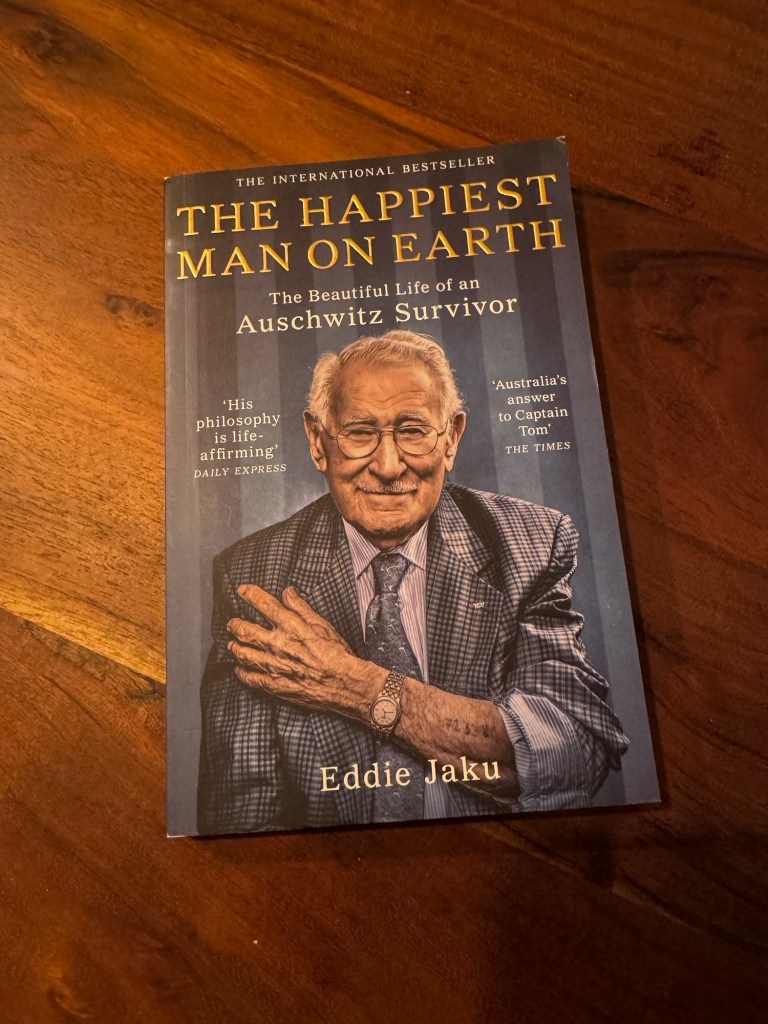
Eddie Jaku was a Holocaust survivor, a prisoner of the concentration camps of Buchenwald and Auschwitz.
His book is an account of his childhood just after the end of the first world war in Leipzig, of the experiences of his family during the Third Reich and of his life after his rescue, now 80 years ago.
This is not an easy read…
Very much like Fritz Dörries, Eddie Jaku is taking you by the hand on a journey through his life. A life that is starting as normal and as trivial as that of many children of a well educated, middle class family in the 1920th. But it is a life, that gradually descends into a perpetual nightmare, which makes living in the Siberian winter surrounded by hungry predators sound reasonably comfortable.
At a very early stage, Eddie’s family is acutely aware of the threat they are facing and they are resourceful and well connected.
It includes that when Eddie is no longer allowed to attend his school, they change his identity and send him to Tuttlingen, a town hundreds of kilometres away from Leipzig. Here Eddie starts an apprenticeship as a tool maker.
Even today, Tuttlingen in the Southwest of Germany is regarded as a center for medical engineering and instrument making. I visited the place several times to attend ultrasound courses or to collect equipment for my own clinic.
Eddie, despite being only 13 years old, understands that under no circumstances can he reveal his real identity. He is not allowed to return home and only in very rare occasions, he can make a phone call to his parents from a public phone box.
The plan is working and he is finishing his apprenticeship as the best of his class, but eventually events are catching up with him and with his whole family….
What sustains Eddie through the ordeal that then unfolds are three things :
- The skillset and knowledge he had acquired over the preceding years, which at numerous occasions save his life.
- The few, but important friendships he forms with fellow prisoners.
- An unbreakable will to live, even when faced with the most despicable acts of cruelty and not accepting “No” for an answer
Against all odds Eddie not only survives, but despite having seen what men can do to their fellow human beings, he not only rebuilds his life, but he uses the evil he has witnessed, to appreciate even more every small and seemingly trivial thing that a family, friendship and the life in a free and equal society can offer.
What a humbling experience to be able to benefit from wisdom of these two remarkable men….
 The Blue Vet Diary