
Senhora Silva might not have been much taller than five feet, but she was running a “tight ship” in her little supermarket on a small Balsa wood float, on the Parana do Mamori, one of the many contributories to the Amazon just South of Manaus.


Together with Josef and João, my companions, we had spent the previous night sleeping in hammocks in the middle of the rainforest.
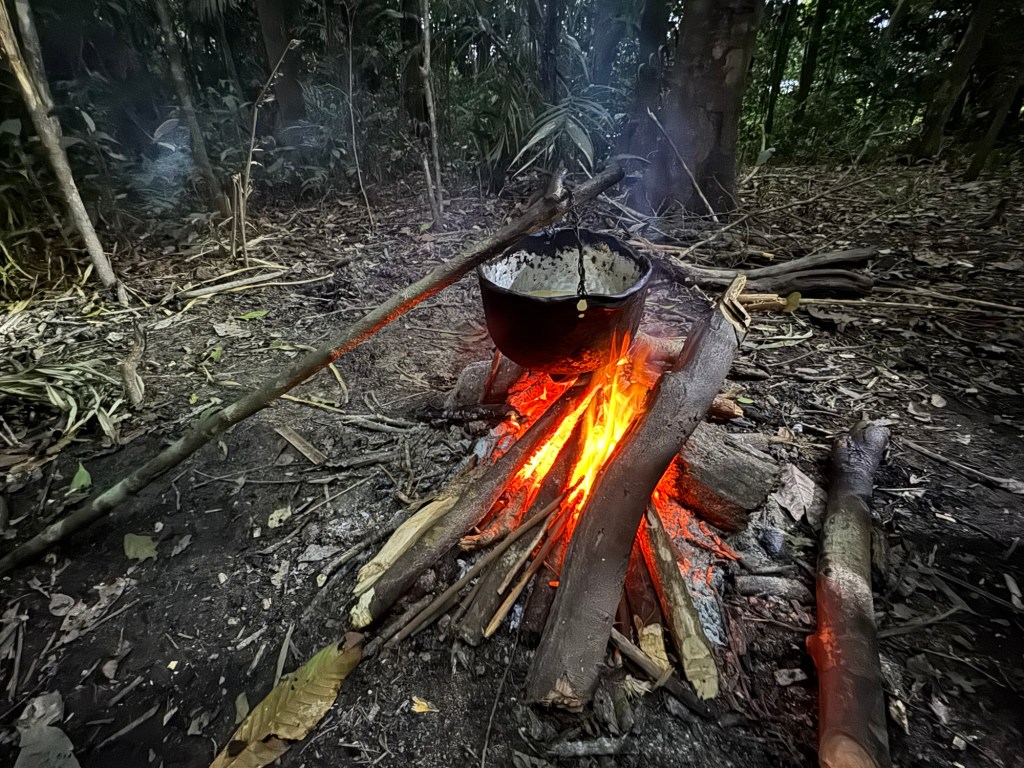
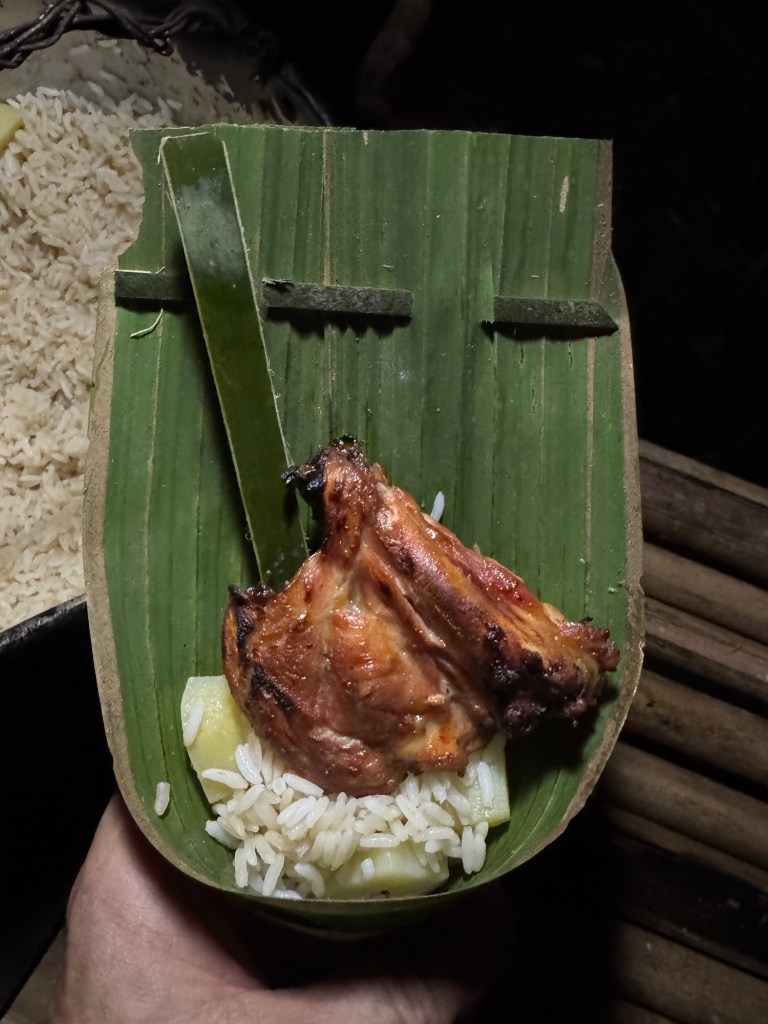
Helped by a surprisingly good campfire meal and a few cans of cold Brahma beer, I had – against my expectation – managed to find a few moments of sleep, despite the unusual sleeping position, the occasional mosquito that had still managed to get inside the mosquito net and despite the sounds of the jungle, caused by cicadas, tree frogs, tropical birds, howler monkeys and by occasional movements on the forest floor, which were ideally not further investigated.
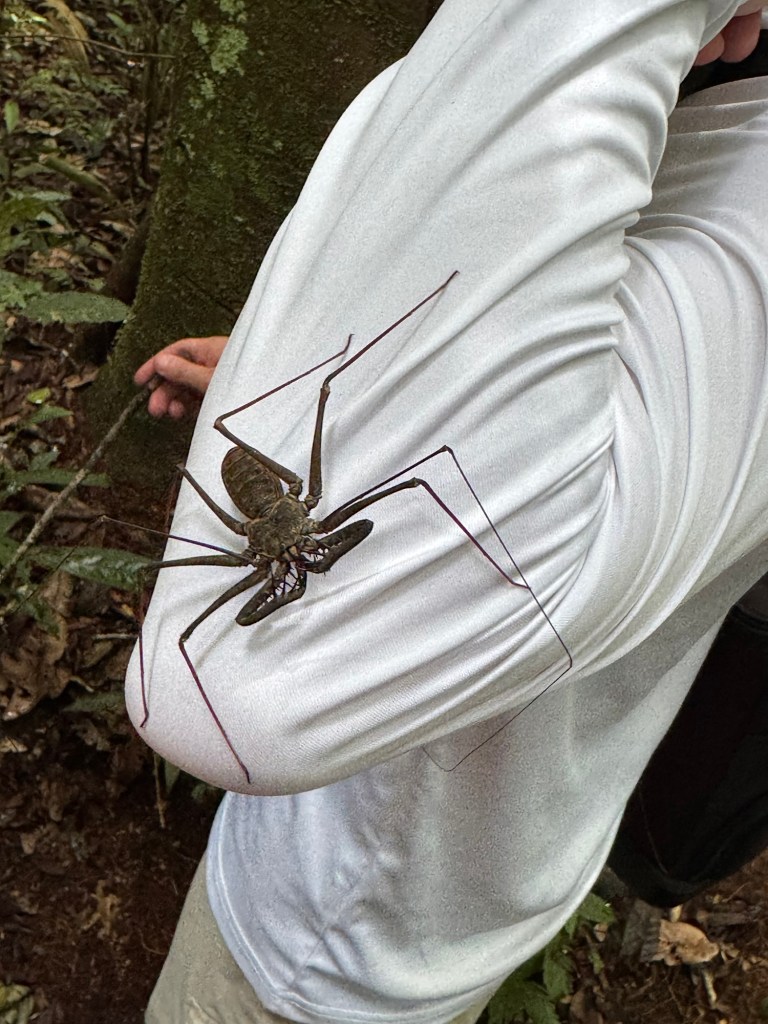

Falling out of the hammock once in the middle of the night, very much to the amusement of my fellow travellers, had not added to the recovery a good night’s sleep should normally provide.
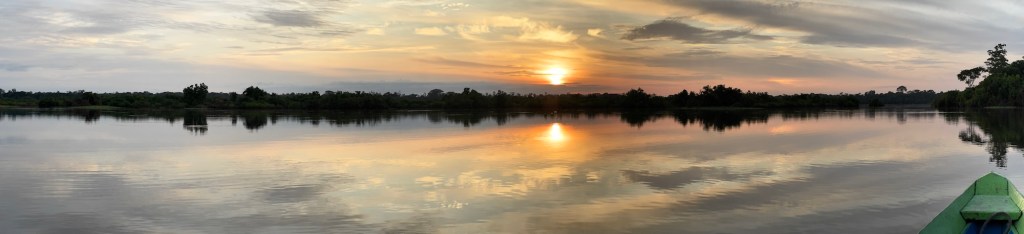
Shortly after sun rise we had broken camp and had continued to explore the nearby Ipanema lake and the shores of the adjacent river.

Senhora Silva’s little store was usually passed during these outings and especially when the heat in the middle of the day started to become unbearable, a brief stop for a cold drink was a must.
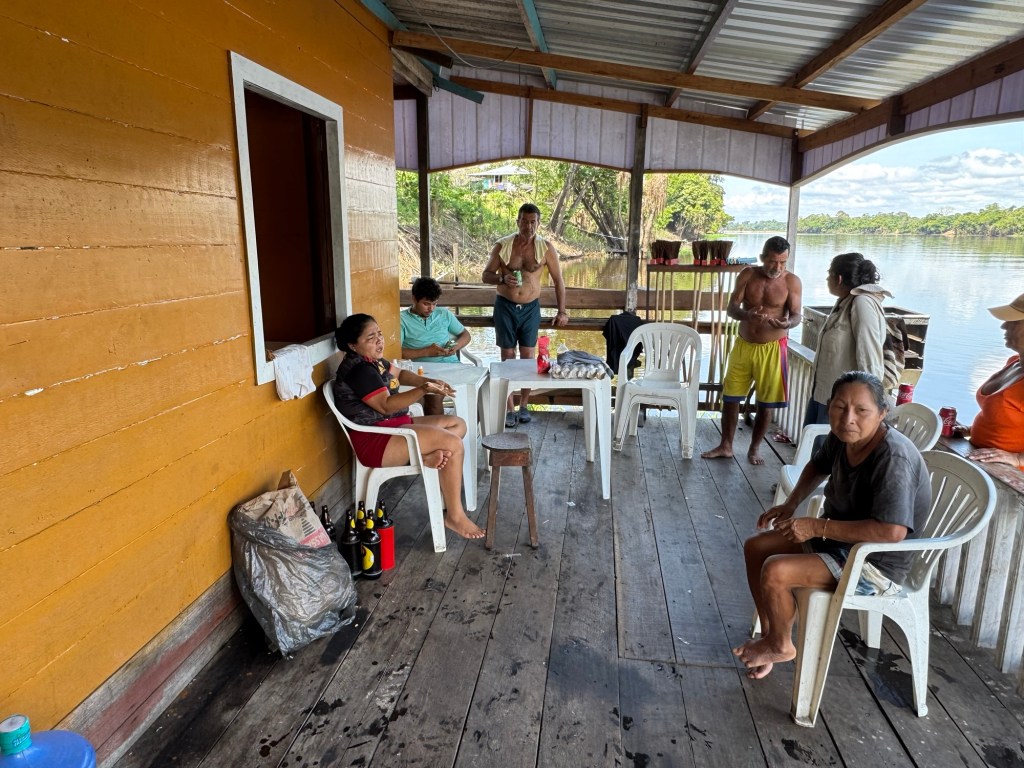
Most of the local riverside residents, who lived far apart from one another, made once a day their appearance here as well, both to have a chat and to stock up on Camelinho, a headache invoking, cheap Cachaça variety, that for many seemed to make the life in the jungle just about bearable.
At the Supermarket they were all welcome, but there was one single, all important rule: under no circumstances was credit given, especially when it involved the sale of alcohol.
This posed a problem for me, as I had not taken any cash with me into the jungle.
“No problem ” said Josef, “just pay by card !”
And sure enough, deep in the amazon, due to a Starlink connection, even in Senhora Silva’s simple shop, I could make a contactless credit card transaction for an ice cold beer at less than a pound including the 5% added, as it was a credit and not a debit card.
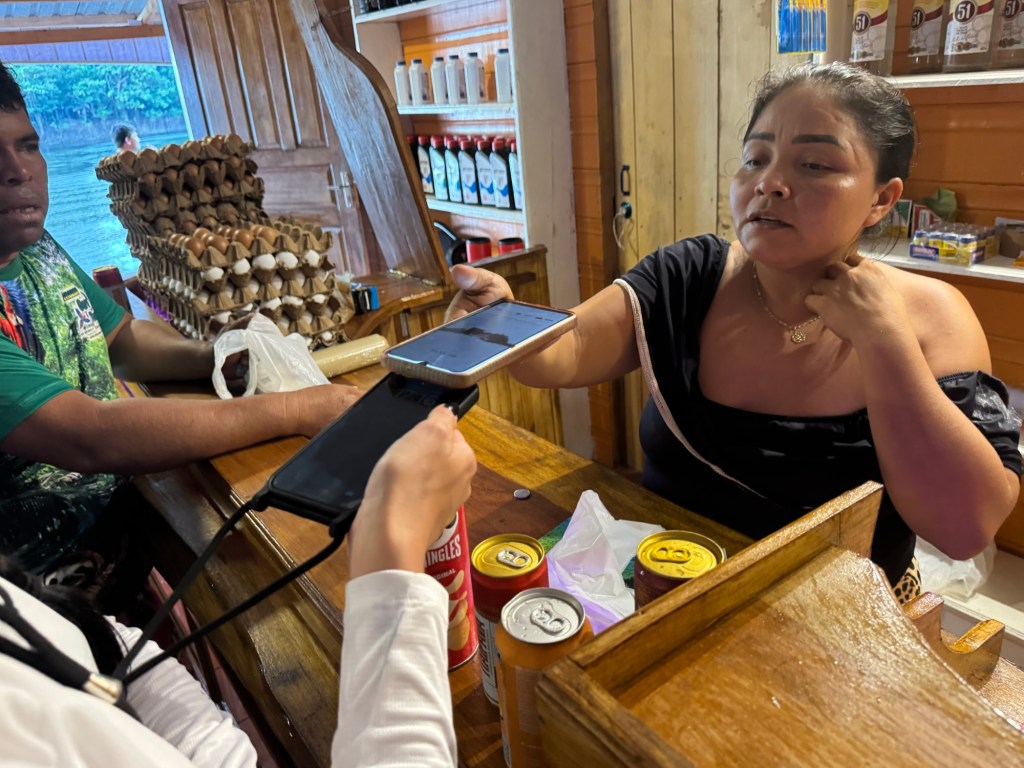
As it turned out, the Senhora in fact preferred card payments, as it reduced the risk of her getting robbed.
A further tried and tested crime prevention measure was her male Rottweiler, that while locked away during the day, had the free run of the landing at night. The dog was renowned in the area for just tolerating the Senhora and her teenage son. Taking into consideration her small size, the fact that I had no equipment with me and that I didn’t speak any Portuguese, I kindly declined her offer to take a closer look at the animal….
Back at the lodge I caught up with Milos and Hobo, some fellow travellers from Poland, and I mentioned to them my amazement about the cashless payment option in a remote place like this and how much this was contrasting with my native Germany where still a surprisingly large number of businesses, including many veterinary practices, do not offer this service, insisting on cash payments or direct bank transfers following the issuing of a written invoice.
My Polish friends agreed, but said, that they could go even one better….
On the Copacabana, they had been able to purchase drugs from a dealer with a credit card terminal, that was also used to sell Caipirinhas. The slight downside was, that when they checked later, they found that instead of the 15 RS/2 £ they were supposed to pay, they had been charged 5000 RS/800 £.
Explain that to your credit card company……..

 The Blue Vet Diary