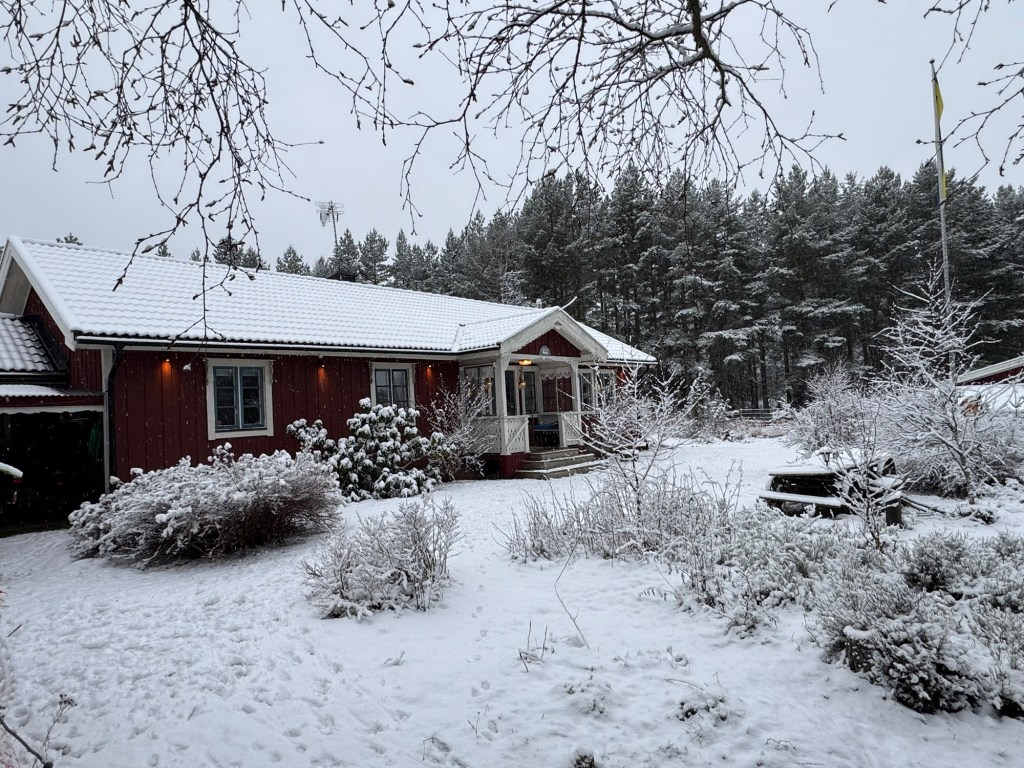
I was sitting in Gunnar’s cottage in the middle of the Swedish countryside. A white layer of snow had covered the landscape outside and there were only a few days left until Christmas.
Thick chunks of elk filet were frying in a pan, next to green beans from last summer’s harvest, while a potato gratin started to show the beginnings of a brown crust in the oven.

With a large glass of Zweigelt in my hand, I was relaxing at the dinner table a few feet away from the kitchen. In the chair next to me, one of the three Norbotn Spitzes that considered this comfortable place their home, just like the two Golden Retrievers that were lower on the pecking order.
Gunnar once again had allowed me to partake for an evening in the Nordic idyll he had created for himself and for his family of canines. While my host was putting the finishing touch on our festive meal, I had time to reflect on the events of the preceding weeks.
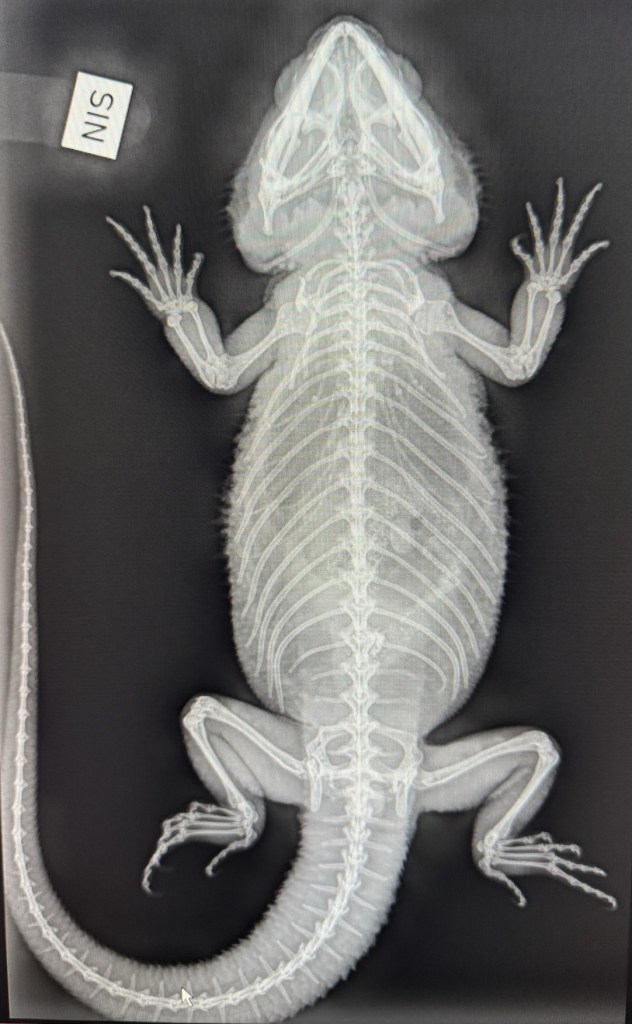
I was nearing the end of a month of clinical work at the Njurunda Veterinary Clinic, which was based near the estuary of a small river, 400 km North of Stockholm.
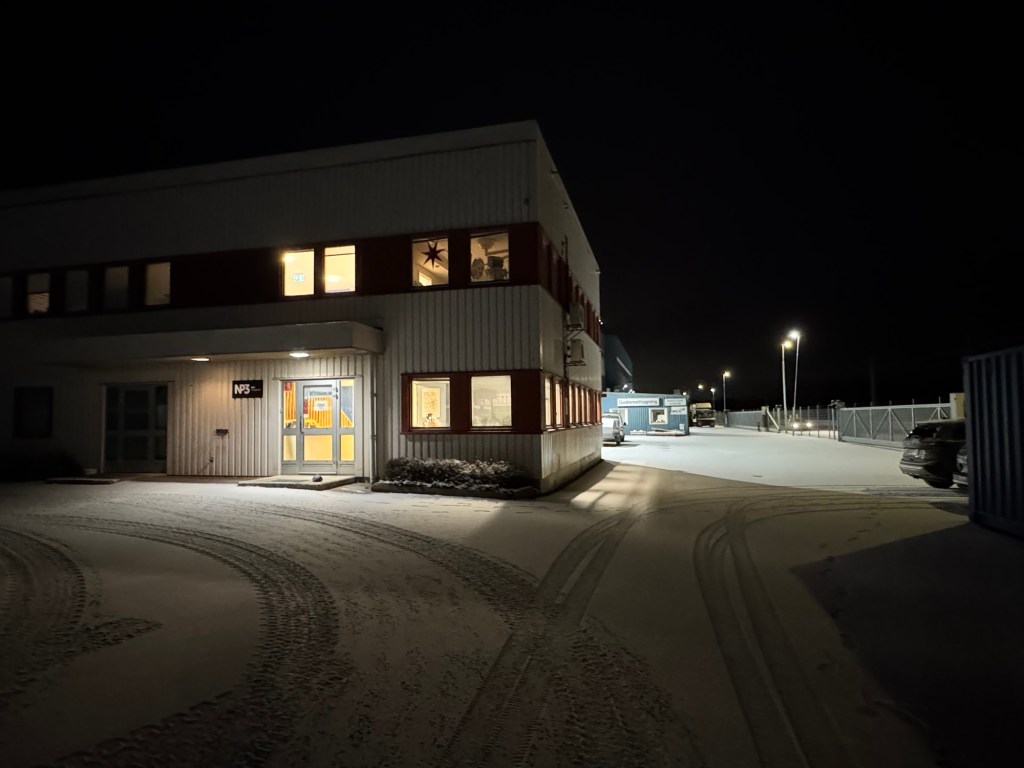
While Viktoria and Carsten, the owners, were enjoying their first holidays since opening their own clinic two years ago, I was left in sole charge of the place, albeit with the support of a very experienced team of veterinary technicians, some of whom I had worked together with some three years ago, when I had first locumed in this part of the country.
At times, the veterinary world can be a small place…..
As so often when starting to work in a different geographic location, with clients that speak a different language and that have a different cultural background, when working with a new team and with a different spectrum of patients, it had been a revelation.
In this part of the world, hunting, fishing, and the great outdoors played a far bigger role than in the urban environment of the outskirts of London or Munich, or in the manicured agricultural settings of Appenzell or on the shores of Lake Constance.

Here Buhund, Lapp Spitz, Drever and the wolflike Jämthund were a common encounter and one of the most usual complaints for these dogs were, next to activity related trauma, an unexplainable loss of general condition, in the majority of cases caused by nothing more than the unfeasible expectations of the owners, yet in occasional cases caused by a range of respiratory conditions, some of which were unknown to me.
One of these was my first encounter with Pneumonyssoides caninum, the canine nasal mite, which despite having been diagnosed all over the Globe, appears to cause any serious clinical issues only in this group of dogs in the Scandinavian countries.
You never stop learning…..
While not that easy to diagnose, the treatment with a common anti-parasitic is thankfully pretty straight forward, but it showed, that in a world without fleas and with long and cold winters, this group of drugs was far less routinely used as in the UK.
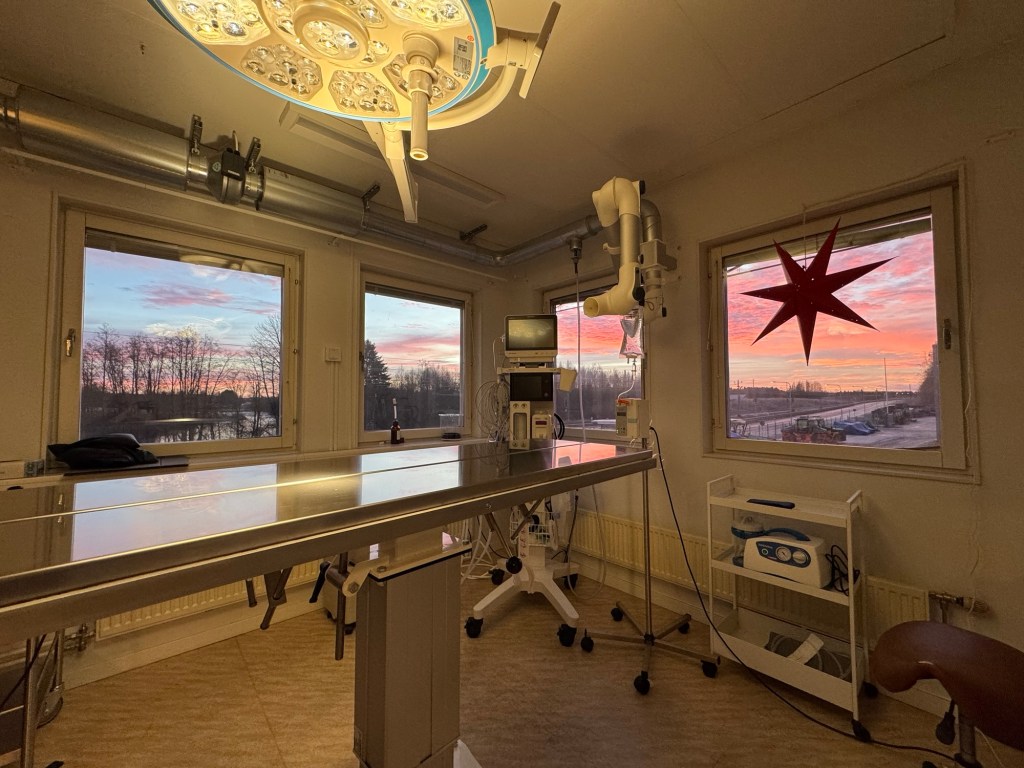
Another revelation was the level of dental care for both dogs and cats at this clinic – it was probably the best I have ever seen.
Not only was there a dedicated room for just dental procedures, but all patients had, following their induction, whole mouth X-Rays taken before any procedures even started. Complete dental charting was obligatory in the same way as regional nerve blocks, if extractions were considered.

All of this was usually done by one of the extremely well-trained nurses, so that my work was often reduced to the preparation of gingival flaps and surgical extractions. If I wouldn’t have insisted on performing the descaling and polishing myself, the team would probably have done it as well (and possibly have done a much better job….).
Part of the set up was a brand new direct digital X-Ray unit, that most human dentists could only dream of working with, as well as a great selection of dental equipment and hand tools that were for once perfectly maintained and sharp, as if just been shipped by the manufacturer. None of the above is ever guaranteed when working as a veterinary locum.
As a result, the dental workload at the clinic was considerable, but extremely rewarding, both for the veterinarian as well as for the patients.
Normally when working in the Nordic countries, it is rare to see any other species than dogs and cats in a small animal practice. This has partially to do with the legal restrictions to keep these animals, but also with the very limited training that veterinary students receive at the vet schools of these countries. As soon as a not carnivorous patient or a patient without a diaphragm is entering a Scandinavian veterinary clinic, the value of a UK or Continental European trained vet increases ten-fold.
Not so at the clinic in Njurunda – a large, well-maintained aquarium in the staff room, as well as medication and dedicated equipment for less common patients, indicated right from the outset, that these smaller patients played a big role here.
No surprise then, that my patient list right from the beginning featured quite a few rabbits that had runny eyes, guinea pigs that were losing weight, rats that were struggling to breeze and reptiles that had stopped to feed.
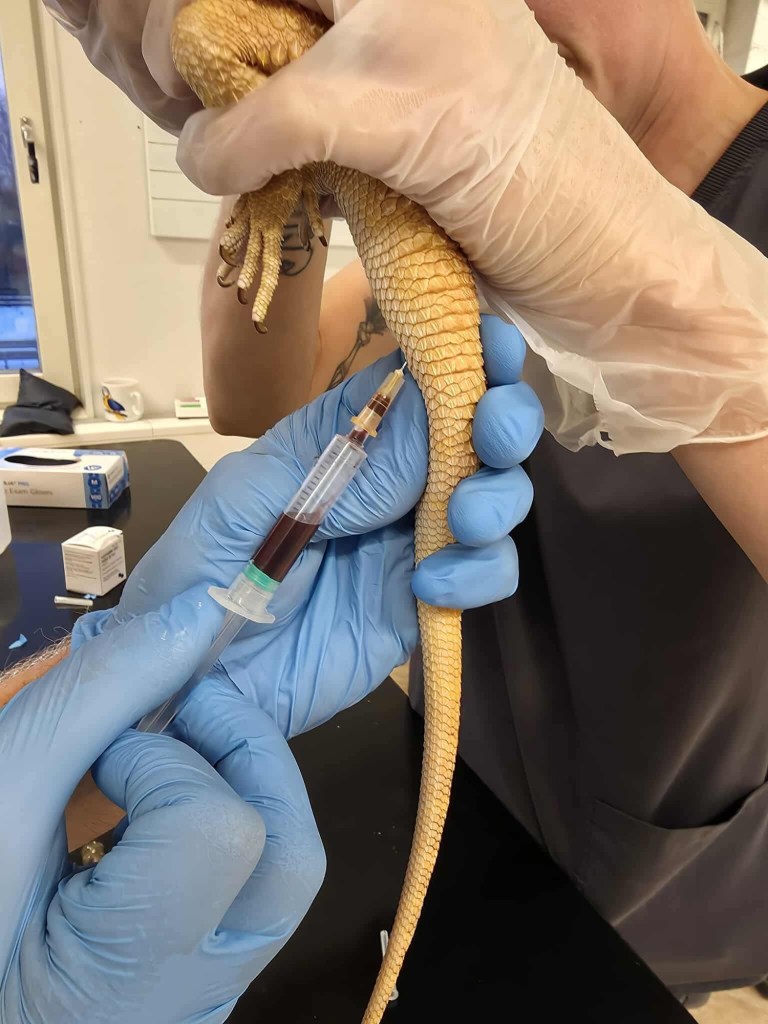
While this might sound like a nightmare scenario to some of my more feline or canine focused colleagues, I have always embraced these less common patients and with the help of an equally enthusiastic nursing team, a well stocked library of text books, as well as with the remote support of veterinary specialist friends from around the world, I found the treatment of these patients always both enriching and in many cases very rewarding.
However, working in the North was not always plain sailing…
While the team helped me with my constant struggle with unfamiliar Swedish words that also Google Translate failed to understand or with the different trade names of commonly used medication, my by far biggest headache was the reduced availability of frequently used drugs and being barred from dispensing all medication that required a prescription.
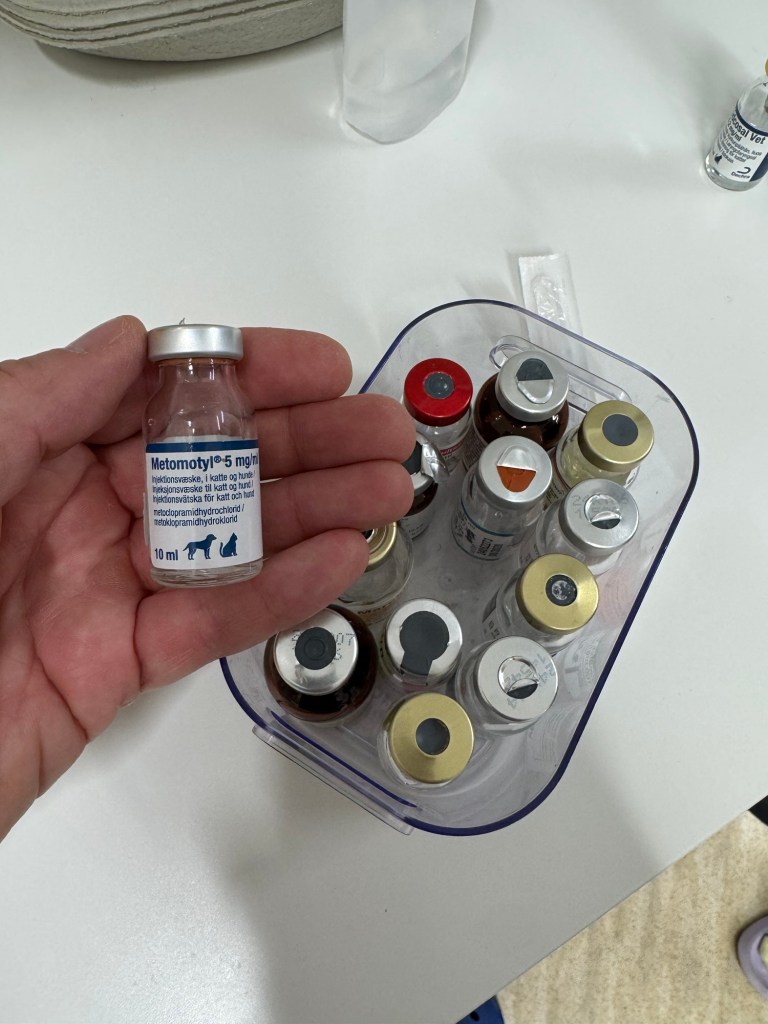
While small quantities could be handed out from the stock the clinic held, any larger quantities had by law to be obtained through the local pharmacies, who – understandably – only kept the most common drugs in very limited amounts.
While this system made absolutely sense to reduce any profit driven, but unnecessary use of antibiotics, it caused unnecessary inconvenience to many pet owners and a reduced level of care to many patients that often had to wait several days for painkillers or for any other medication to address their specific ailments.
Well, ‘You can’t have it all!…’ I thought, when I realised that our festive dinner had now been placed on the table in front of me, demanding all my attention.
The clever little Spitz on the chair next to me couldn’t have agreed more…..
 The Blue Vet Diary