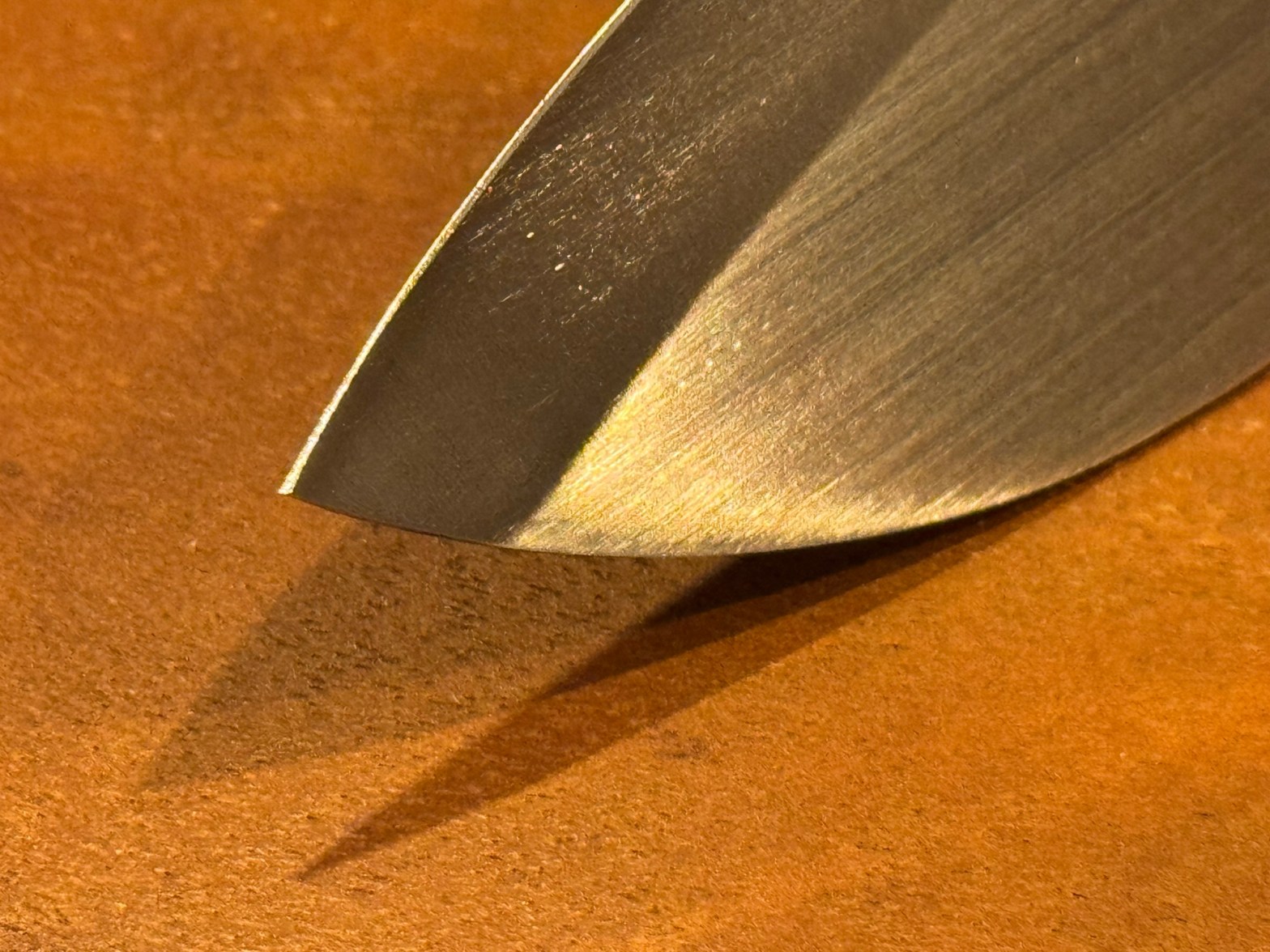
The blade was cutting through the tomato, leaving just a wafer-thin slice on the cutting board, through which you could easily have read the small print of a dodgy loan agreement….
I was in the middle of the rolling landscape of West Sussex, at the house of Julian Hoad, the previous and the current president of BSAVA, the British Small Animal Veterinary Association.
Serving two tenures as the head of this prestigious organisation was as unusual as the man himself. Julian, of course veterinarian by trade, was the embodiment of a real Renaissance men, if there ever was one. Not only an excellent clinician, but also a seasoned climber and mountaineer, a sought-after lecturer and narrator, an expert in identifying wild mushrooms as well as a deft hand in the kitchen, to name just a few of his many talents.
And true to his calling, a delicately seasoned, large pot of lamb curry, in preparation for the next board meeting at the BSAVA head quarter in Gloucester the next day, was simmering on the hob when I entered the house.
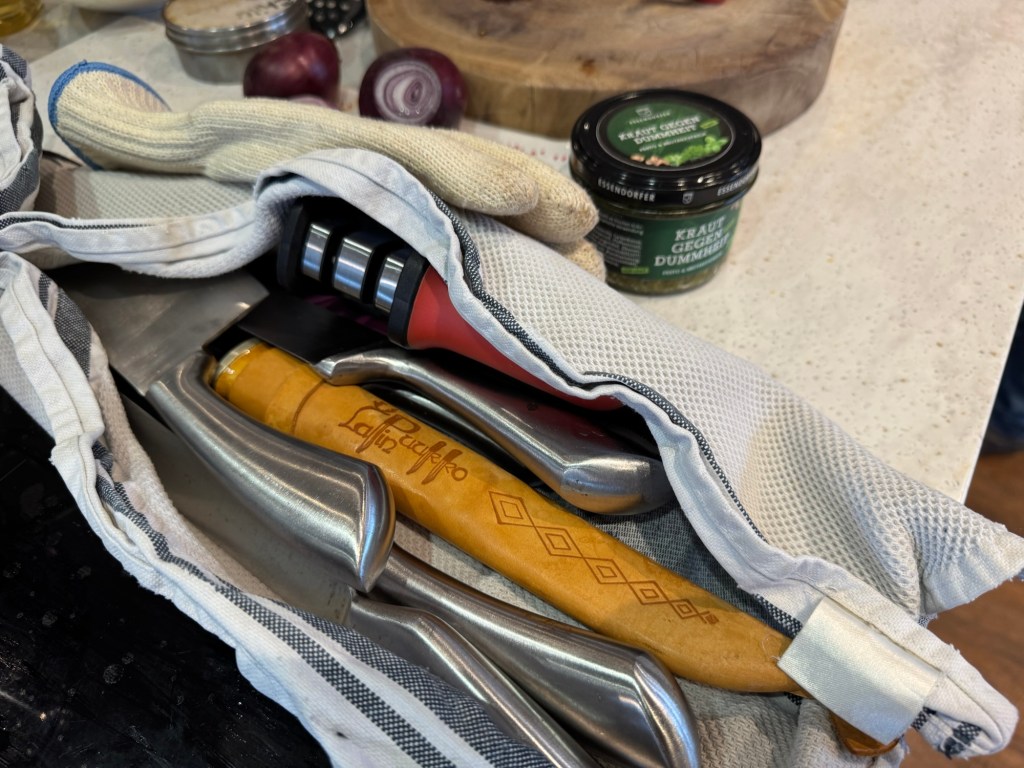
Admittedly, my business that day wasn’t strictly seen a professional one, but more a domestic problem: I had brought with me an odd selection of all the blunt knives I could find in all the drawers, cup boards and storage boxes at home. There was our trusted and much used bread knife, a Finnish hunting knife that I had bought during my first stay in the tundra nearly 40 years ago, a full set of filleting knives, an Asian chopping knife (very much underused) and various other longer and shorter blades, that could easily have landed me in jail, if carried without a valid cause.
Thankfully I had one…
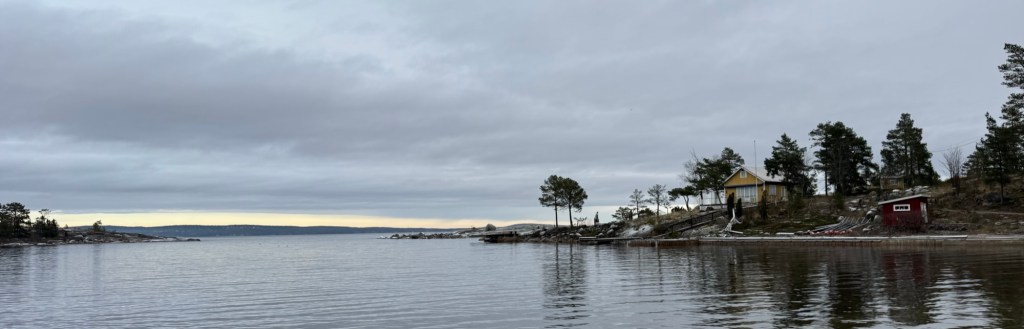
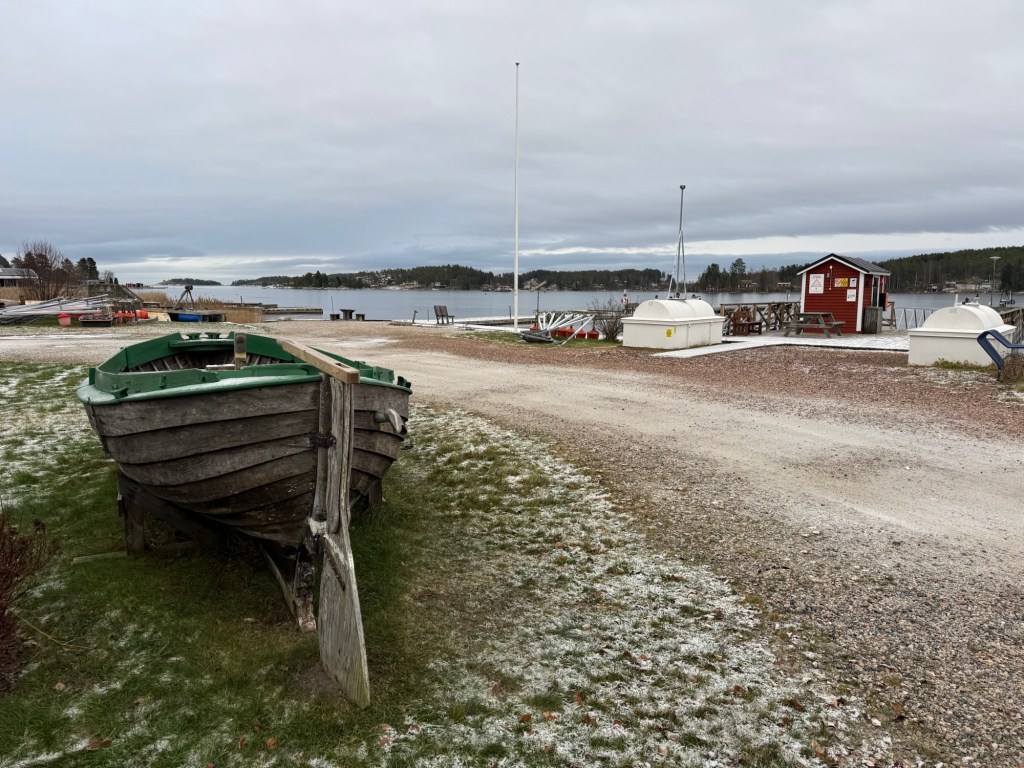
The reason for my call dated back a month when I was hiking along the frozen shores of the Gulf of Bothnia in Northern Sweden. To entertain myself, I had been listening to the latest episodes of Julian’s and Mike Brampton’s podcast “Veterinary Ramblings”. Veering a bit off course from the main subject of the programme, something that wasn’t particularly unusual for this dynamic duo, Julian confessed to one of his other so far not publicly known passions : the sharpening and maintaining of knives and other tools. Clearly a subject that is of equal importance both in a kitchen as well as in a veterinary consulting room or an operating theatre.
When speaking about the delight he got from returning a blunt blade to its initial raiser sharp condition, I thought to myself, what a great reason for paying the man a long overdue visit….
After all, we had been friends and local colleagues for many years, and while we shared a common passion for a cutting edge, I had never mastered the art of sharpening a blade.
As a more surgically leaning member of the profession, I very much value extremely sharp needles, scalpel blades and scissors for my veterinary work.

Not only cause sharp instruments – when used correctly – less pain, but they also allow for less traumatic work, resulting in less post-procedural swelling and much better wound healing. A recent study had shown that a needle used to draw up medicine from a bottle and then used directly on a patient, resulted in a higher pain response than the use of two individual needles. After reading the article, my consumption of hypodermic needles had increased considerably…..
Today most surgical blades are single use items, but the same does not apply to kitchen utensils. And this was, where Julian’s expertise was required.
When my selection of knives was covering half of the work surface of Julian’s kitchen and a selection of sanding stones were removed from their nocturnal water bath, we discussed the findings of the study and to my surprise we not only agreed on the need to change needles immediately after a single use, but it also turned out that we both were very particular about a certain brand of needles, which we both favoured above all others.
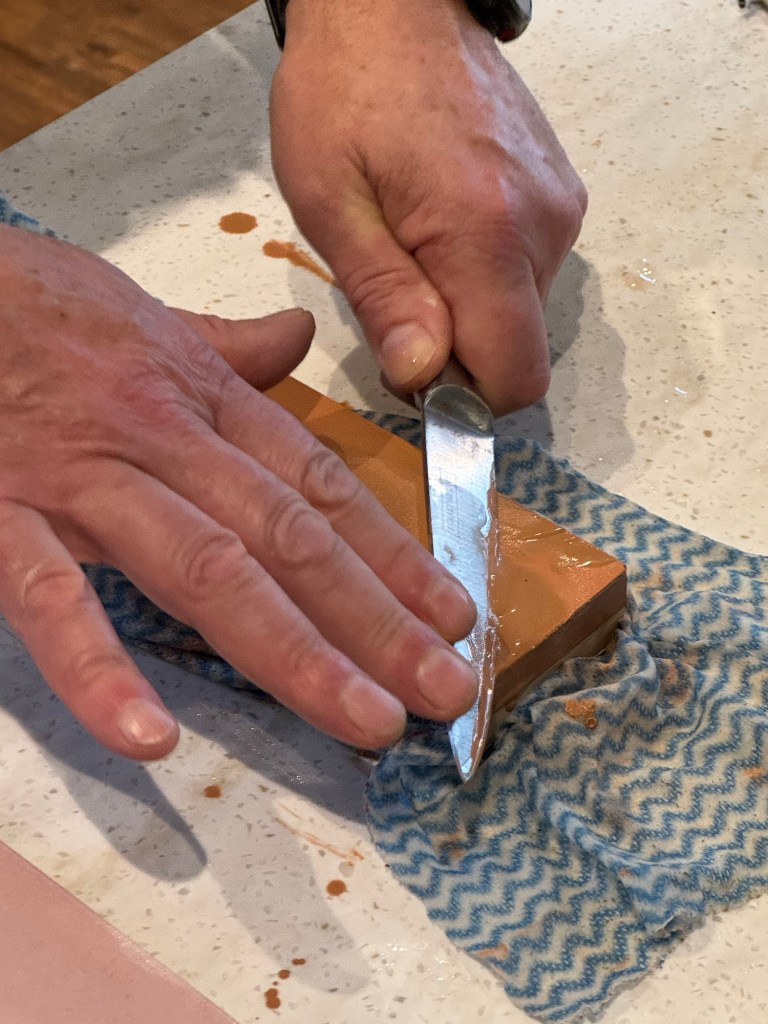
Following the levelling of the sanding stones, we started working on the not too affected blades, by applying them in an angle of 27-degrees first to the stone with the courser grain, before moving to a finer grain. Any impurities of the blades were straightened with a steel.
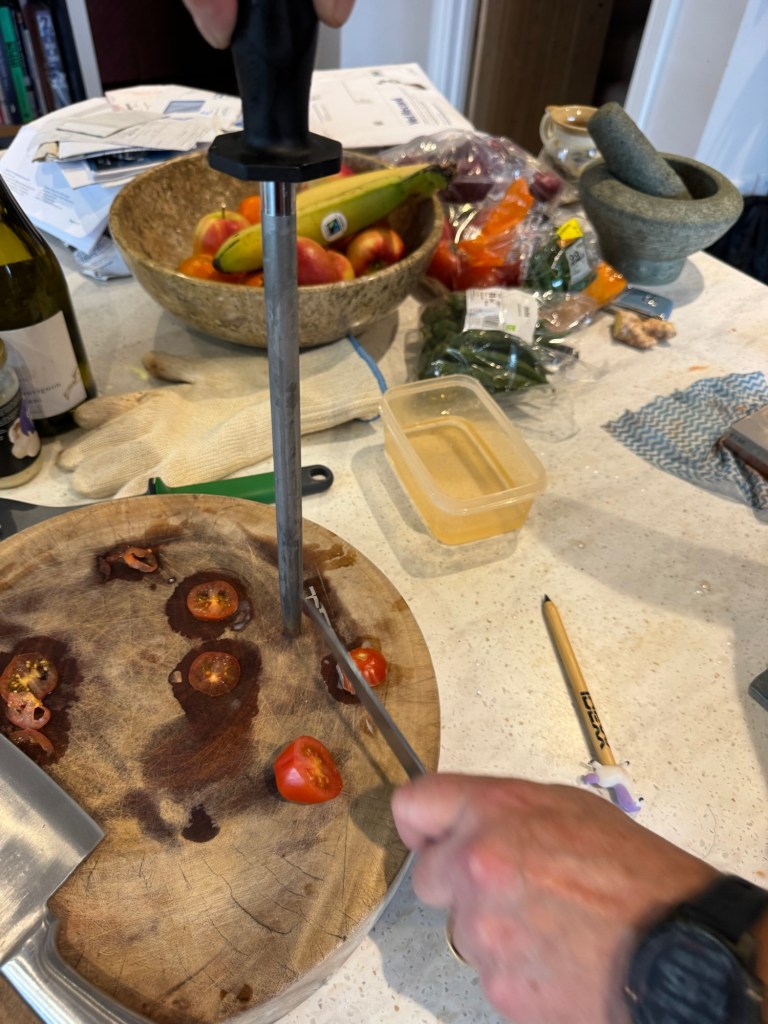
Working the knives forwards and backwards over the stones, lubricated by a thin water film, had a strangely calming effect, very much like the kneading of bread dough – one of Julian’s other passions – and our conversation went from needles to dental hand tools.
Here good material and regular maintenance was equally important. Following my recent work with expensive, well-maintained equipment in the North, I had just decided to purchase my own set of dental luxators and elevators a few days ago. While acquiring them through a German company, it had turned out that the set had not only been designed and manufactured in the UK, but to my utter astonishment, I had learned that the company was even based in Surrey, just a few miles away from my house.
Again we agreed that the world could sometimes feel like a small place, and while I was continuing to work the blades along the sanding stones, Julian gave the finishing touch to the curry, while the delicious flavour of the meat and the spices filled the room.
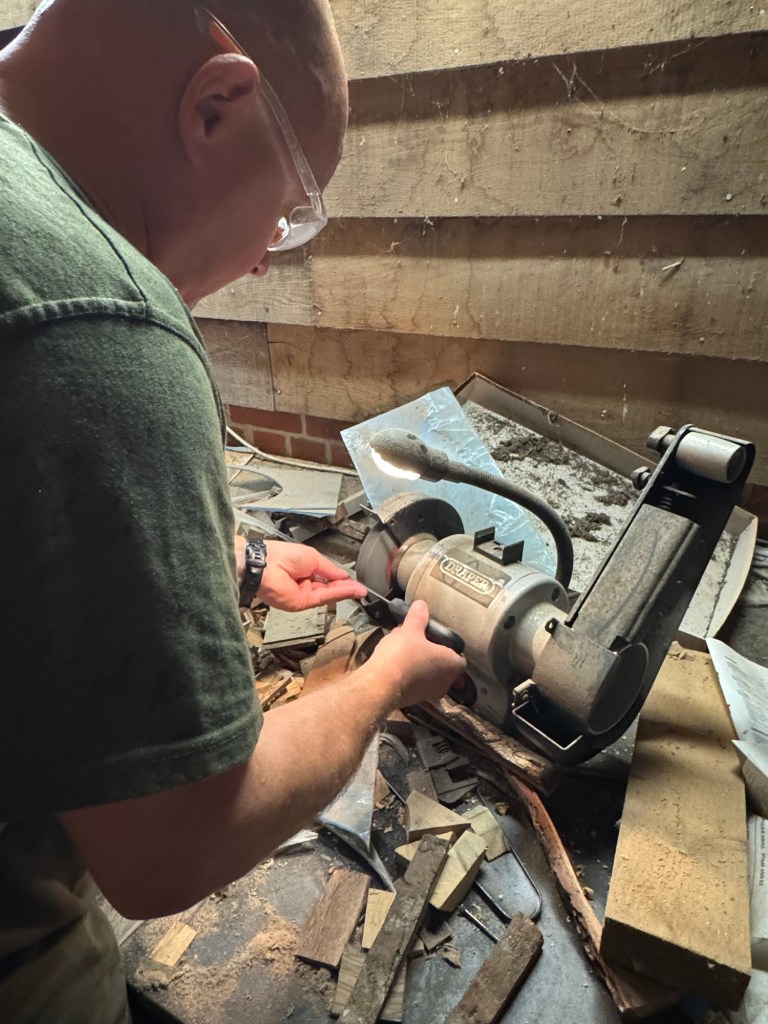
The set of filleting knives was in a particularly sorry state, and it was decided that these blades were beyond out-ironing and sanding. Venturing over the yard through the customary January rain, we entered Julian’s work shop. Here, with the help of an industrial grinder, the badly worn metal received a new surface. As the steel of these knives was of poor quality, this procedure would have to be repeated from time to time, giving the blades a very limited life expectancy.
Again, we saw a parallel between the humble kitchen utensils and the tools of our trade – with time and experience, you are no longer prepared to budget on quality. To enjoy the work you do and to provide your patients with the best possible outcome, you eventually should come to the conclusion, that only the best will do.
Sadly though, as this unavoidably is a question of expense, this might not always be the world you will find yourself in, especially if veterinarians no longer own their place of work, and profit orientated accountants are in charge to make the final purchase decision.
As a result, veterinary life might play out like a blade of inferior steel – requiring consistently arduous work and still resulting in only limited enjoyment.
Imagination, improvisation and as far as that might be possible, adaptation can help to still deliver an acceptable outcome, but not everyone might have both the skills and the tools like Julian, to maintain the cutting edge.
 The Blue Vet Diary