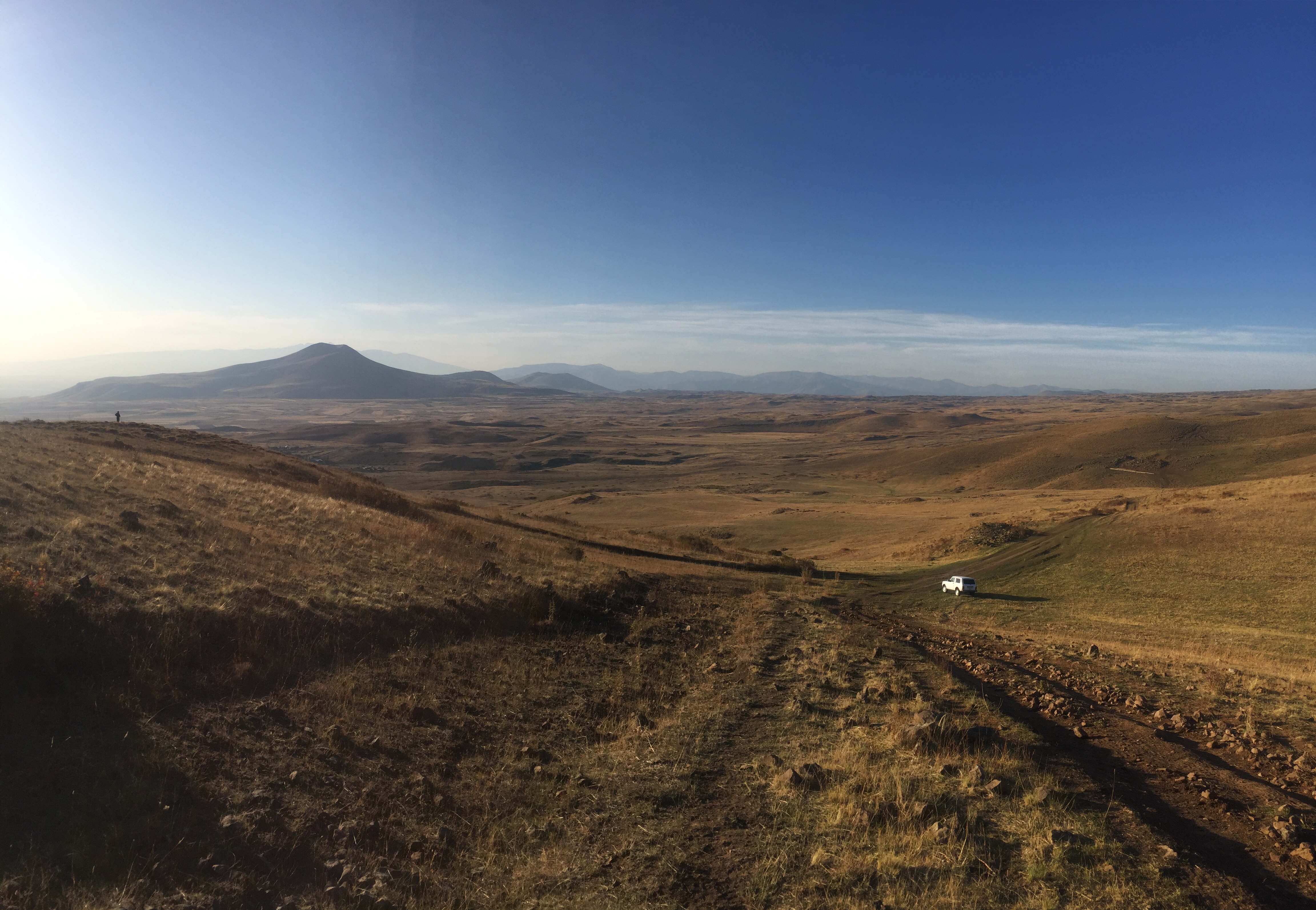
It slowly dawned on me that I was standing in front of the worst car I had every rented, when I realised that there were no seatbelts on the rear seats.
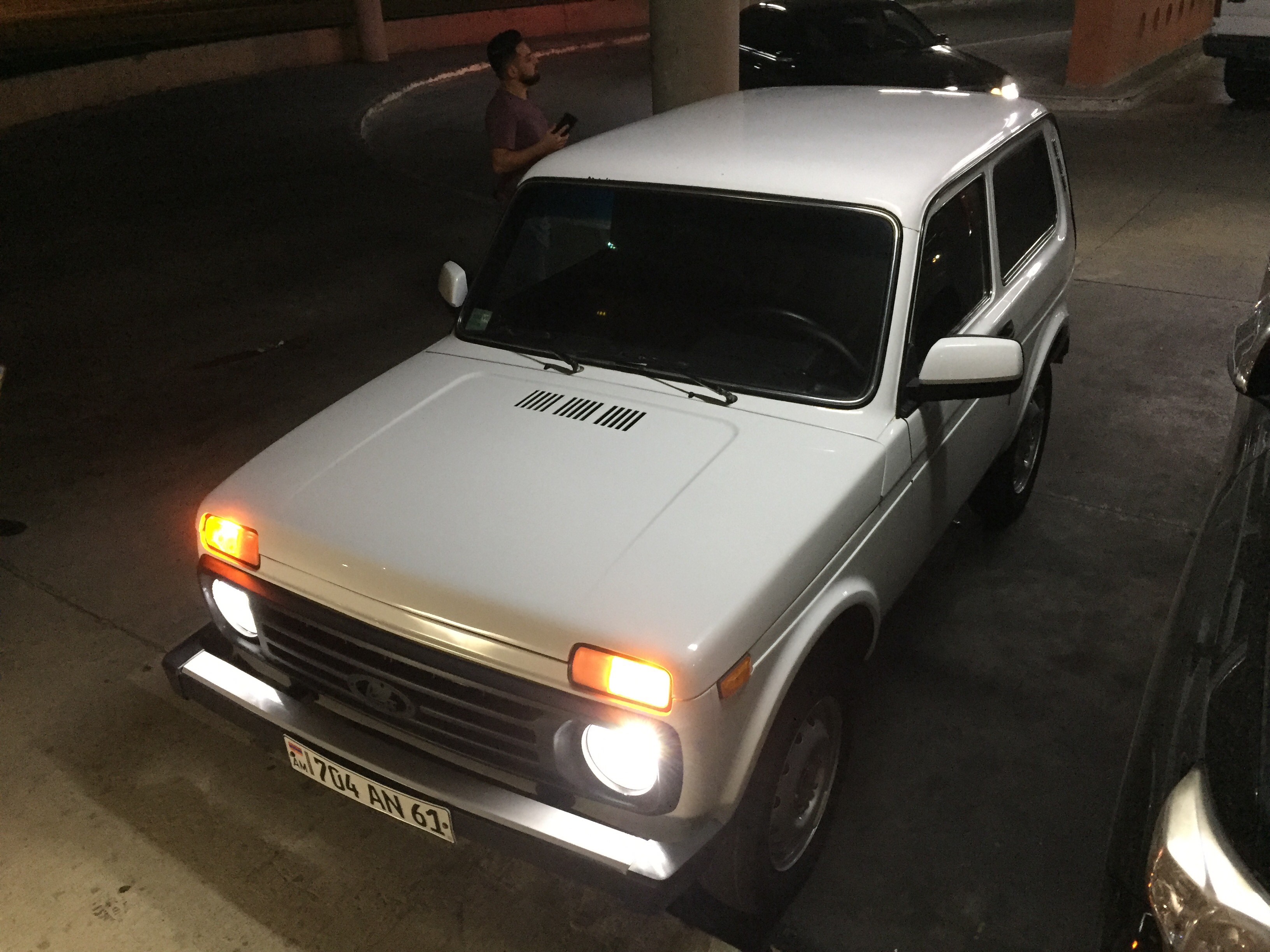
…..and this came on top of electric windows which only worked if the door was been held wide open ( not easy while driving at the same time……) and which unfortunately was necessary, as the heating was going full blast the whole time. In addition to this the brakes were VERY soft – or better: not to be relied on. The fuel gauge was always on half full regardless of the content in the tank, one of the head lights wasn’t working and the driver’s seat was missing a bolt, which meant that it took the best part of half an hour to get it back into place once it had been pushed forward.
So why stick with it ?!….
Because it was a Lada and it (to some degree) was normal for these sort of cars …..
Admittedly this Russian Off-Road dinosaur is now progressively disappearing from the streets of Yerevan, but when you are traveling in the countryside, you will find that you still blend in nicely. You can also assume that every blacksmith will be used to the somewhat limited technology underneath the bonnet and if something breaks, you can be sure that a spare can be sourced from somewhere around the corner.
And in addition to this, it just felt right while travelling through Armenia!

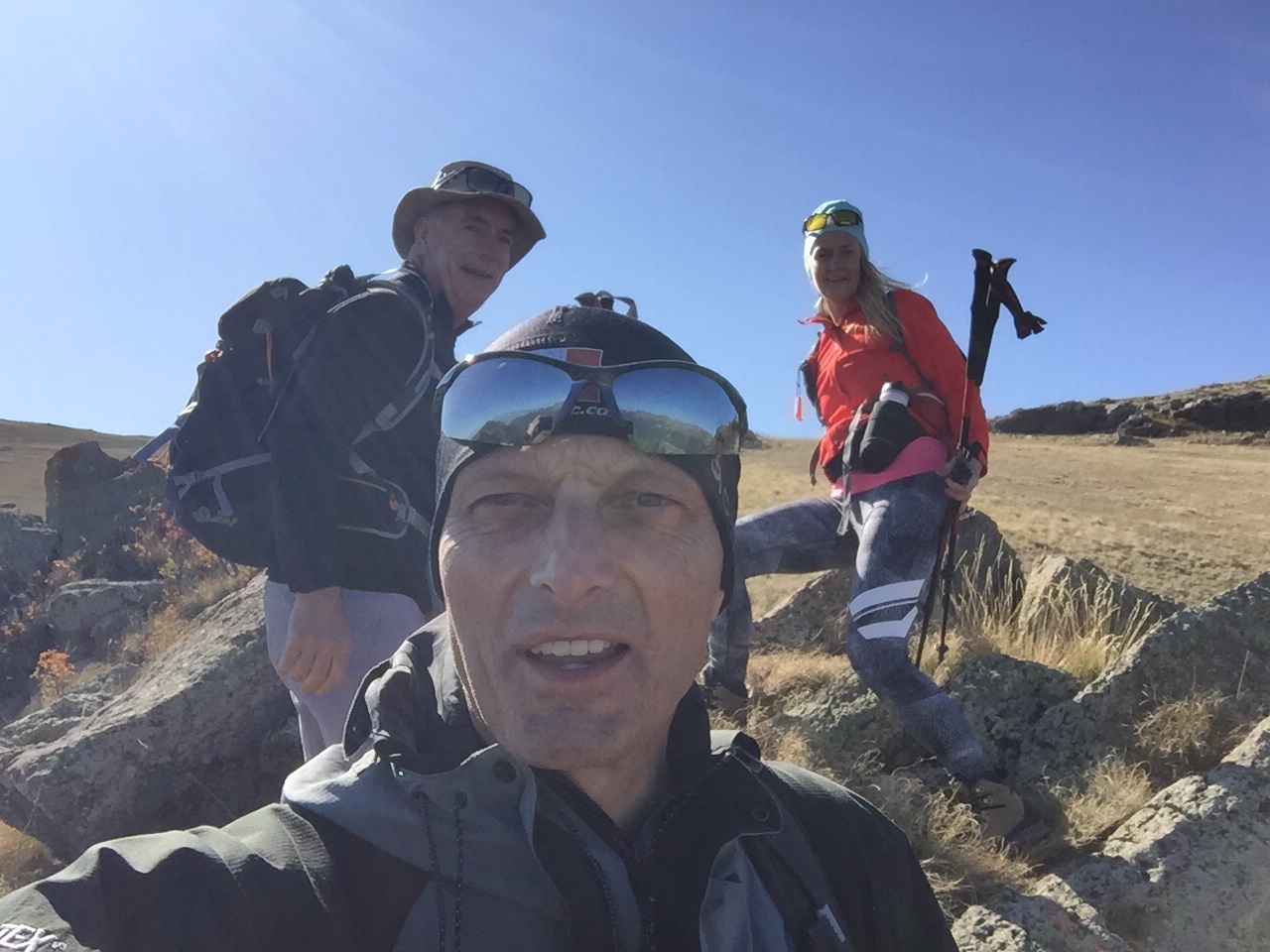
We – that were Ingrid Hang, a veterinary gastro-enterologist from Estonia, Nick Stuart, the former owner of the Vale Veterinary Group in Kidderminster, but these days mainly at home in his sailing boat in the Baltics and I, as the instigator of this trip – were trialing a new concept: bringing veterinary workshops and lectures (and a couple of donated ultrasound machines) to a remote part of Europe and climbing its highest mountain at the same time, or – to be precise – in the days before the CPD event.
And for something like this Armenia was perfect.
After settling in Yerevan and visiting a number of clinics to get a feel for the working conditions of our Armenian colleagues, we took our hiking equipment, a few gallons of water and some emergency phone numbers and fired up the old Lada, to leave Yerevan as early as possible to avoid the rush hour and the need to make use of our remaining millimeters of brake pads.
Getting used to the frequent potholes and to the livestock crossing the road we were first heading North towards Lake Sevan. Halfway between Yerevan and the lake was Mount Tegenis which – with an altitude of nearly 2900m – I had identified as an ideal preparation for the challenge ahead of us.
Both Estonia and the South of England can hardly be considered as alpine locations, so that my main concern was about the fast gain of height and the risk of altitude sickness. Armenia is a land locked country and its capital is already 1000m above sea level. The mountain we were aiming for was already of the same height as Germany’s or Slovenia’s highest peaks and a couple of days later we wanted to be another 1000m higher on the summit of Aragats…..
To make things a bit more challenging it didn’t help that there are no hiking maps for Armenia, nor were there a great number of way signs. Ingrid had experienced these heights so far only in combination with a good working skilift and Nick had broken his ankle just 3 months earlier (but had re-assured us that he was on the mend…). I am not even going into further details about the warnings we had received about the condition of the road lead to the trail head of Aragats or a recent bear attack on the mountain…
Thankfully Tegenis is a very “forgiving” 3000m mountain – covered with grass right to the top, with a lot of low vegetation and no steep elements you can fall down from. In other words : just like most of the “mountains” in Wales, just a bit higher.
Admittedly it wasn’t just “a walk in the park”, but with a few strategic breaks and helped by GPS navigation and pretty good weather we eventually made it to our first Armenian peak.
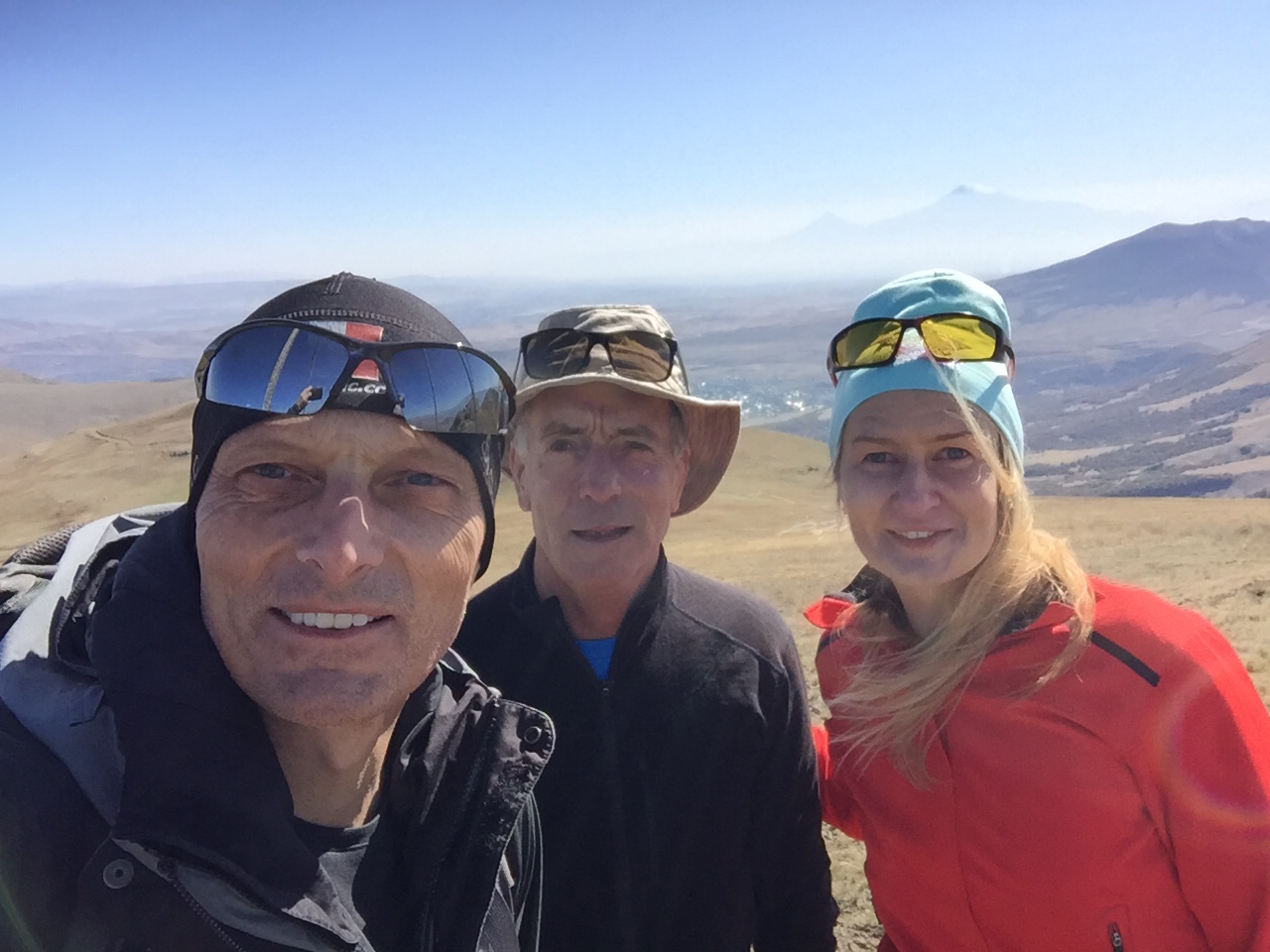
Elated by our first successful encounter with the Armenian outdoors, we headed for our over night stay in Garni, to the East of Yerevan and arrived just in time for the sun setting at the nearby world famous temple.

After a brief visit we had a well deserved sun-downer at one of the panorama terraces enjoying the fading light illuminating the canyon below us and the temple on the hill towering above it.
The next day started with 5 tonnes of grapes and nummerous trays of drying plums in front of our bedrooms…….
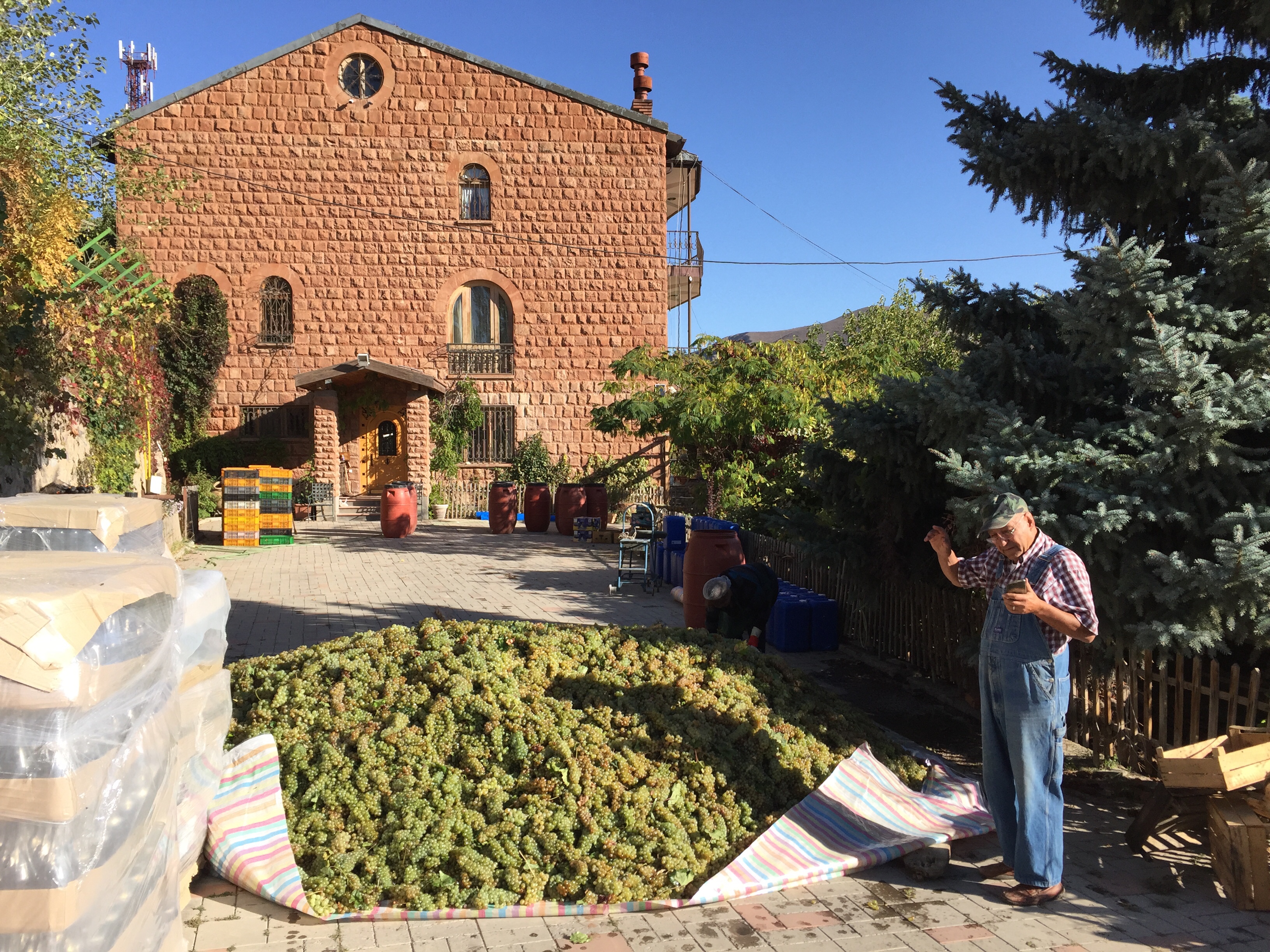
Not an unusual sight considering that our B&B for the night was a working farm run by an amazing diaspora Armenian couple with an American background. The place was famous for its cherry and plum vodka and it also featured a traditional restaurant, a sculpture garden and a large number of domestic animals enjoying themselves in a garden Eden underneath a forest of fruit trees. Understandably we found it difficult to leave this place in a hurry and after checking out a couple of the owner’s dogs and diagnosing my first torn cruciate ligament case in Armenia, we decided to drop our initial plan to scale the top of Mount Azhdahak at 3797m and to limit our efforts to a gentle hike at about 2500m in the foothills of the volcano, which still made for some great photo opportunities.
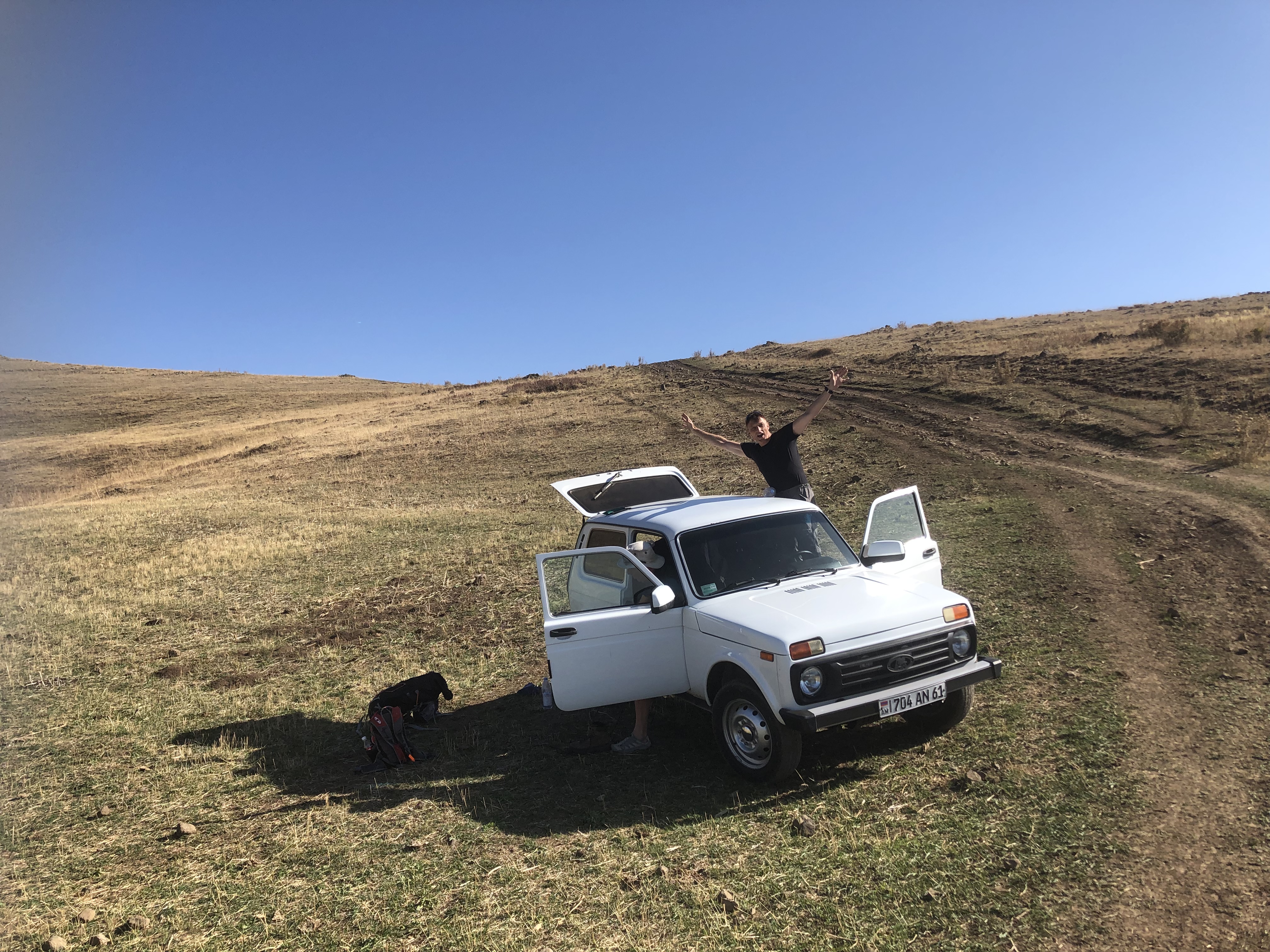
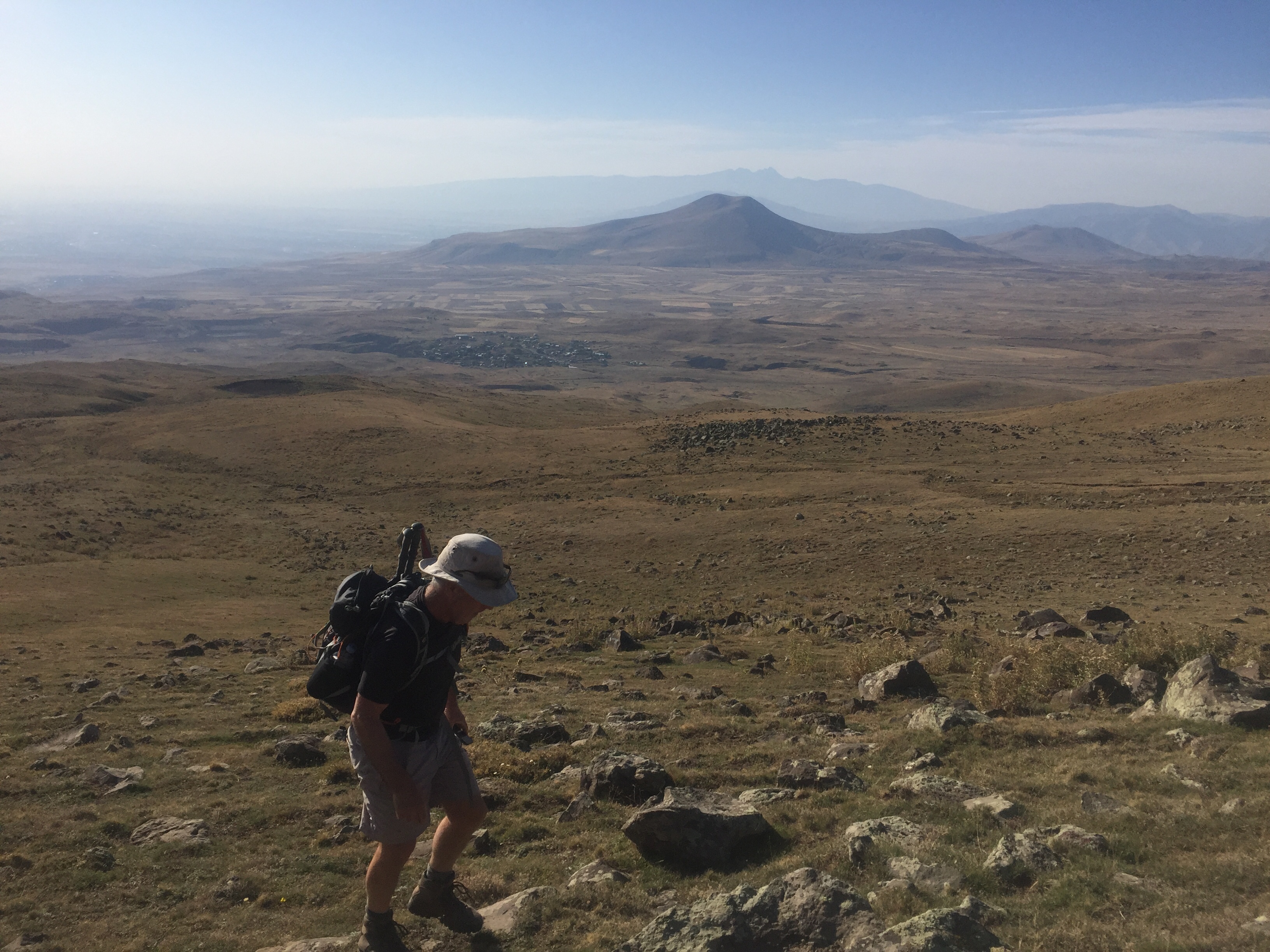
Having put our trusted Lada through its first off-road challenges, we were then heading for our base camp near the South face of Aragats, while the sun was setting over the Lesser Caucasus. After a few miles we came across a herd of cattle that were heading for their homes, with an old man and a young boy on a horse nearby.


It made for a great photo opportunity and after taking a few shots of the cattle in front of the sunset , the old man allowed me to take a shot of them as well. When returning to the others in the waiting car, the old man even invited me to ride the horse, which I politely declined.
What happened next is possibly difficult to understand for some (or most ?) of my readers, but in some way it is the essence of my thinking at this time in my life……
While walking back I thought to myself : “Actually – why not ?!……”
I have never been a rider and I usually prefer to rely on my own two legs, but I can usually hold myself on the back of a horse and in front of me was a ploughed field and the opportunity to ride a horse on the silk road in a beautiful sunset – would I ever get a chance like that again?….
I turned around and a few moments later the imagination had become reality and I was riding into the sunset……
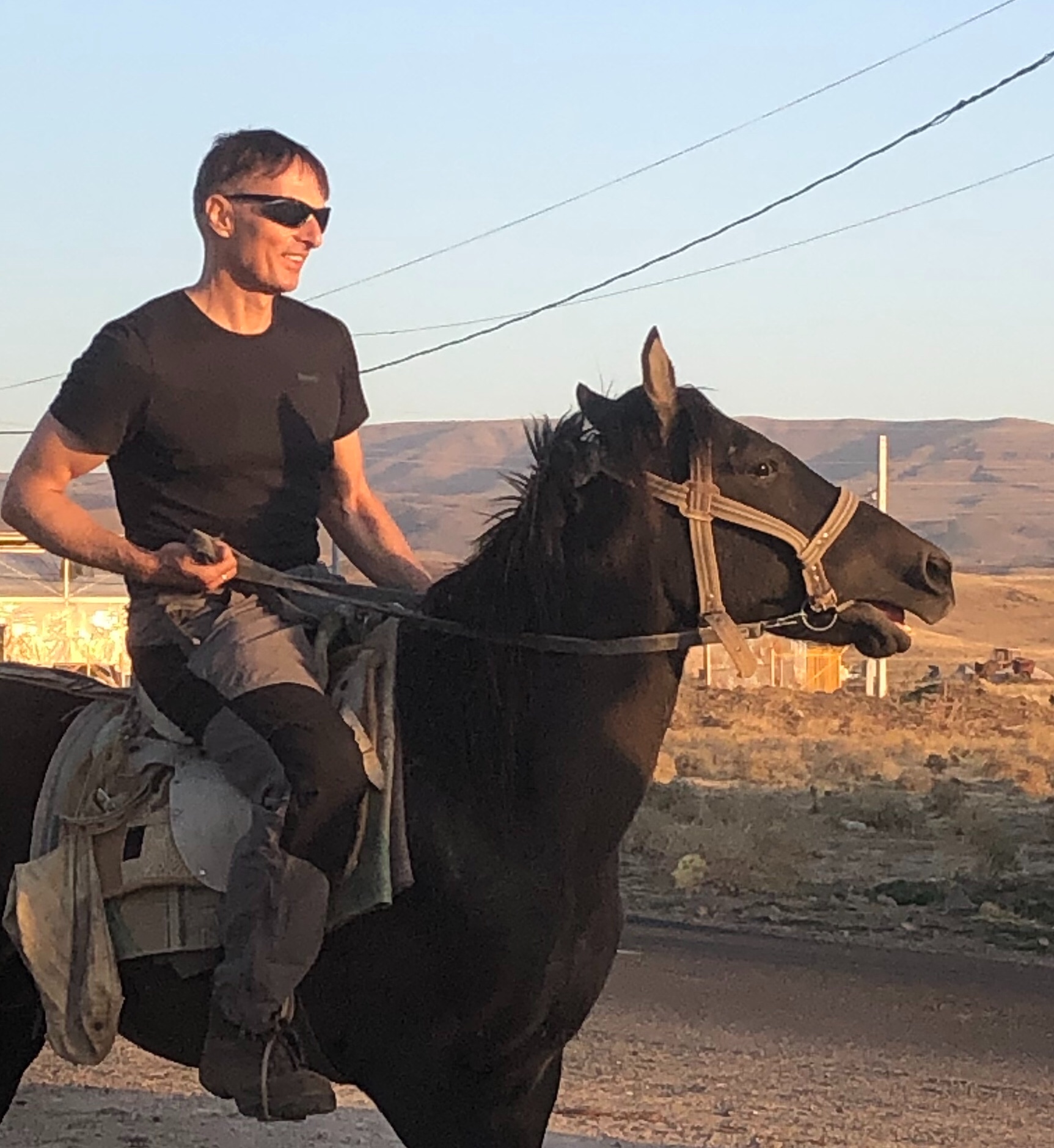
Ok, not very far and not very dramatic and surely somewhat to the surprise and amusement of my fellow travellers, but without falling off or (hopefully) without hurting the horse. When returning my trusted mount, the old man not only refused to accept any payment, he even invited us into his house for a coffee or something stronger. The unbelievable kindness of strangers……..
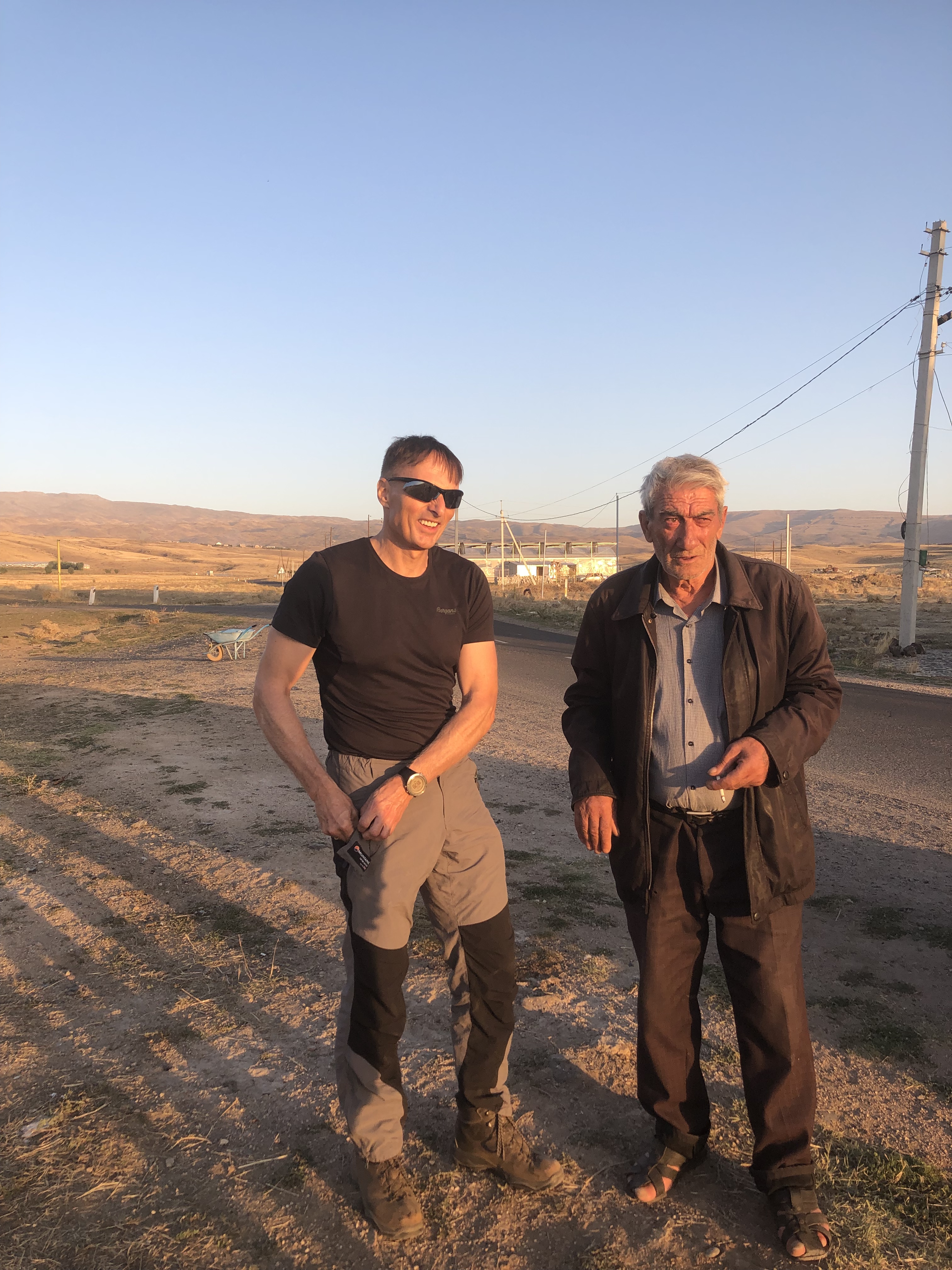
I will always regret that we – with a heavy heart – had to decline his offer, as the light was fading fast and because of the considerable shortcomings of our vehicle, we wanted to limited the driving at night as much as possible.
Much later than planned we arrived at our base camp in Aragatsotn and finished the day with an excellent bottle of red on the terrace in front of our rooms with an unforgettable view of Yerevan and its valley below us.
Shortly after the sun had risen the next day – which was also Ingrid’s birthday – we were for the first time greeted by clouds and some rain. We made a hasty start for the trail head and despite all warnings we progressed well on an all the way tarmacked road without a bear in sight and arrived an hour later at Lake Kari.
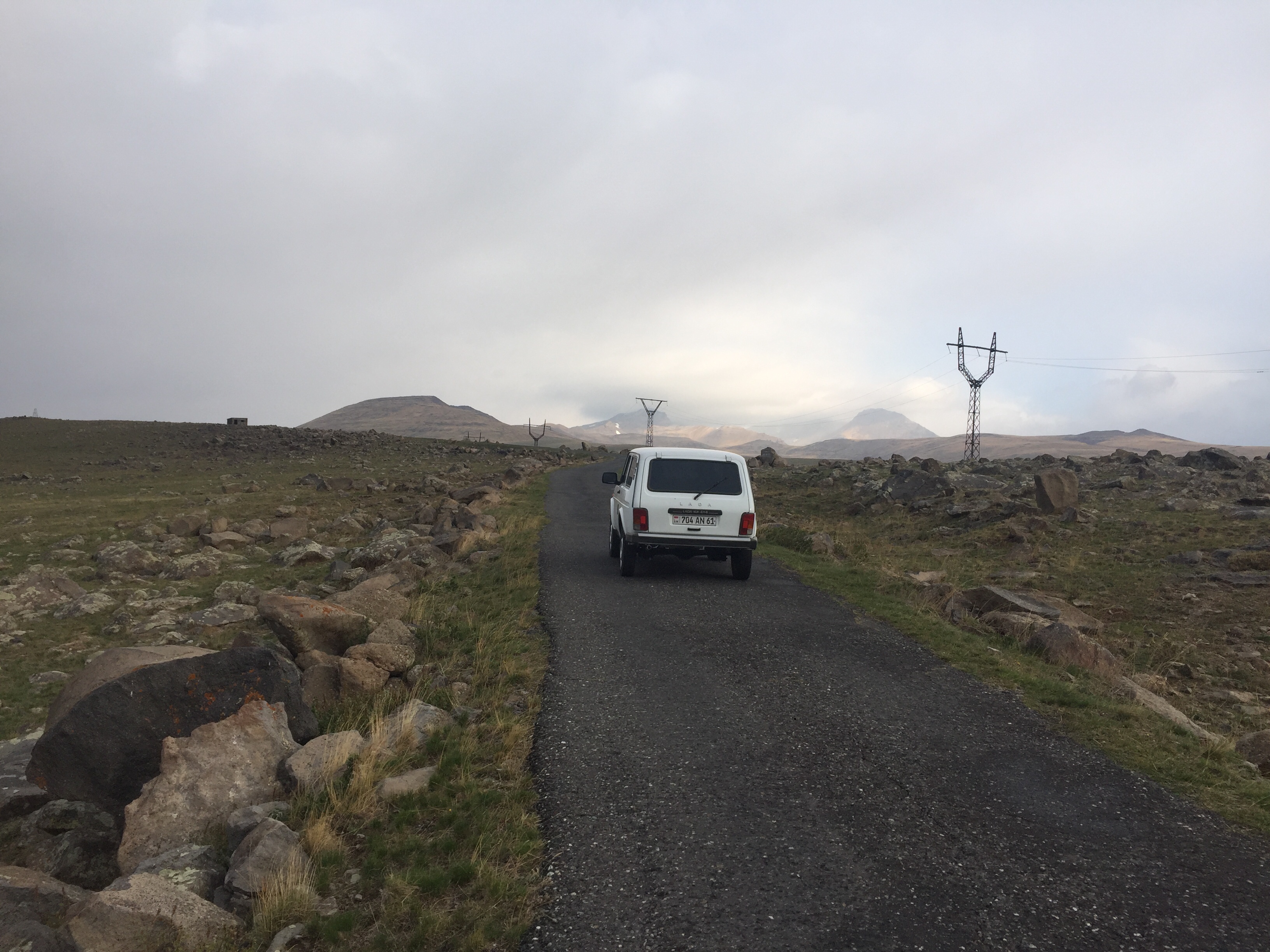

Here however the conditions had deteriorated further, with the temperature just above freezing and with a steady Northerly wind. Right from the start we had to wrap up warm and without any official way markings, we were scouting constantly for signs of an official track. After hiking for a couple of hours this became progressively challenging, when it started to snow and the vision went below 20 meters. Consulting with my GPS it also turned out that we had strayed considerably from the suggested route and we were heading straight for the steepest part of the mountain….. When changing our course was not enough and moral in the team was starting to wear thin, I decided that it was time to get the fun factor back into our trip and I gathered everyone underneath the emergency bivouac which I thankfully carried with me.

It is amazing to see how much fun there is to be had underneath a large plastic bag with a little bit of food, a few jokes, a slight rise of the temperature and without the constant wind…..
Shortly after this break we not only hit the path again, the weather also cleared somewhat and the Southern peak of Aragats was just a few hundred altitude meters ahead of us. Invigorated by the fact that our goal was now in reach, we pressed on and summited just 1/2 hour later with a glorious view of all the four summits of Aragats and the crater in front of us.


After a small sip of champagne ( a bottle had mysteriously found its way into my backpack) to celebrate our achievement and a few photos, we started to descend again and with steadily improving weather conditions we not only made it back without any incidents to the car, but shortly later we were able to celebrate Ingrid’s birthday with a cake, organised by our landlady, and some more champagne and even a brief visit to the – admittedly freezing – swimming pool !

With the expedition concluded successfully, the CPD part of our trip could start…..











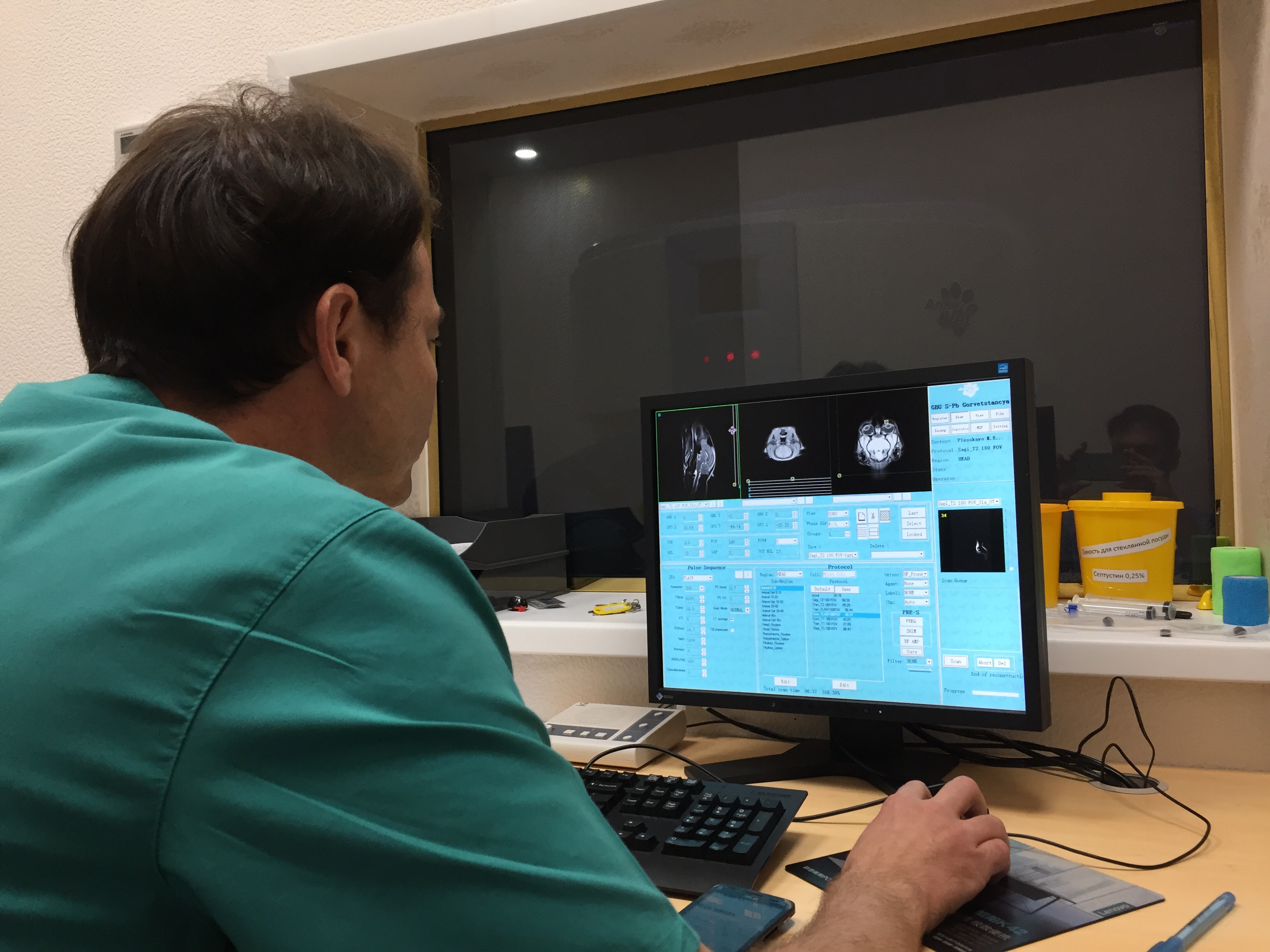
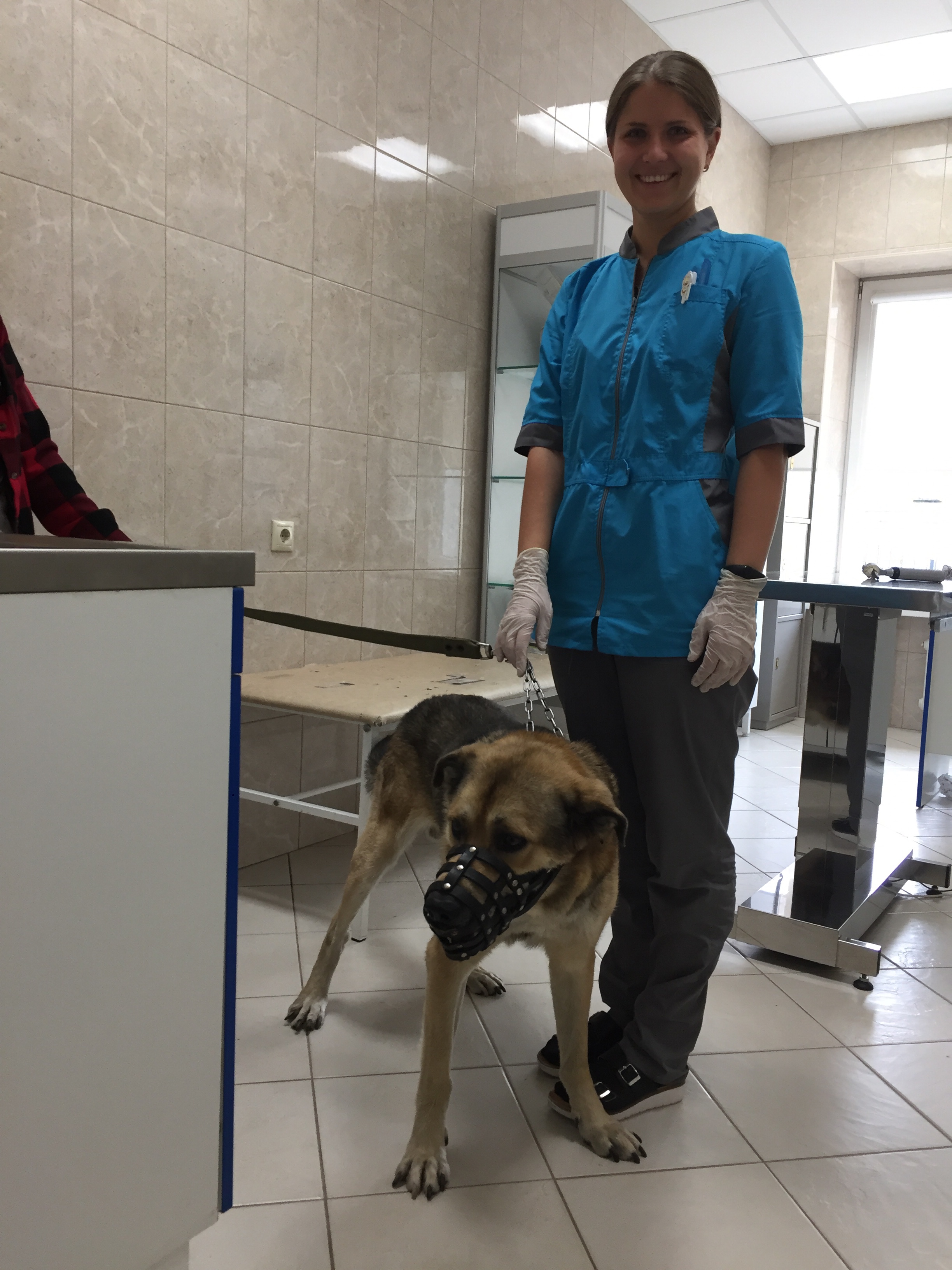 features both an MRI and a CT





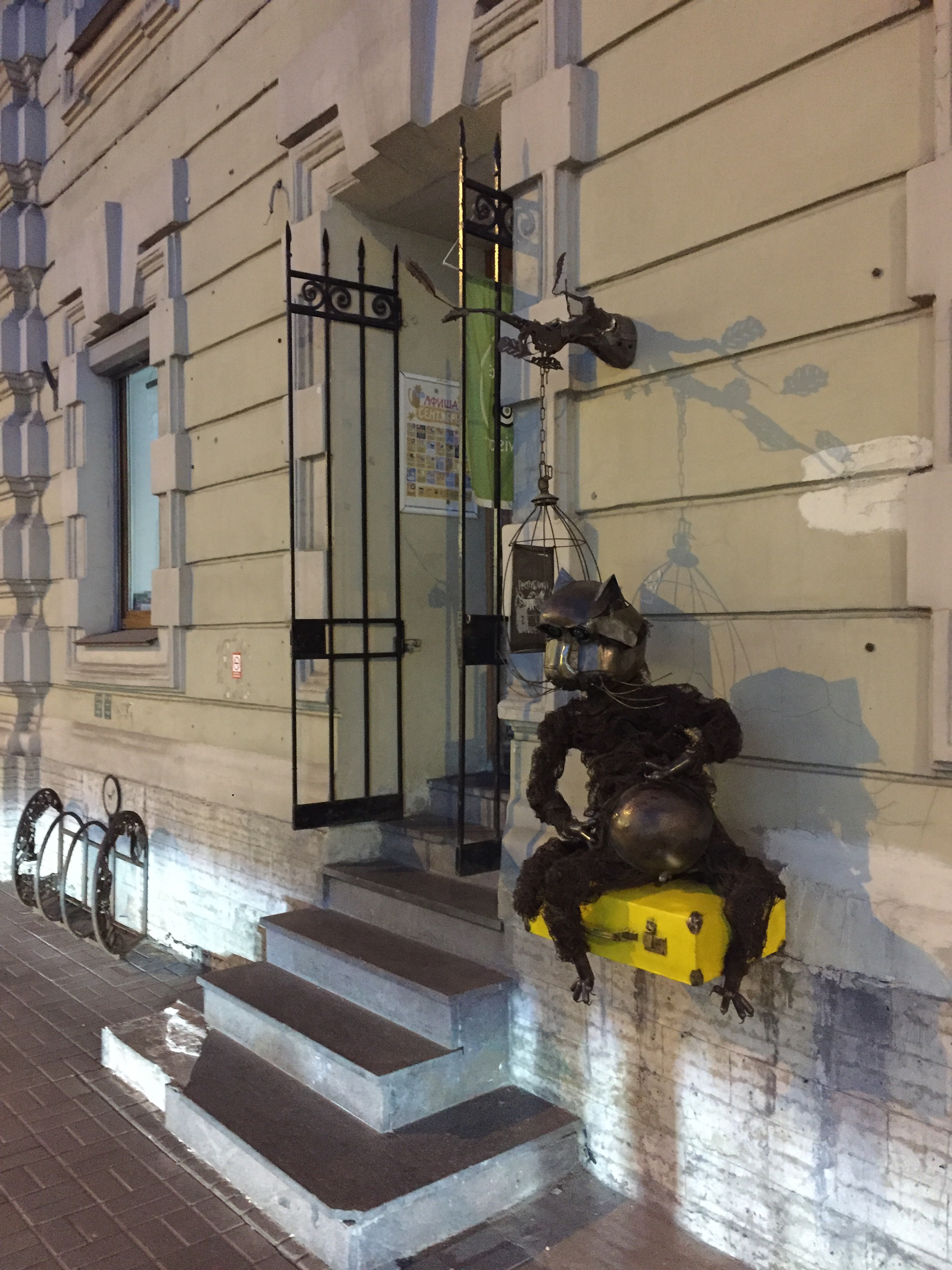
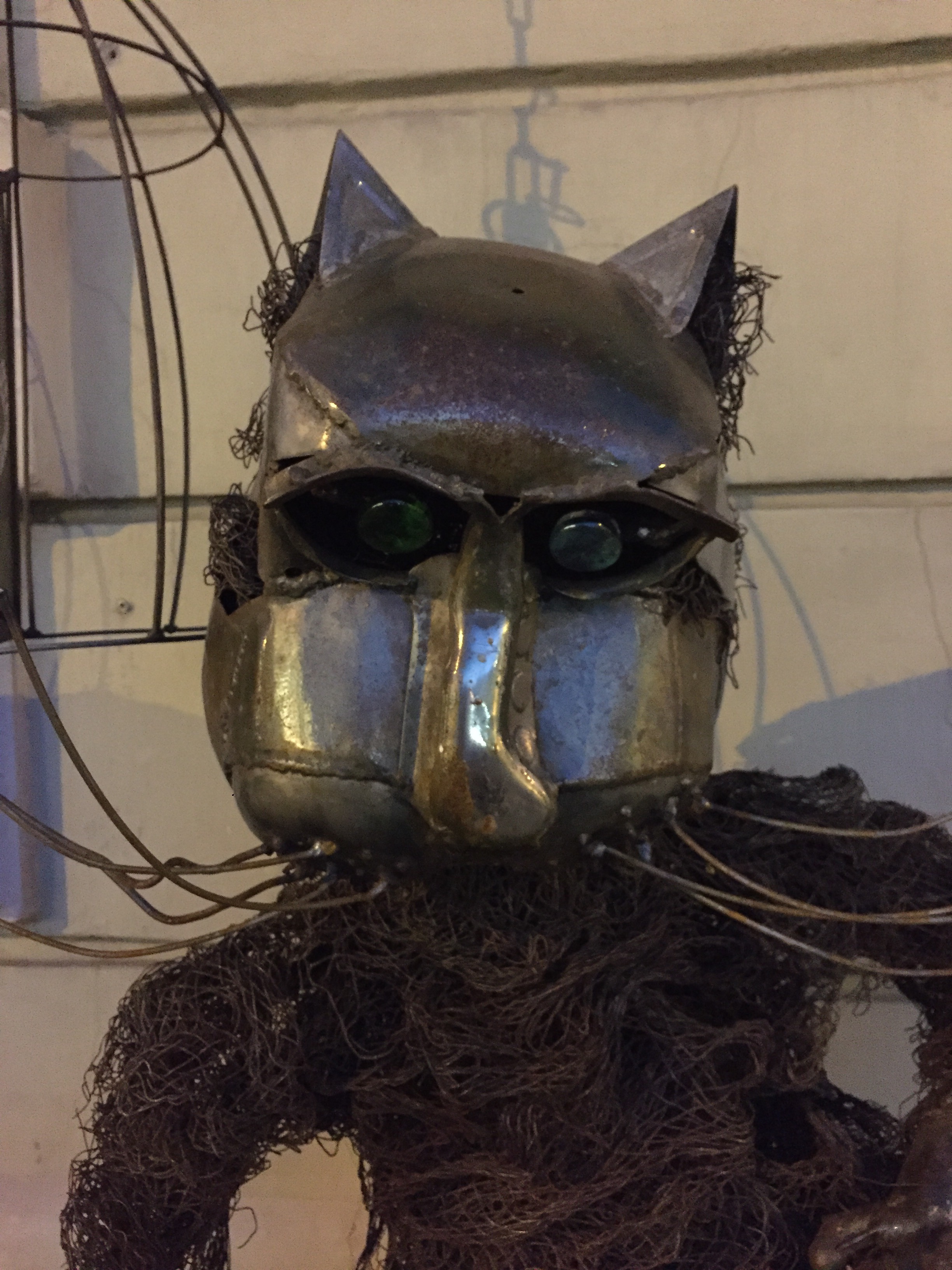
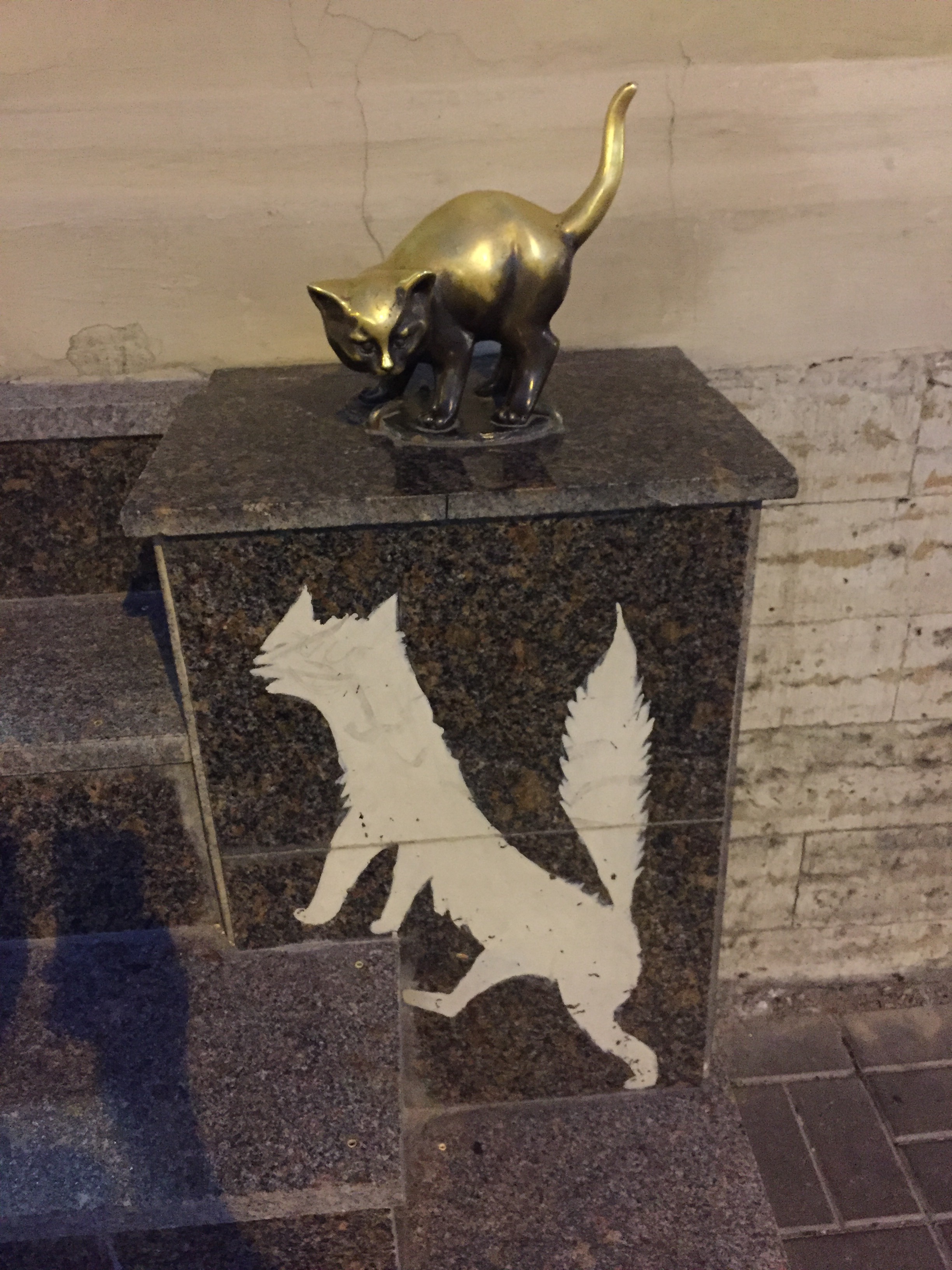
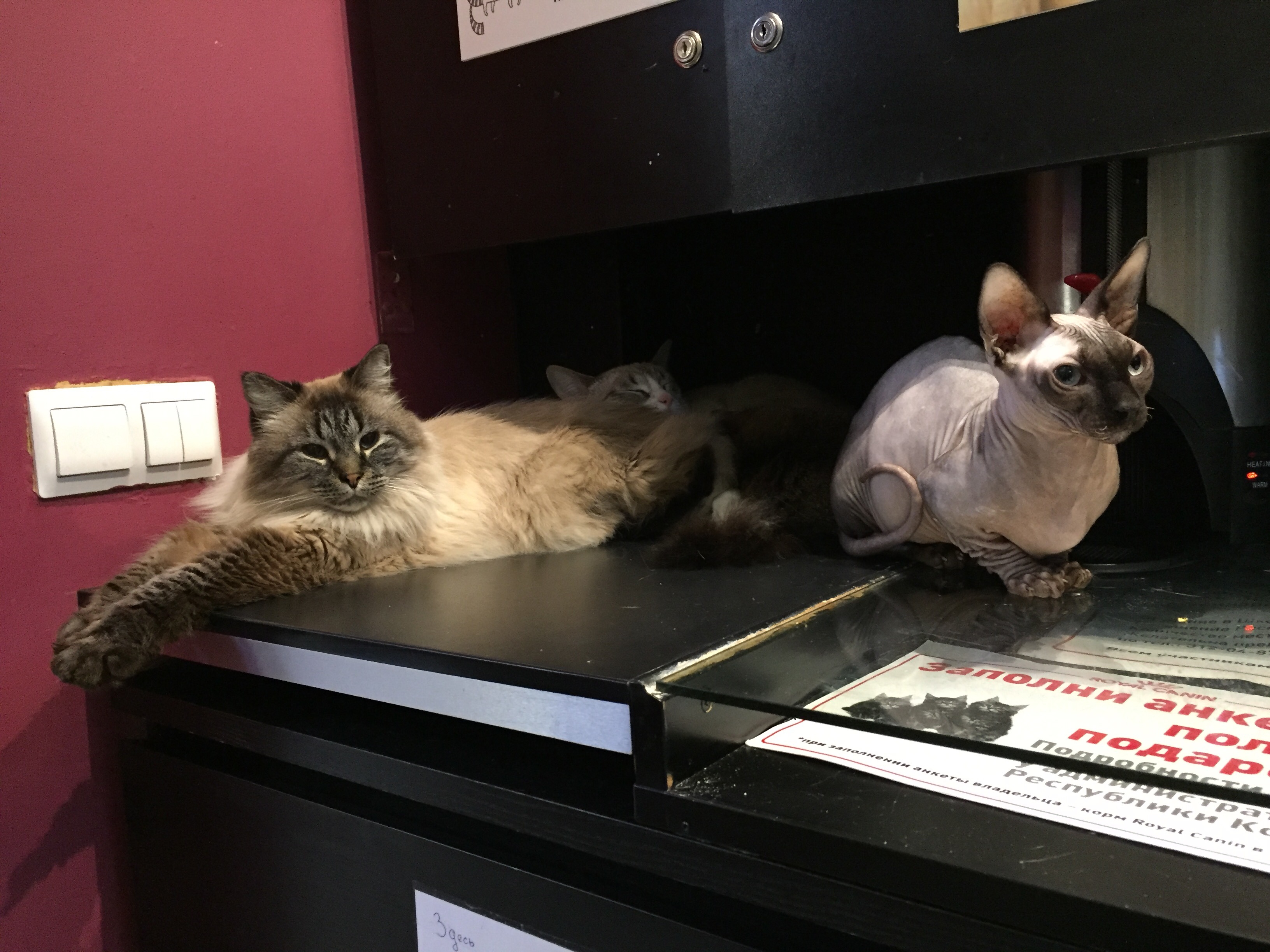
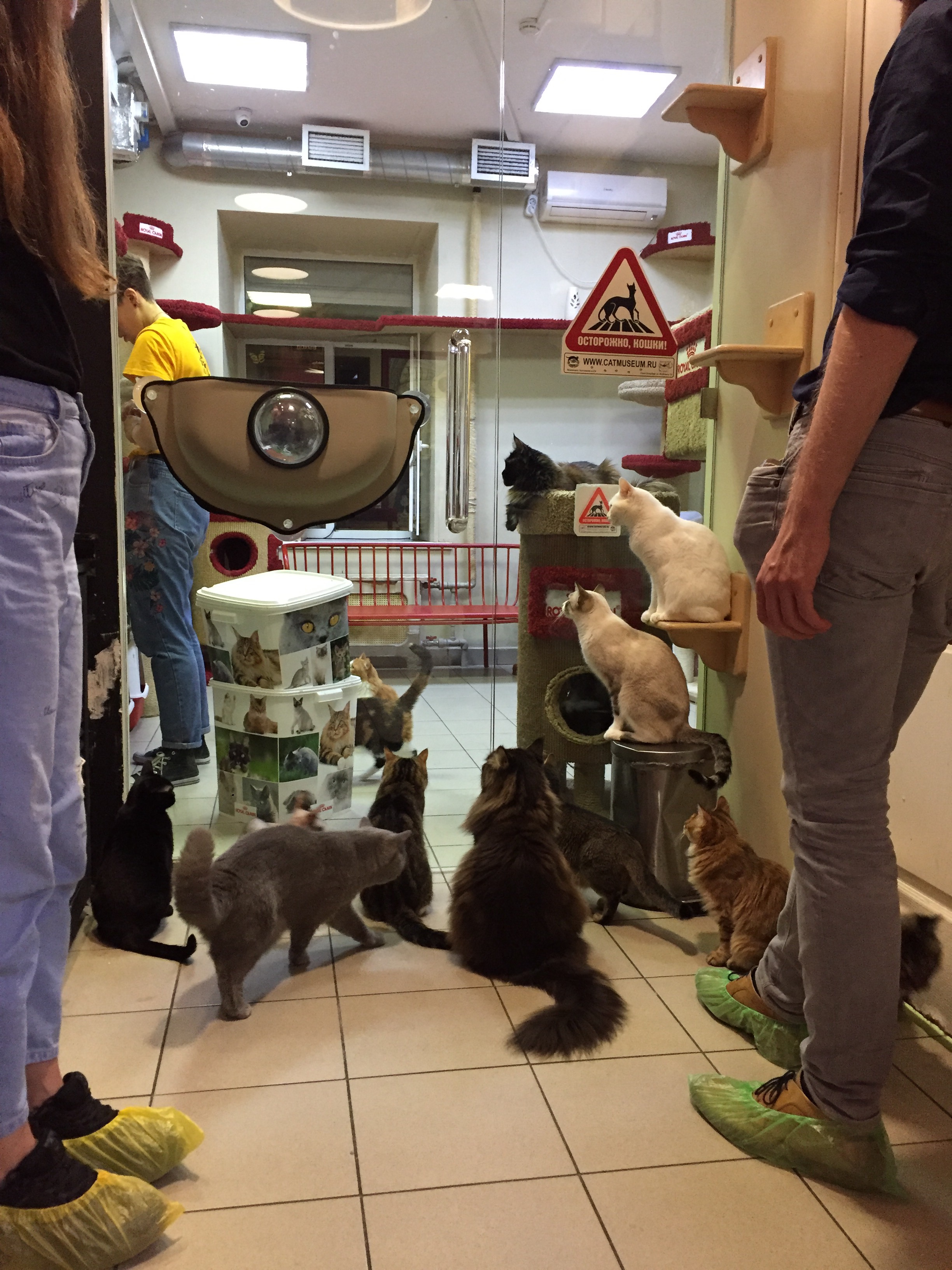
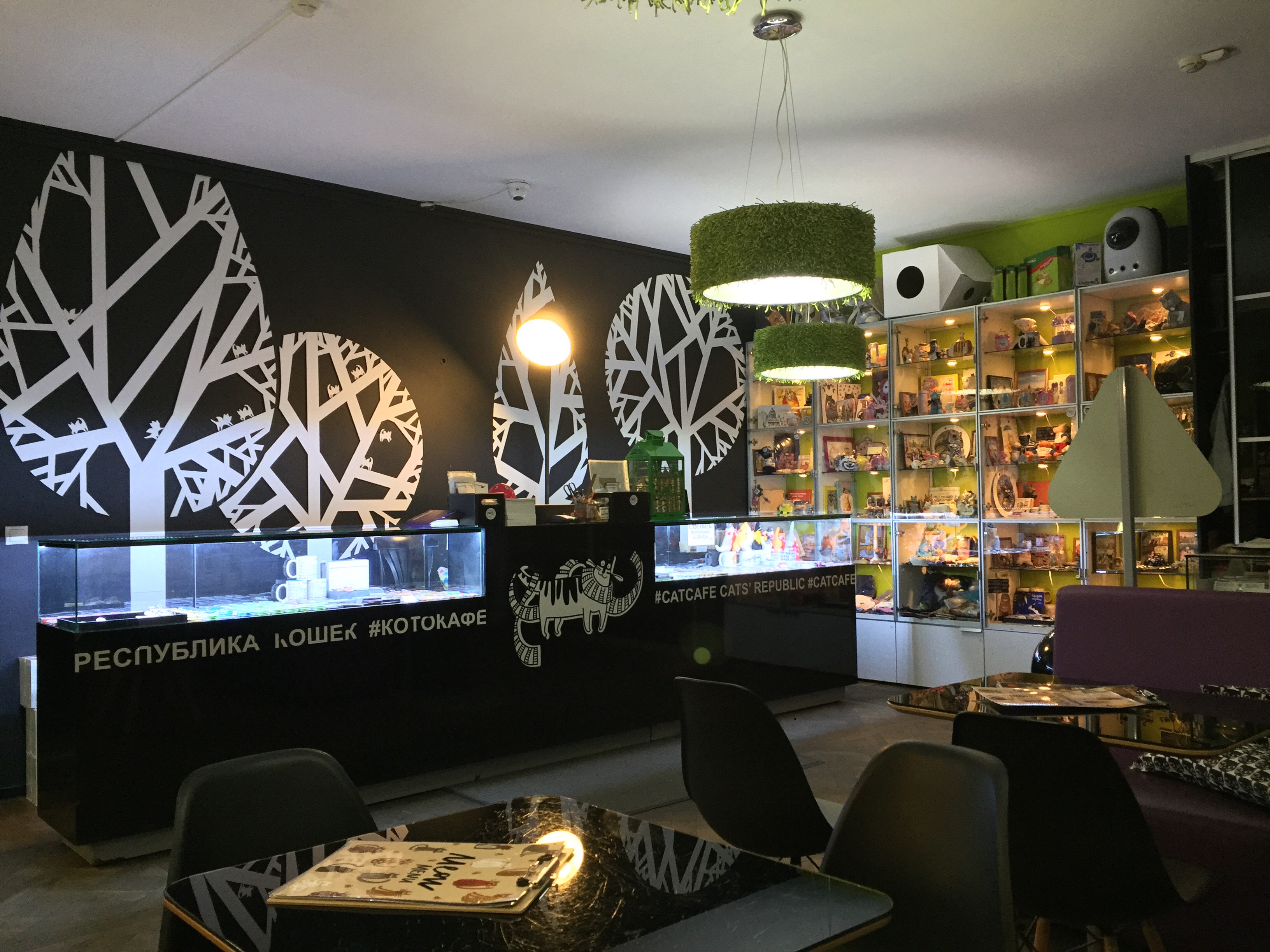 with a lot of feline themed decorative items – most of which are for sale – , but with no “real” cat in sight. The cat inspired Menue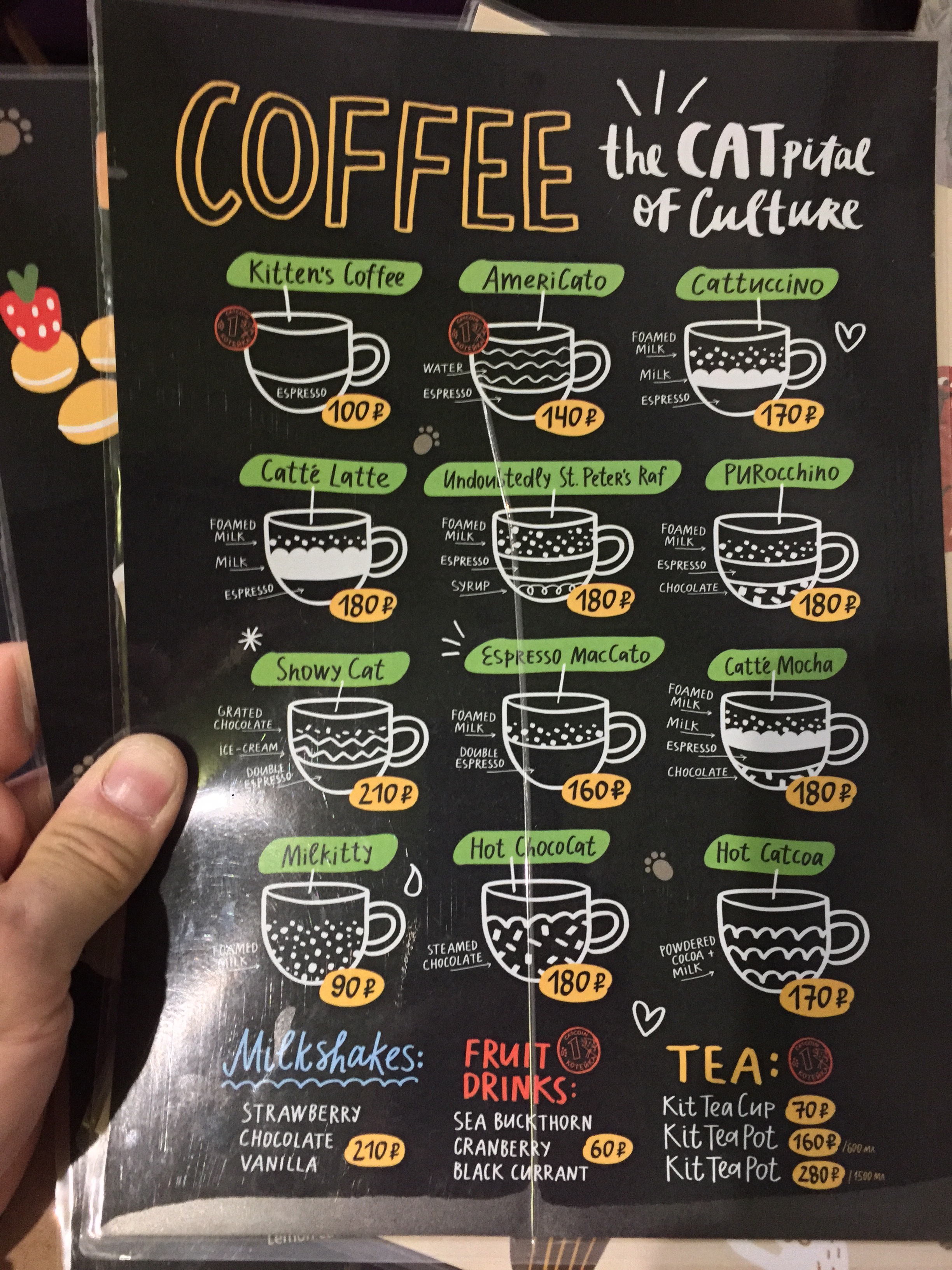
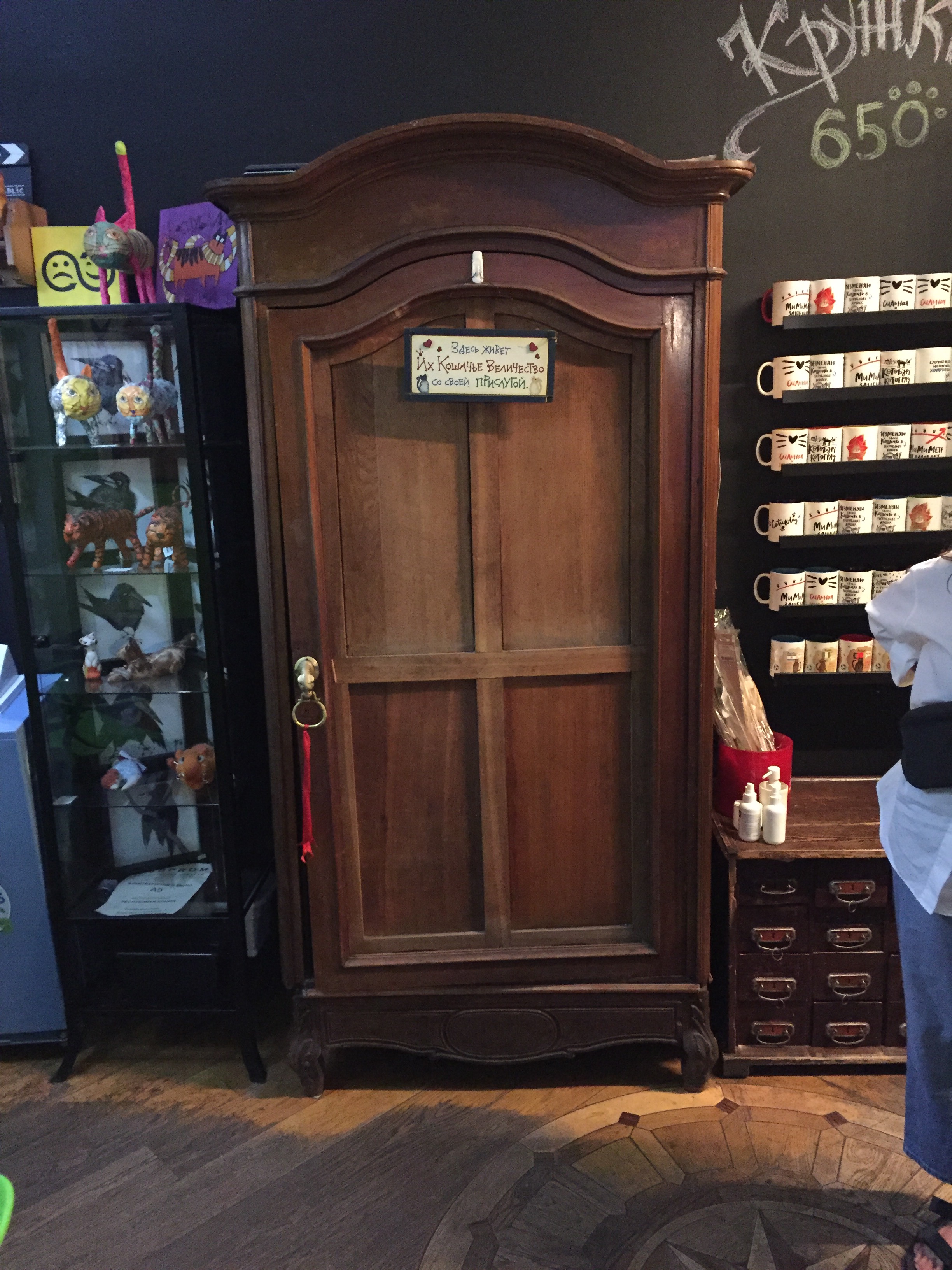
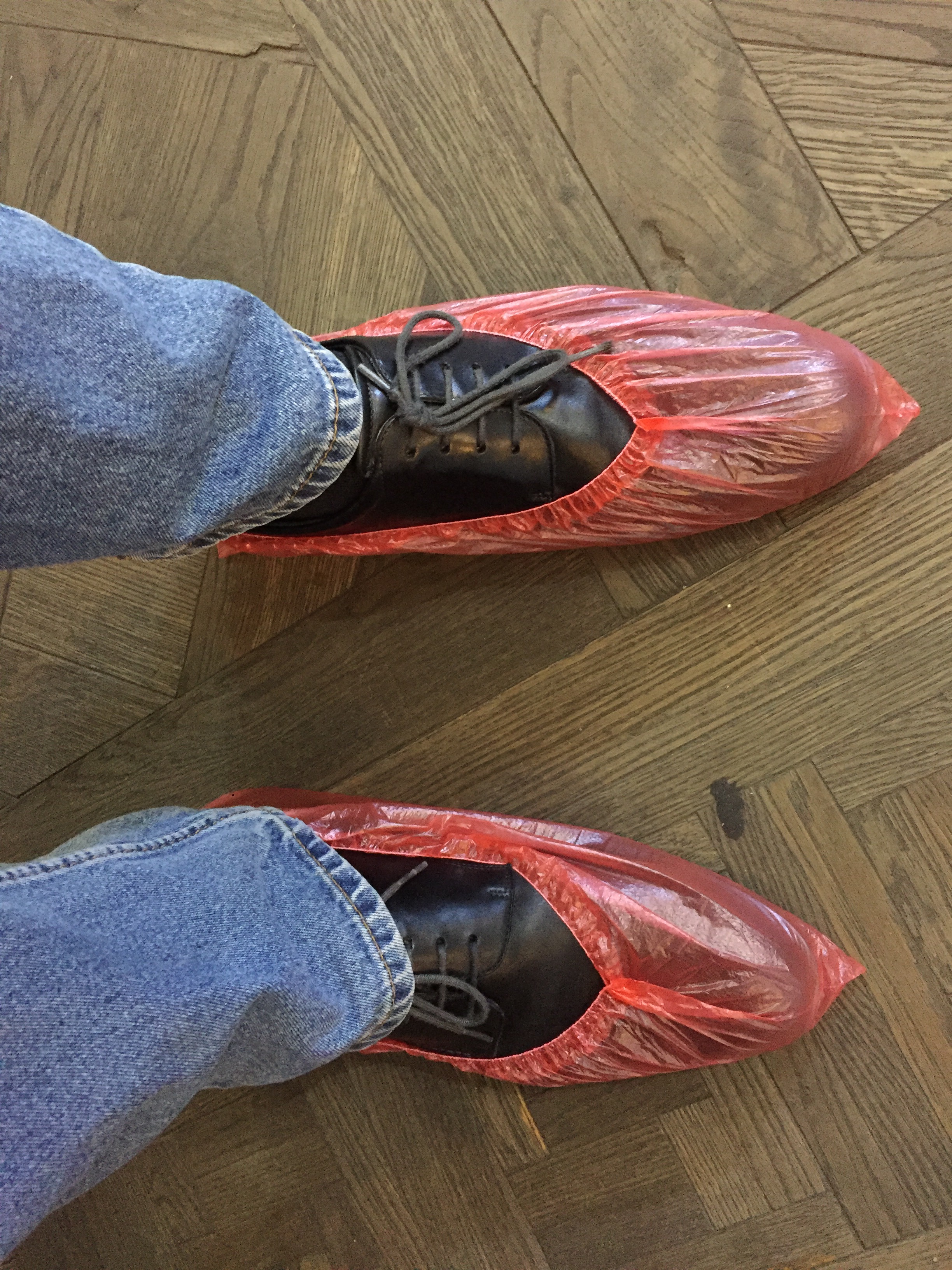
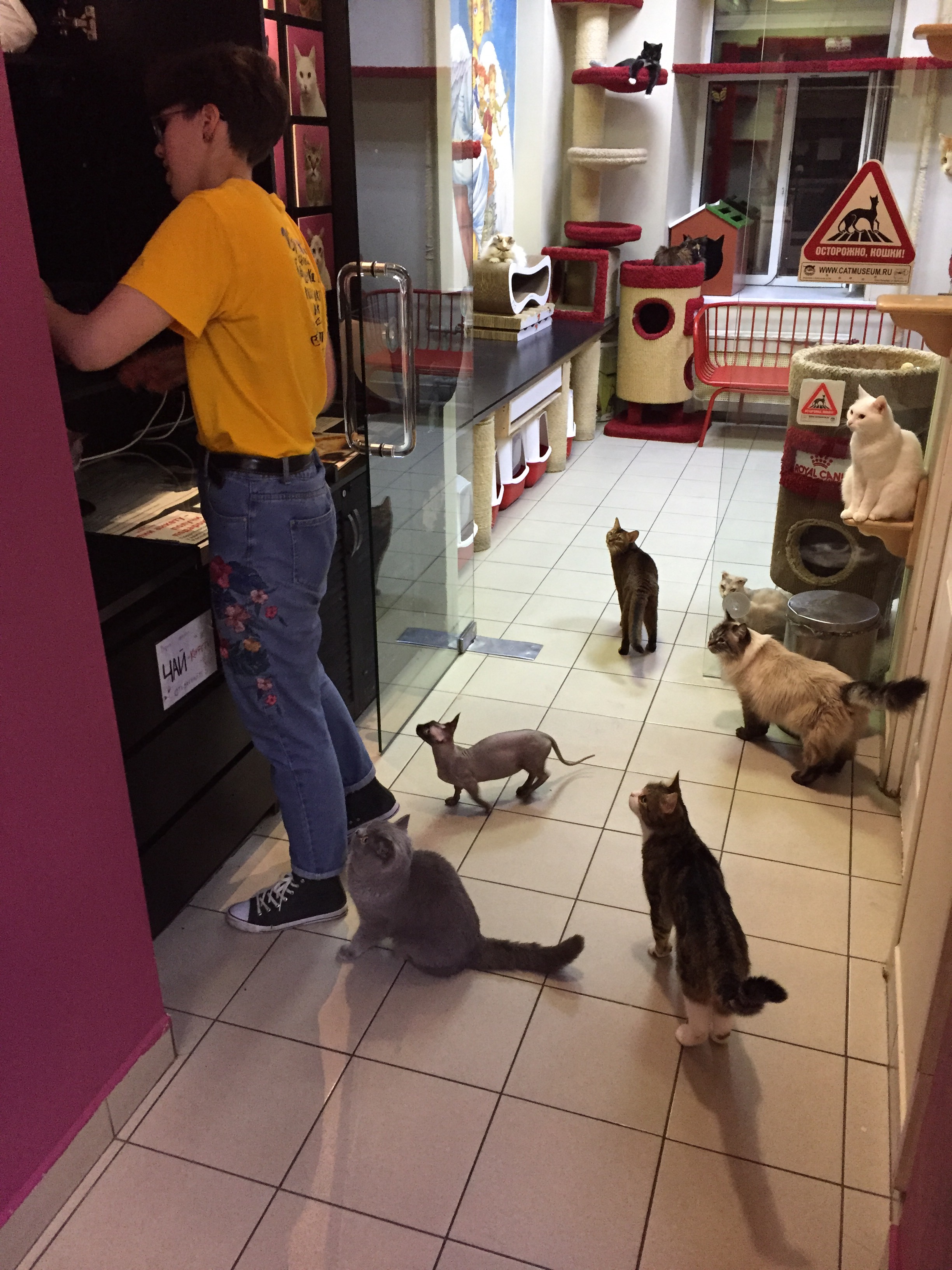
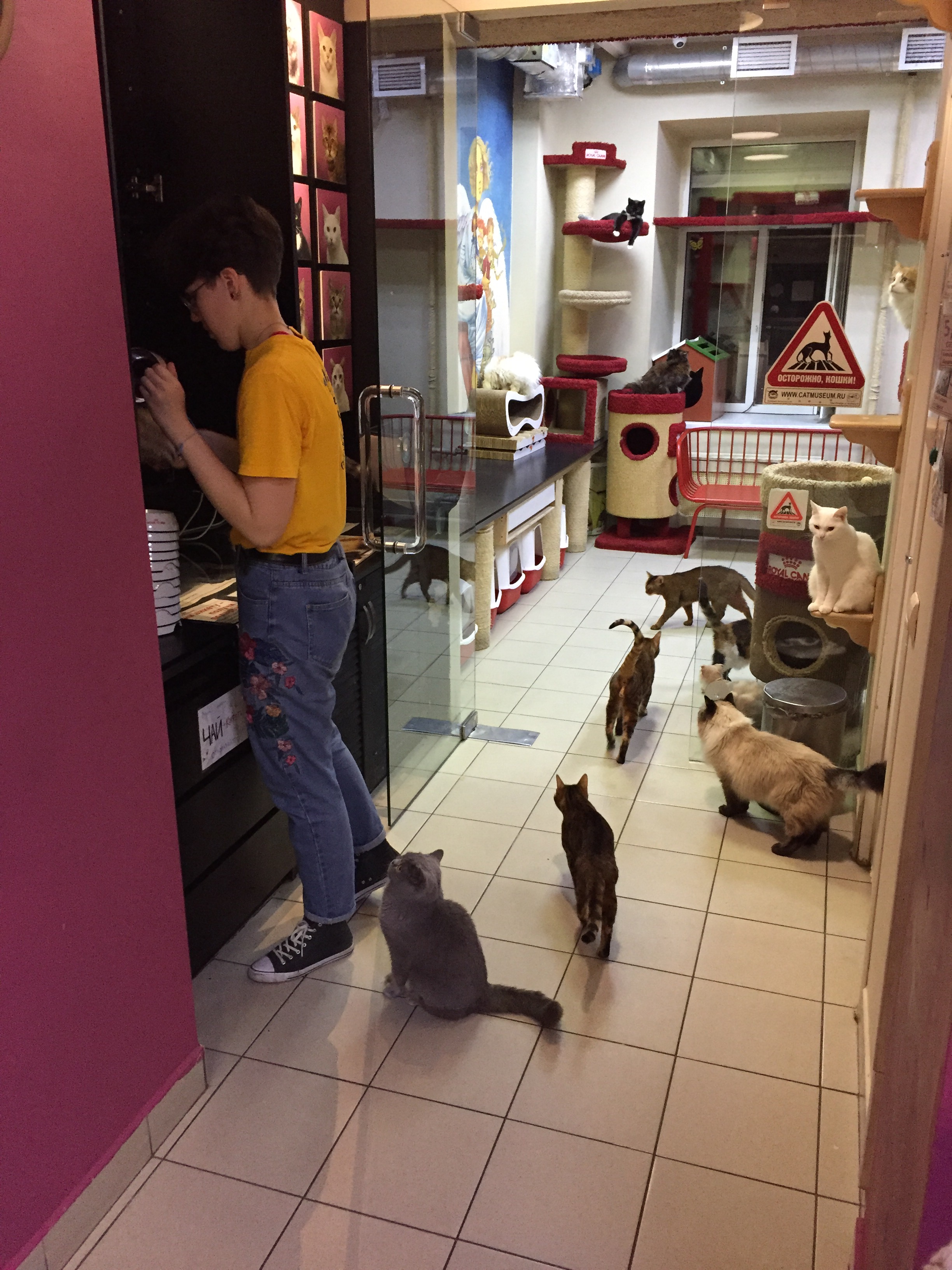
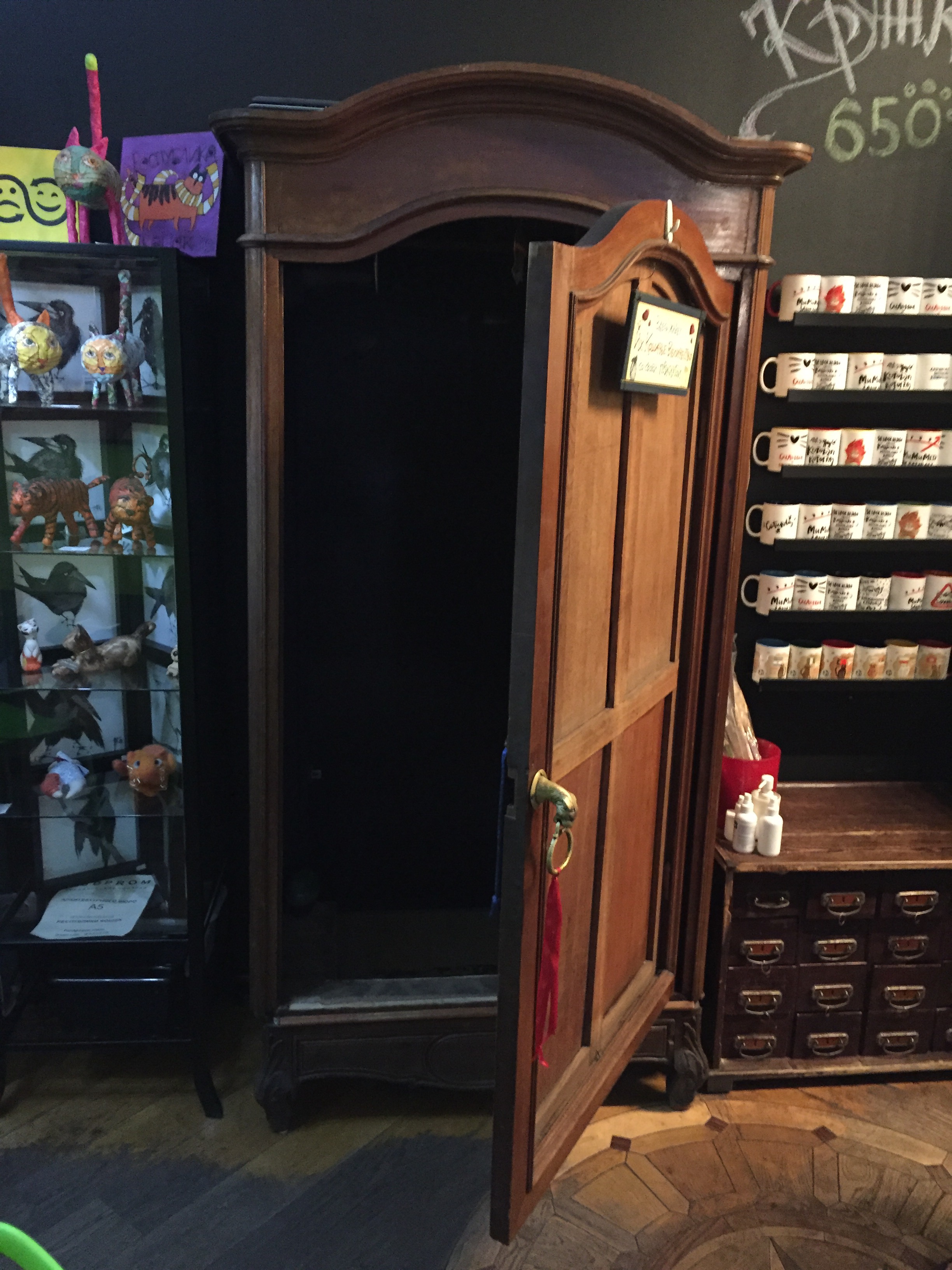 and you step inside the area that is giving the cafe its name, just that coffee is no longer allowed here….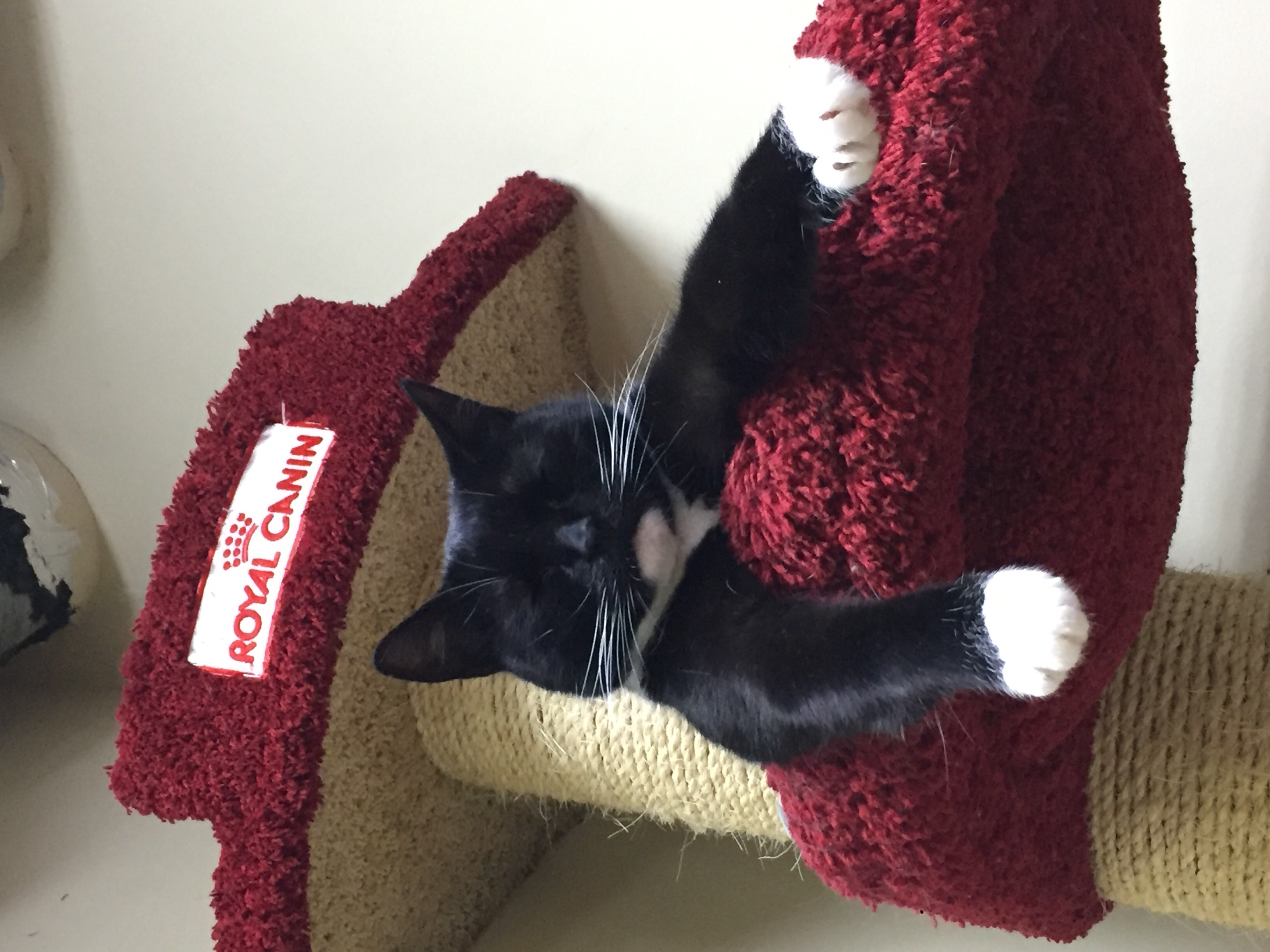
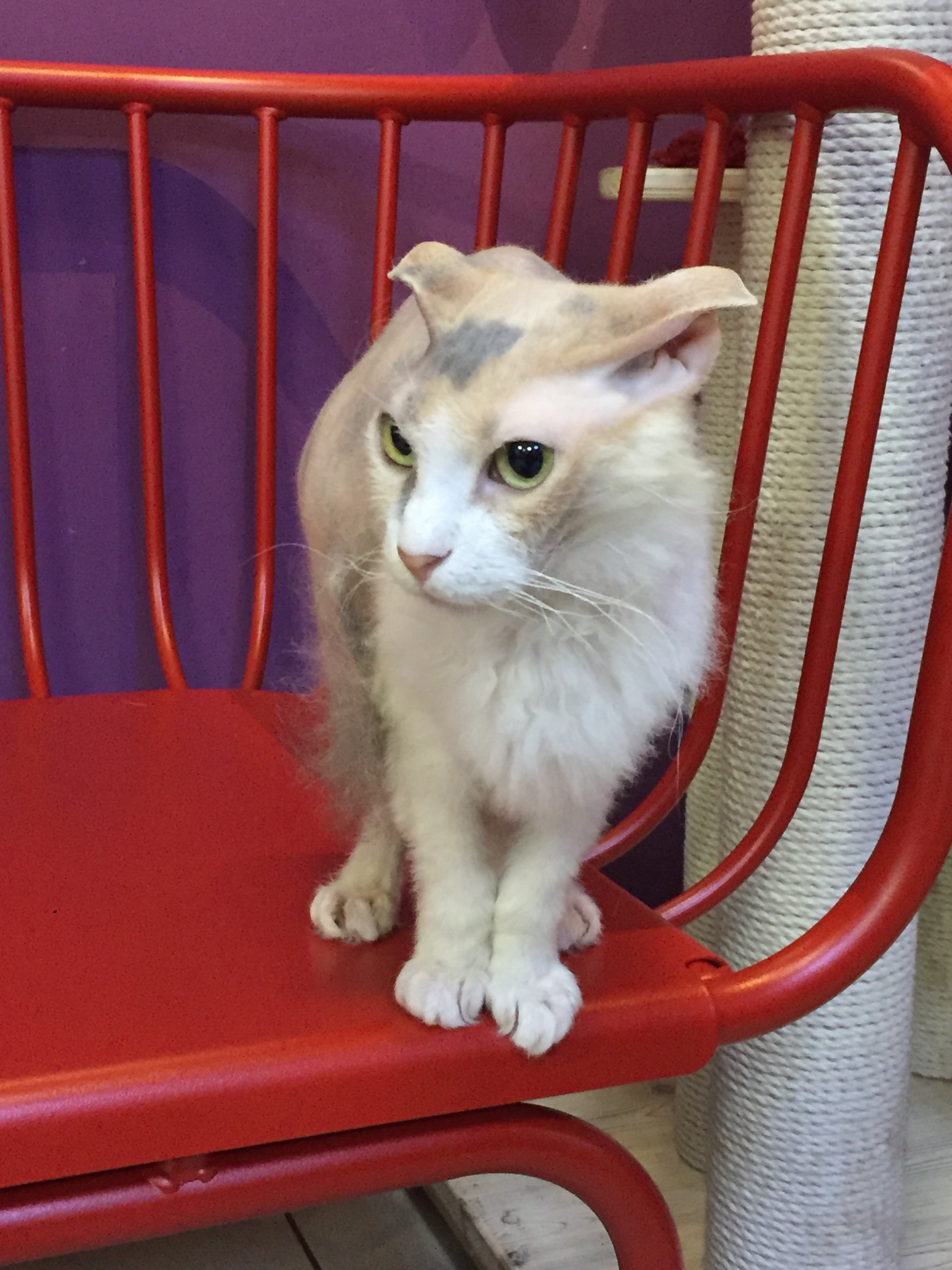
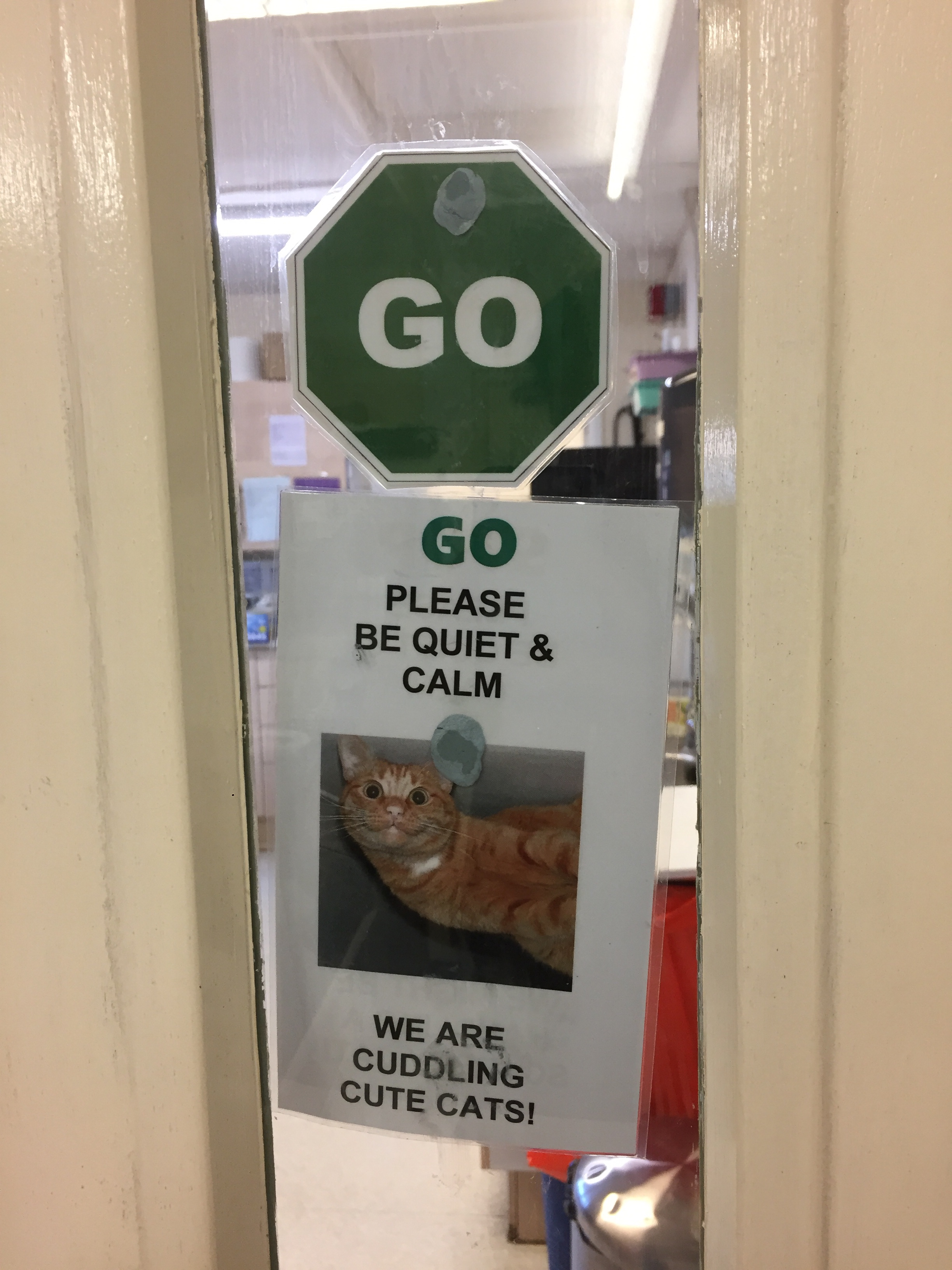
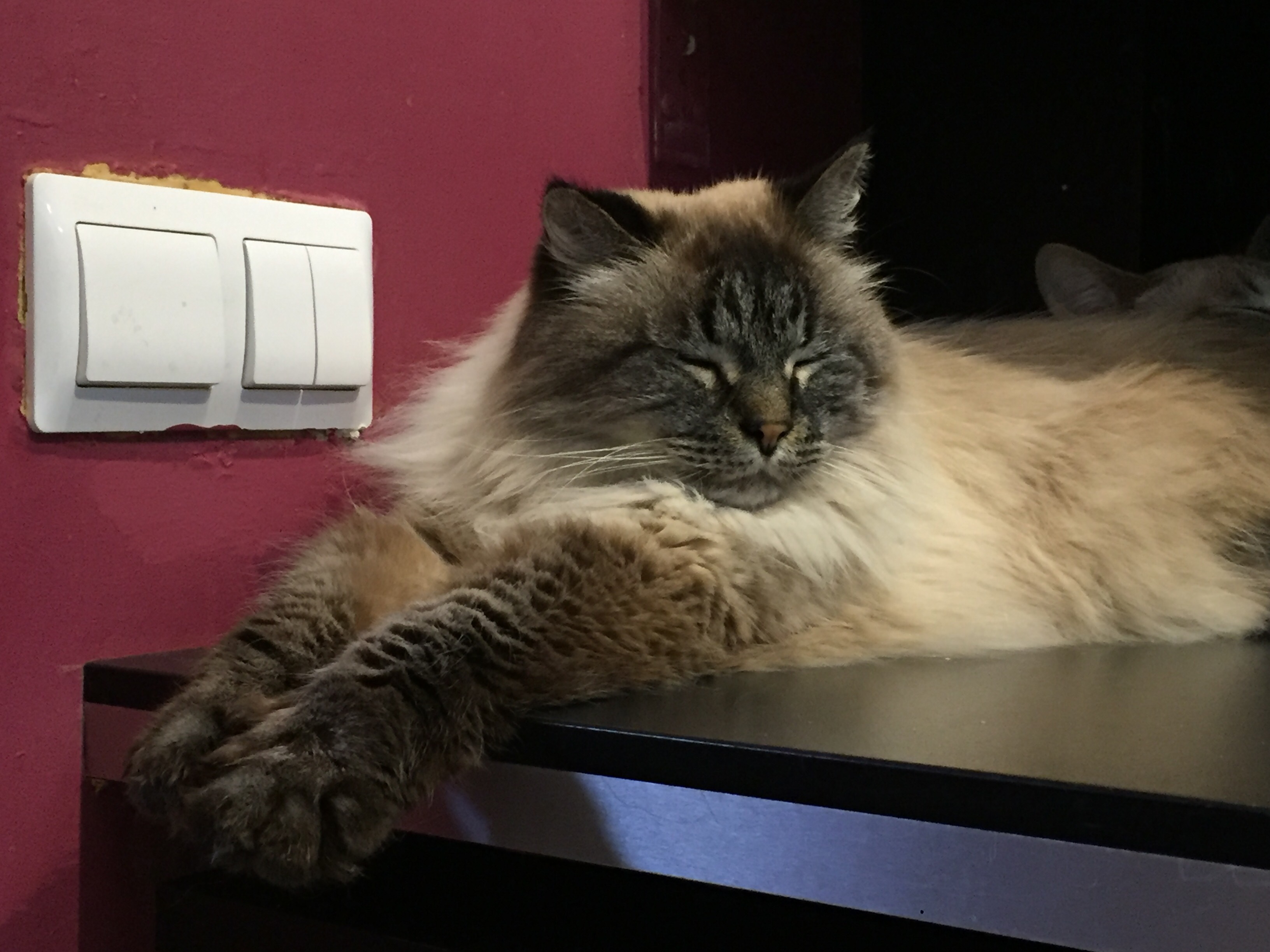 Up to 15 people per hour can enjoy this feeling and are not allowed to pick any of the cats up. As humans are so common visitors, most cats ignore them and regard them mainly as moving obstacles and as twice daily provider of food ( which is not a great difference to my own cat…..)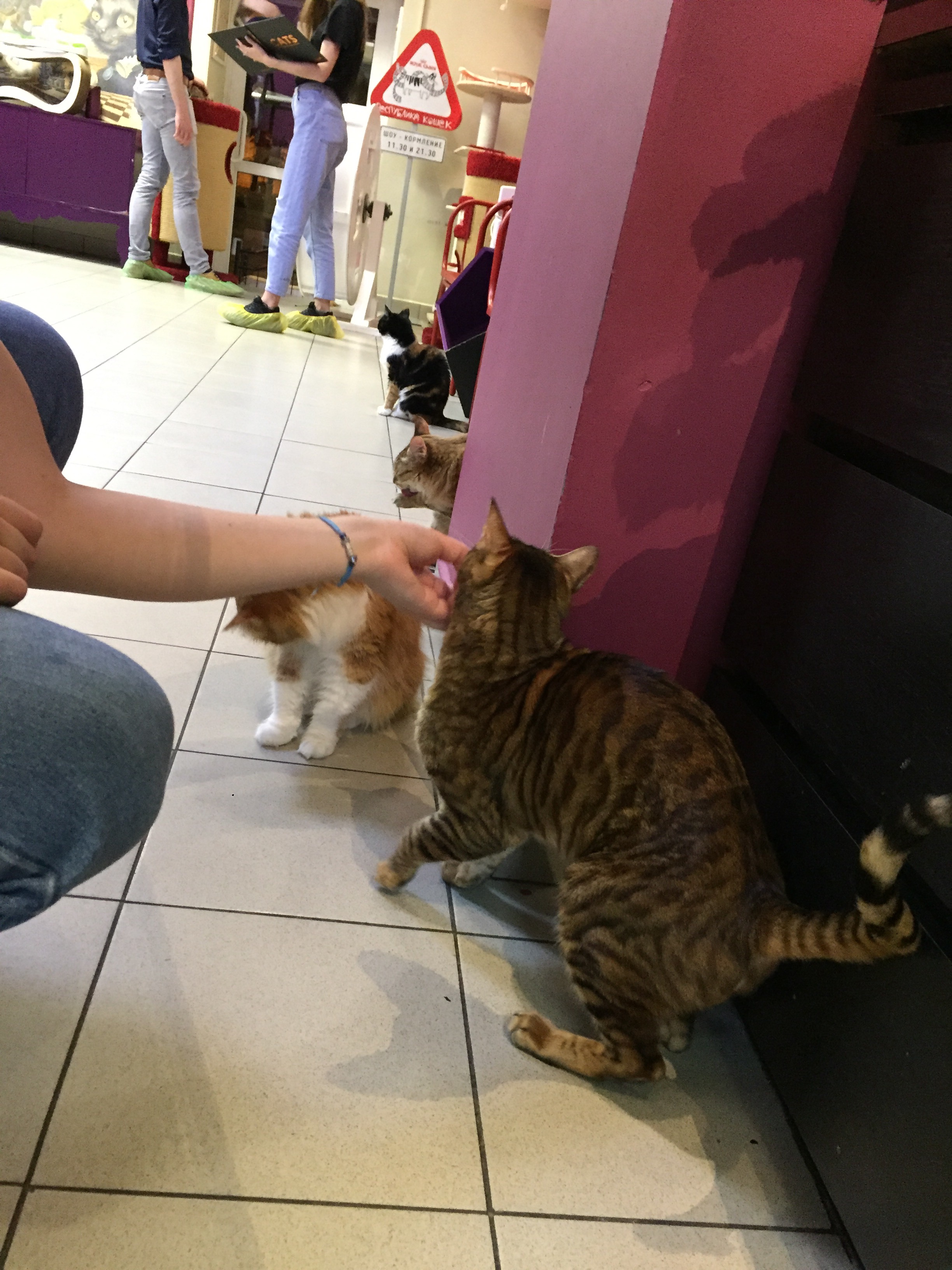

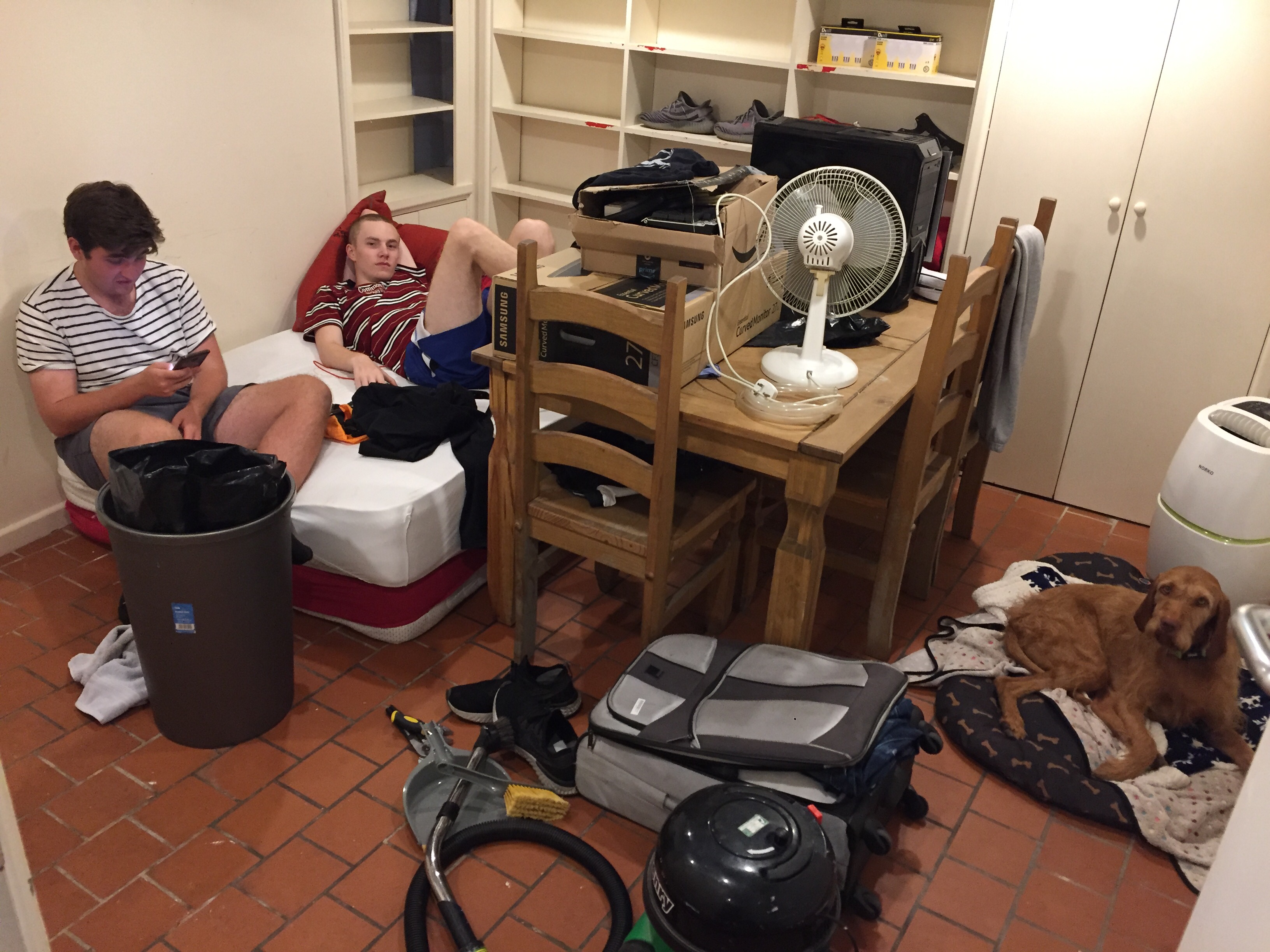 and set to work – all the time in the knowledge that the first tenants were due to move in on 1st of September.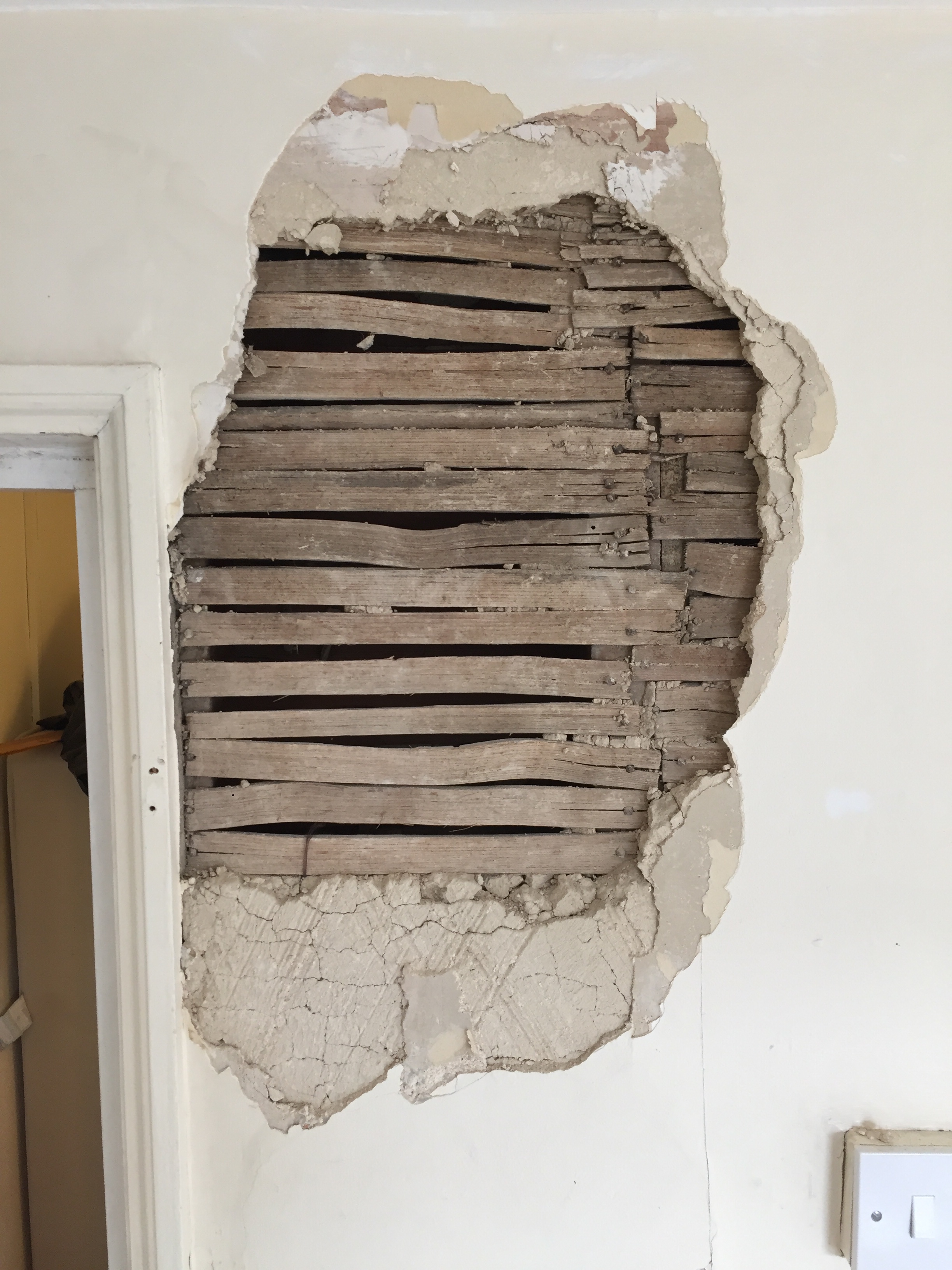
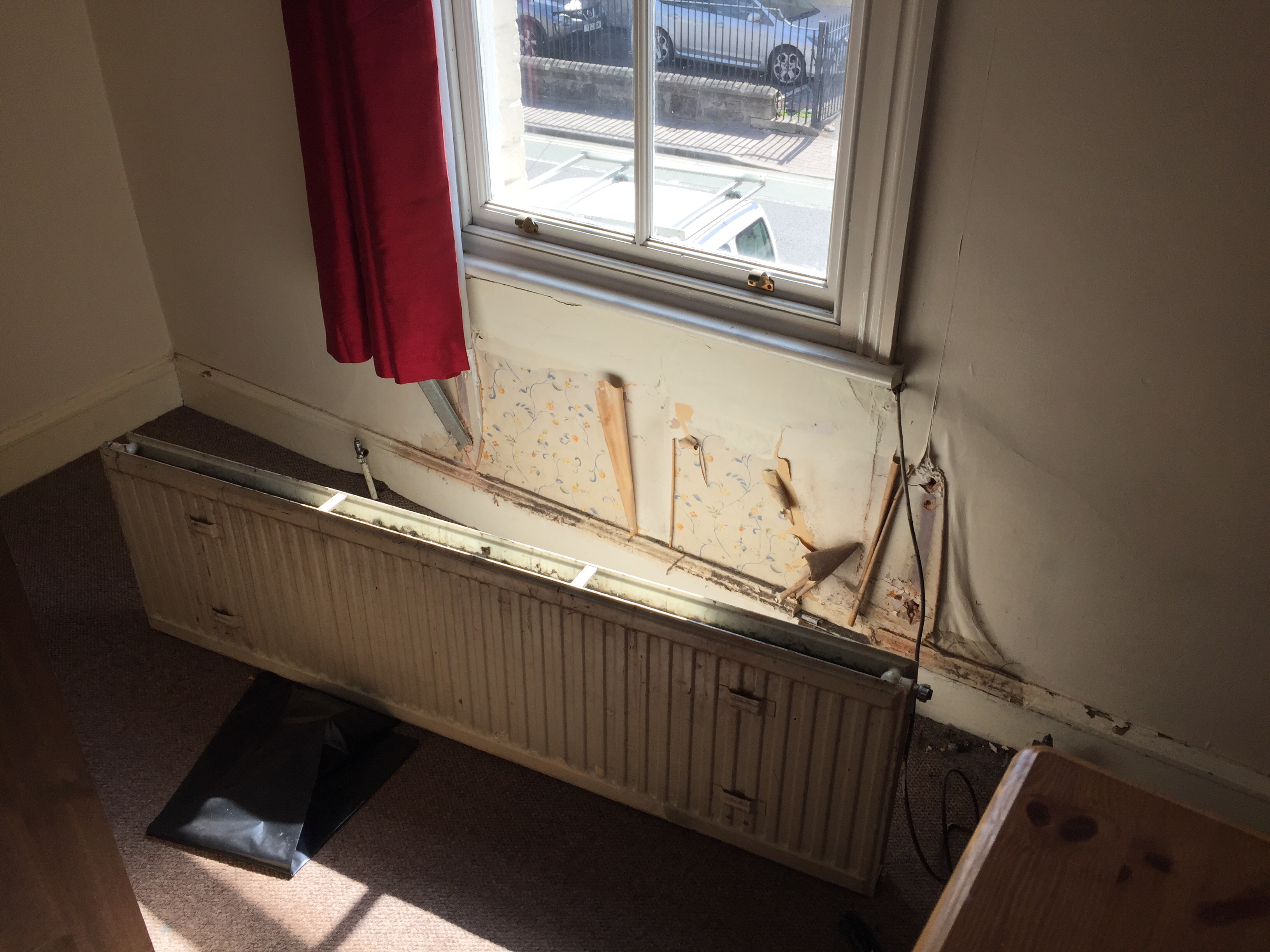
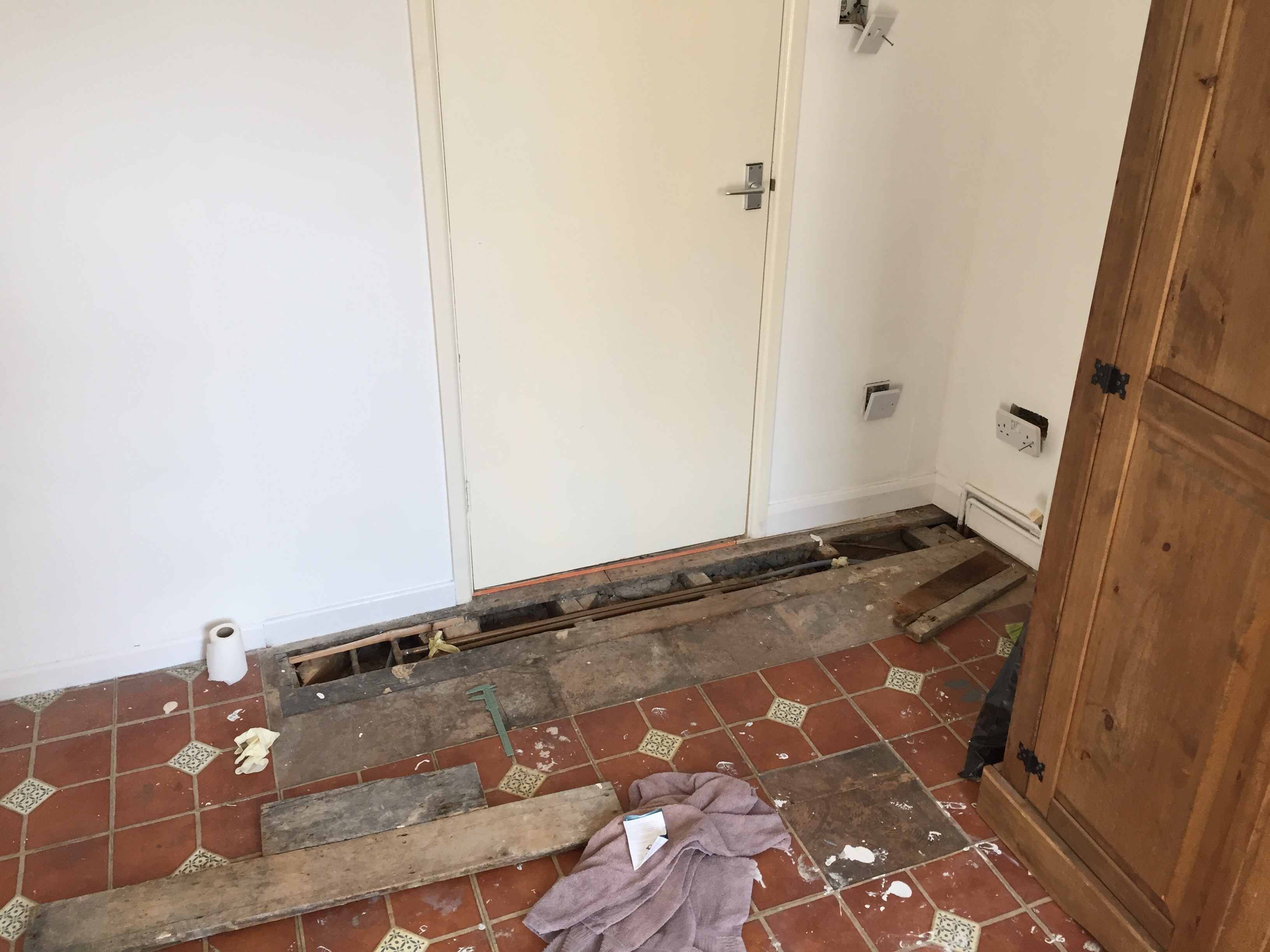
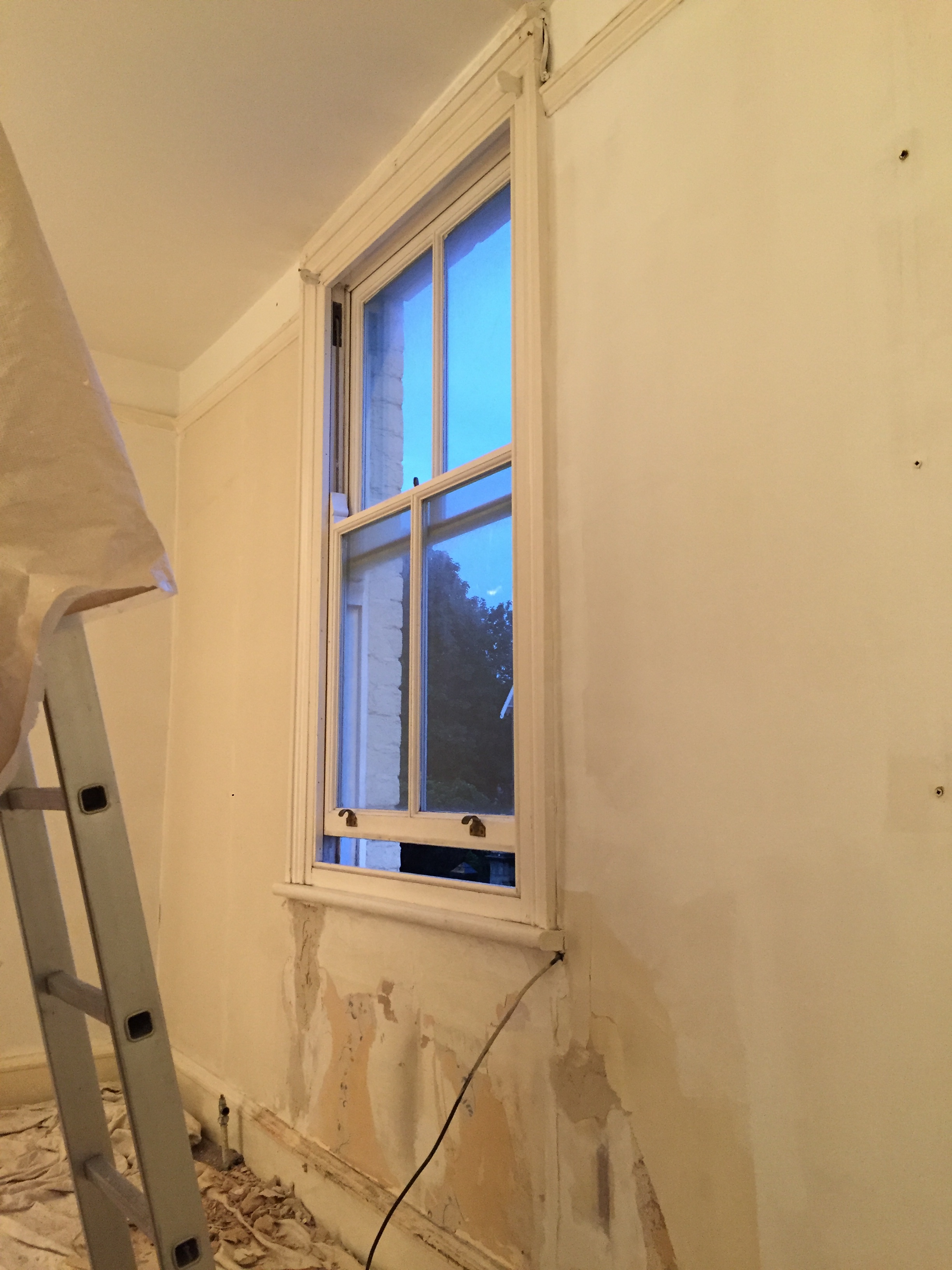
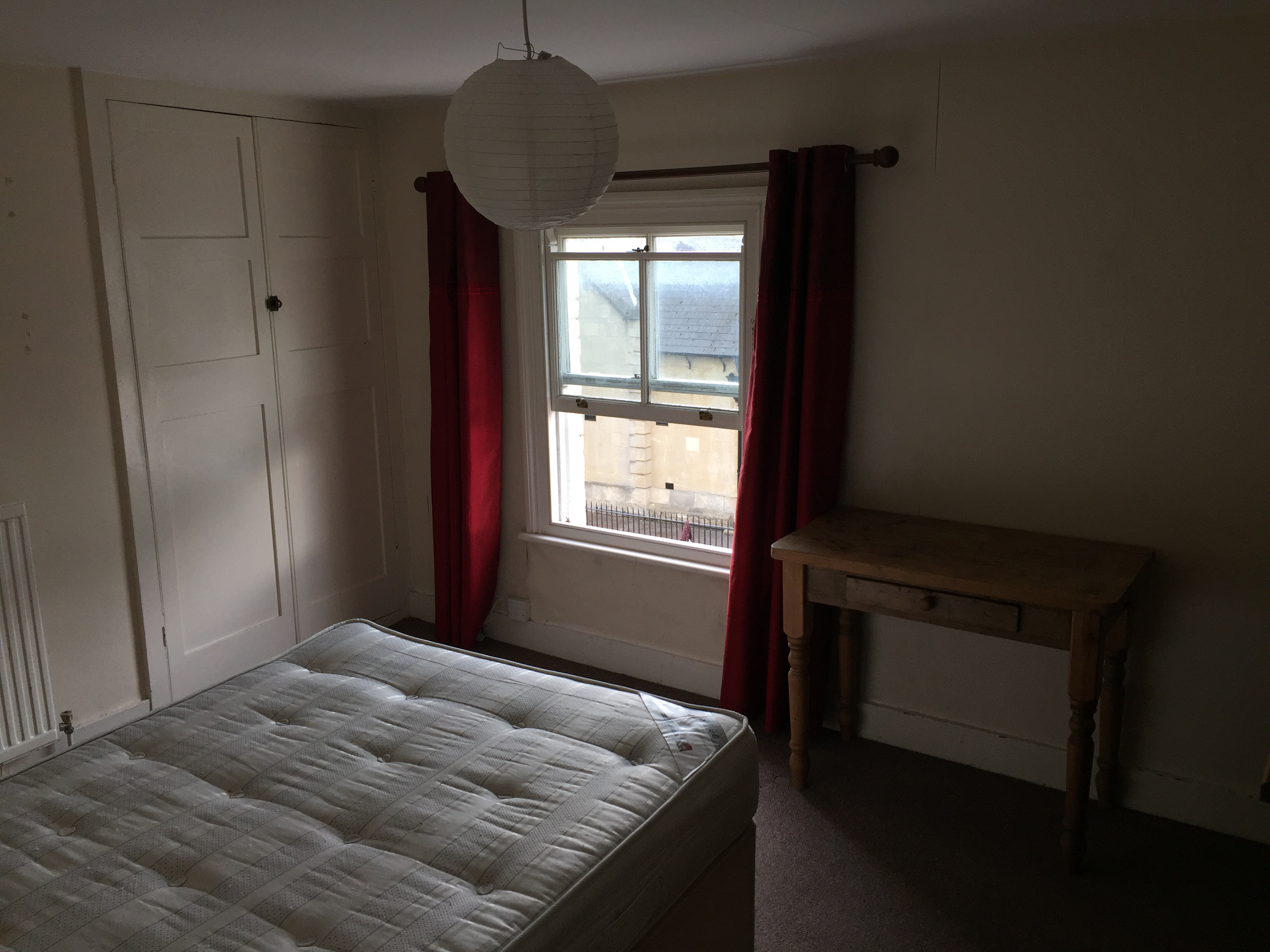
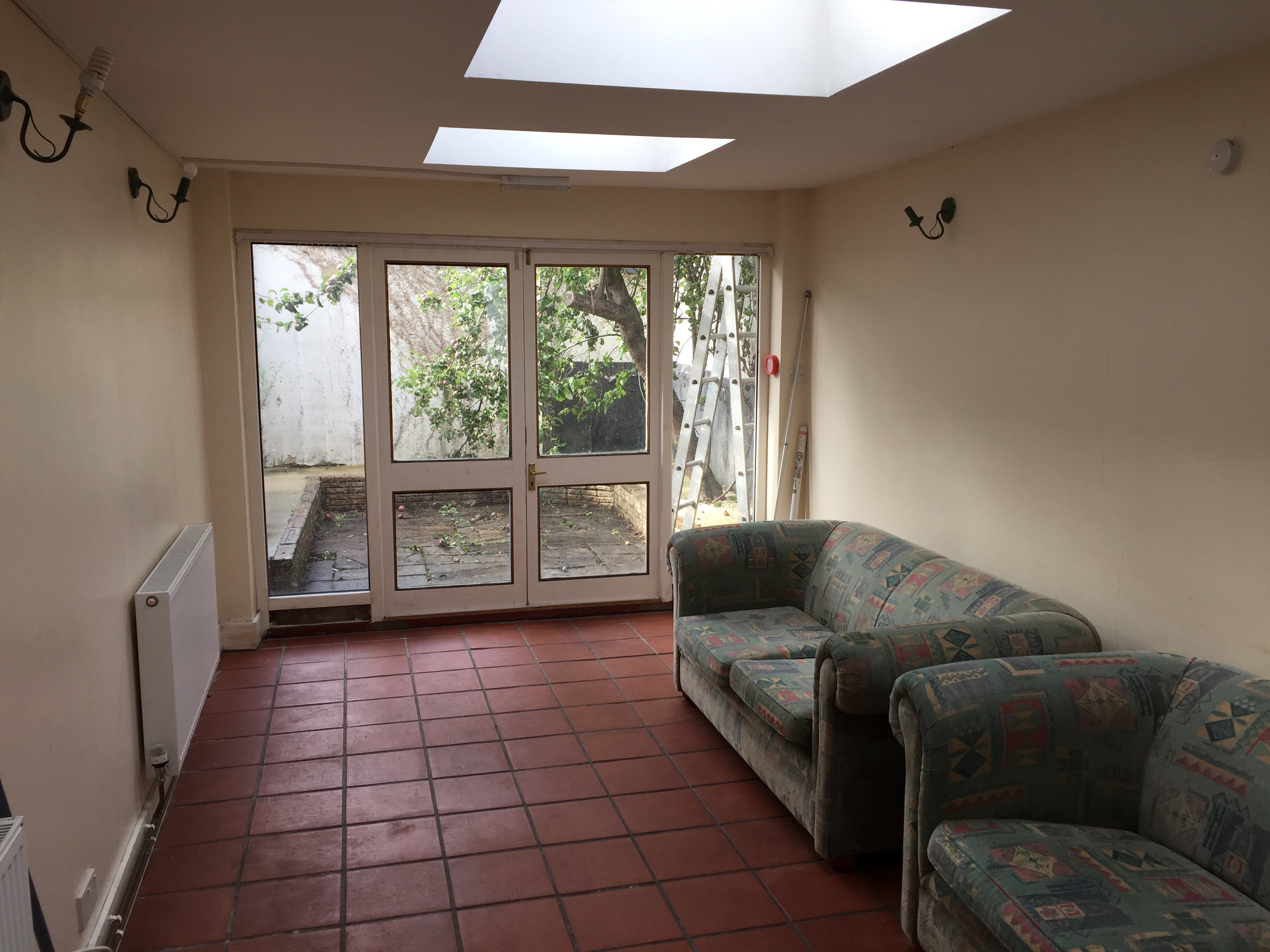


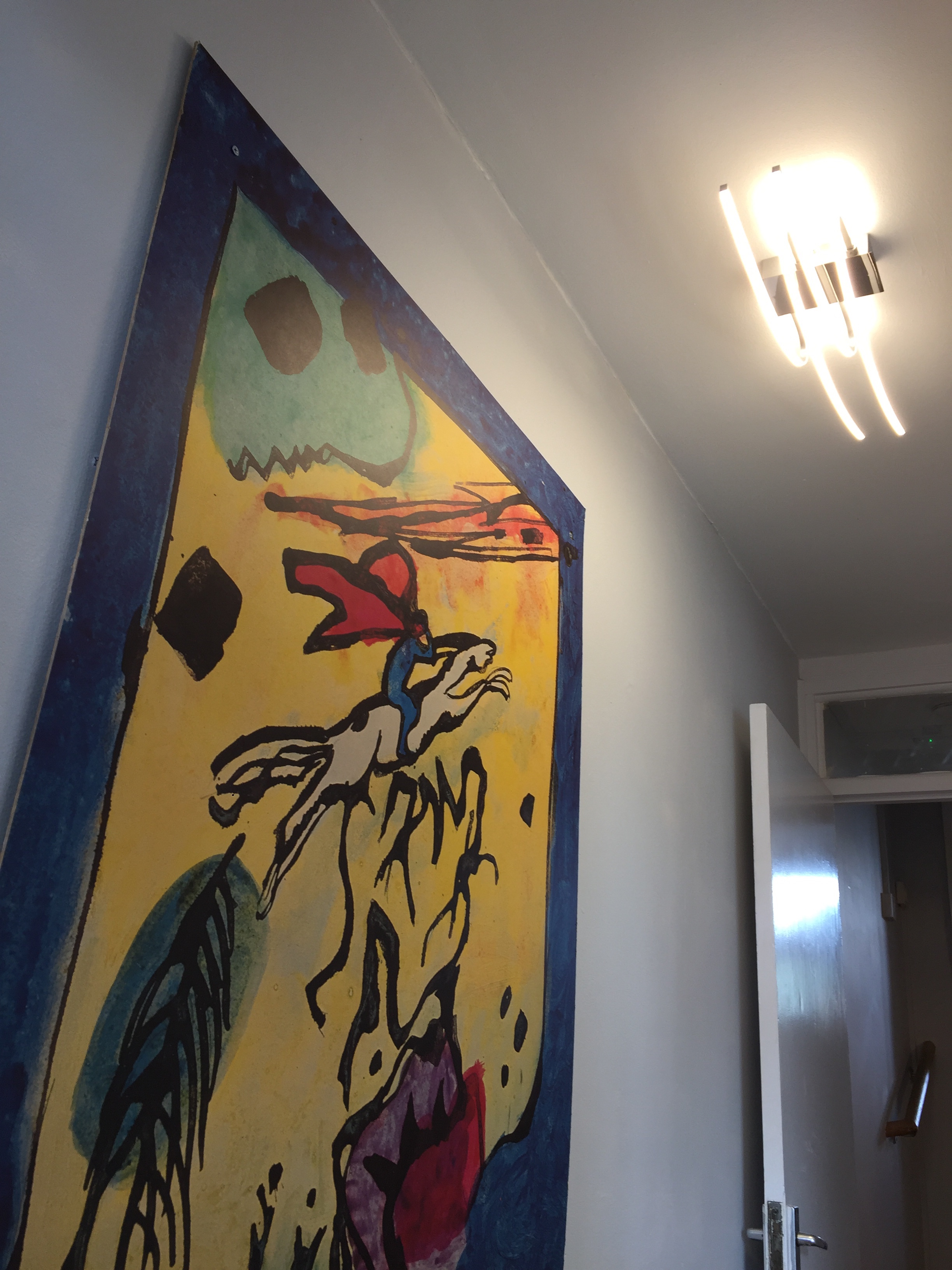
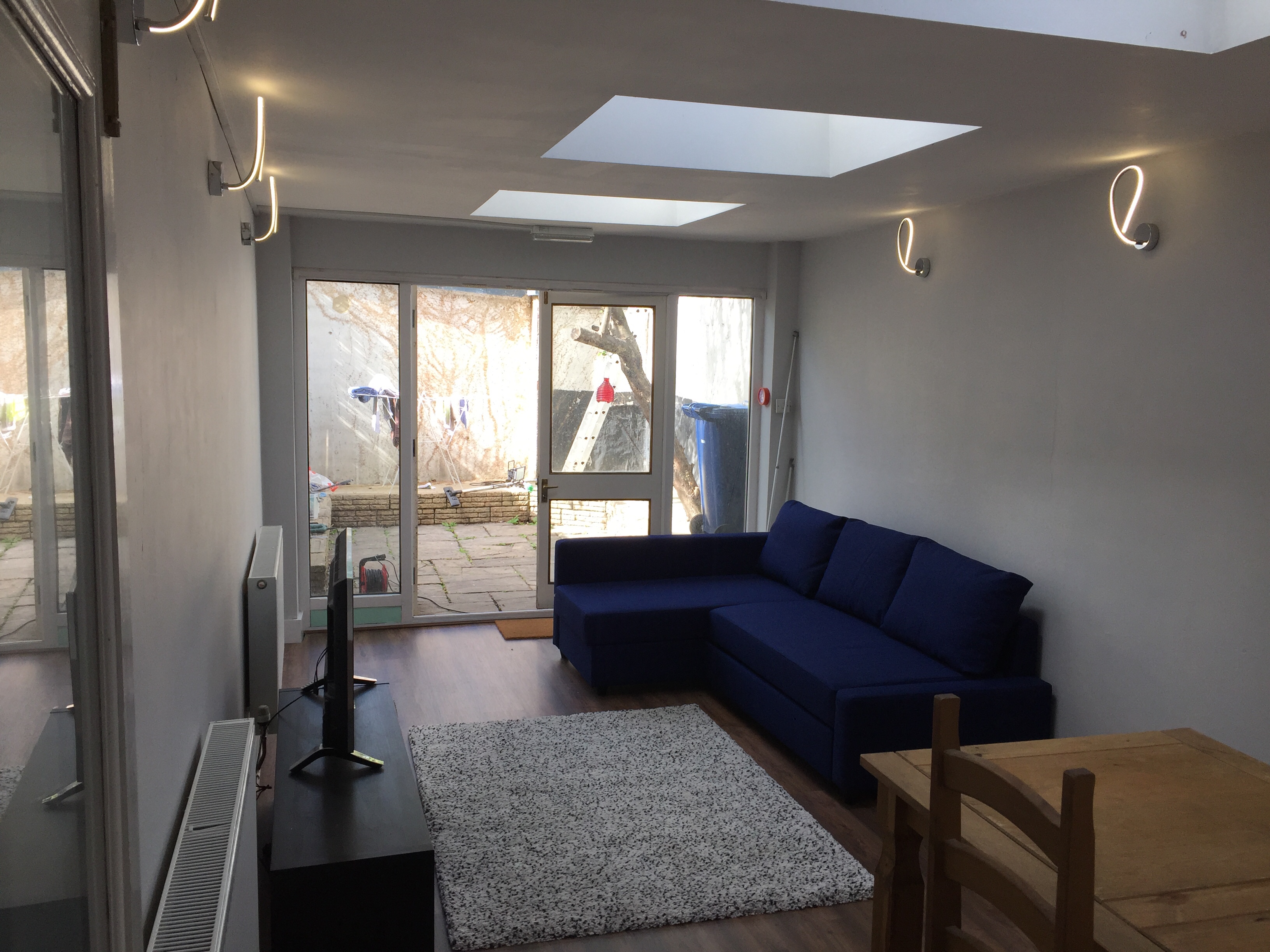
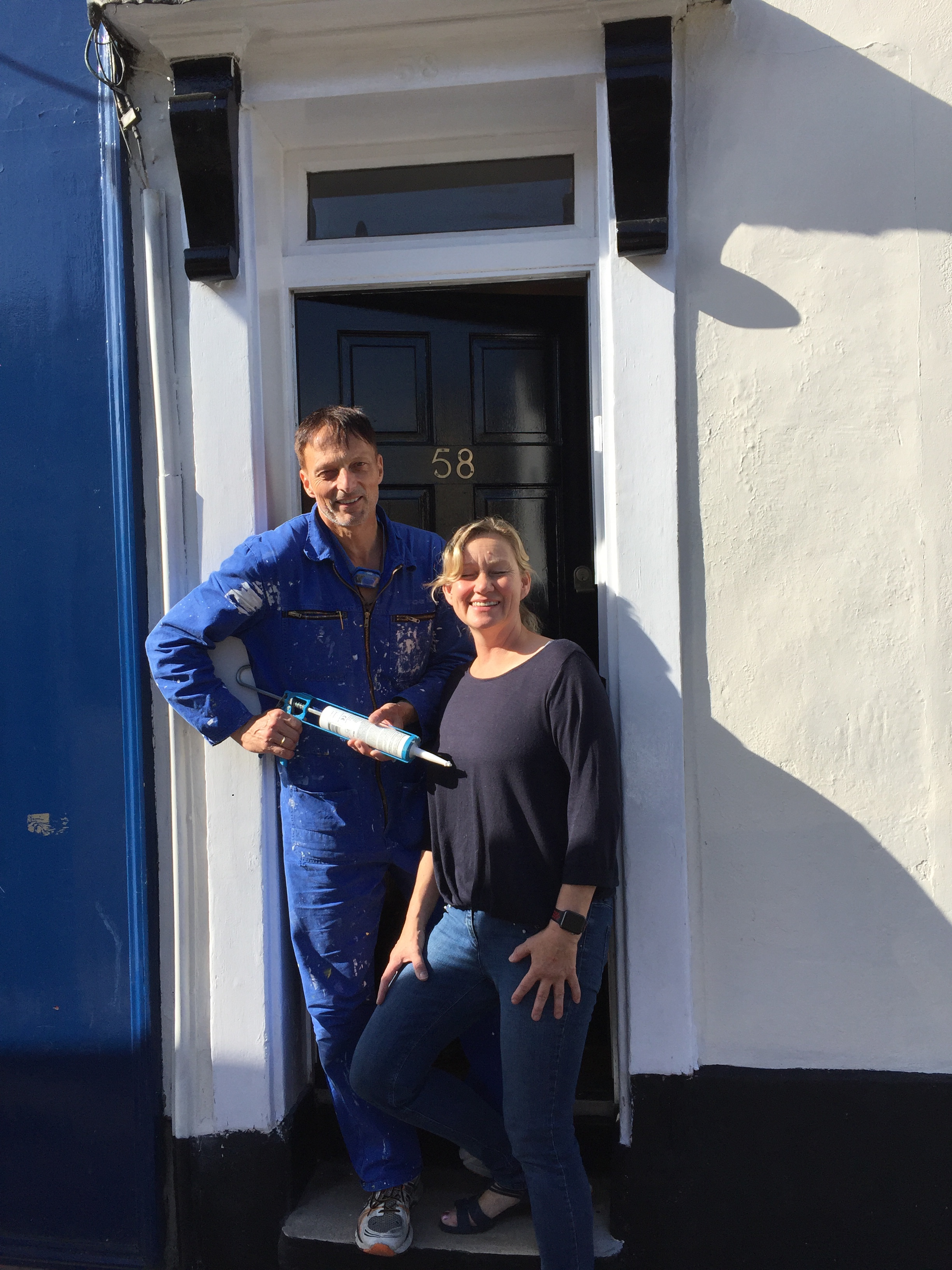 , the patient was “discharged” with the first student moving in a day earlier than planned
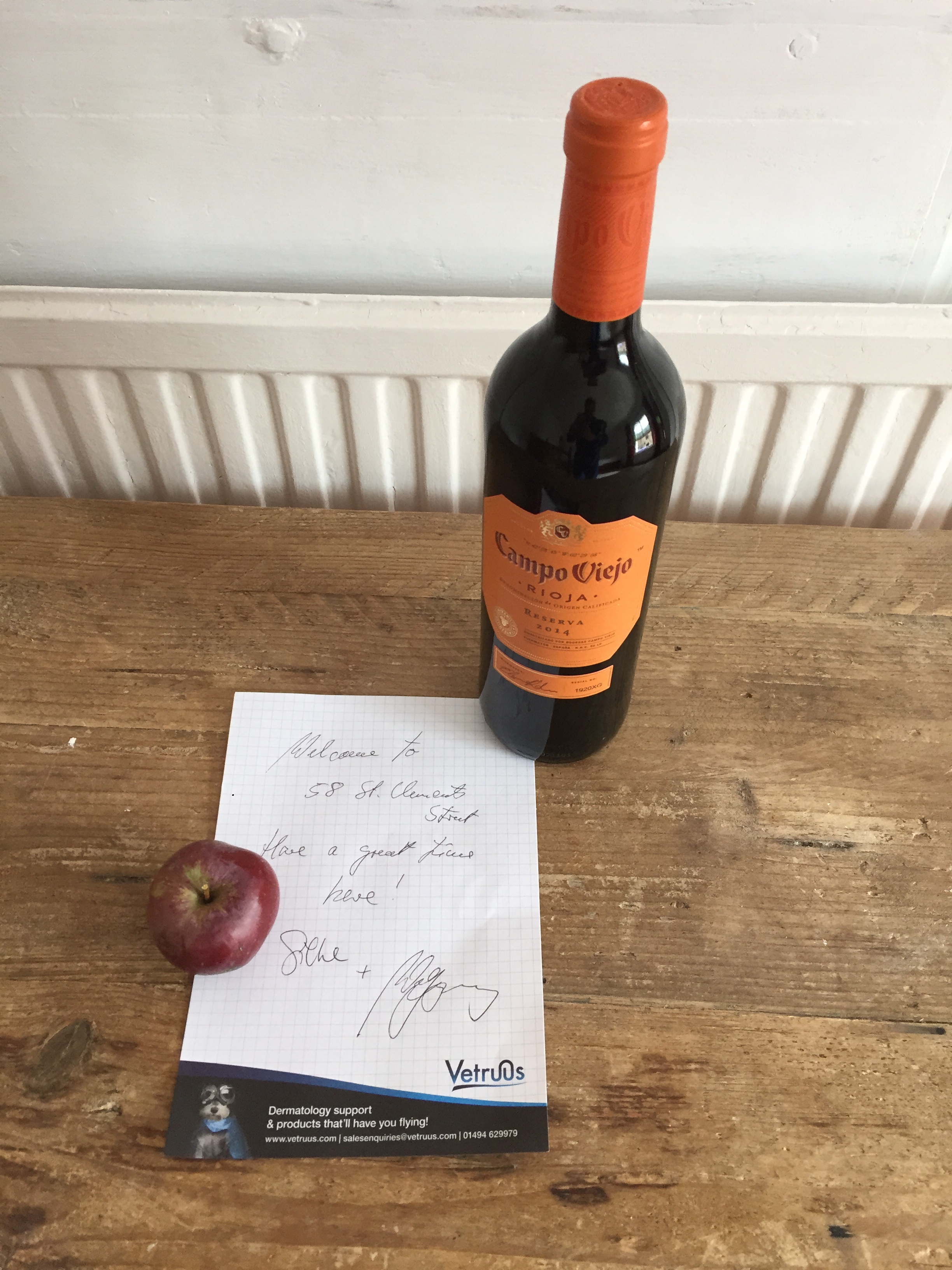 and me looking forward to the next adventure the life as a vet has to offer….
 The Blue Vet Diary