Another day, another place and once again the realisation, that there is so much more to life than veterinary medicine…..
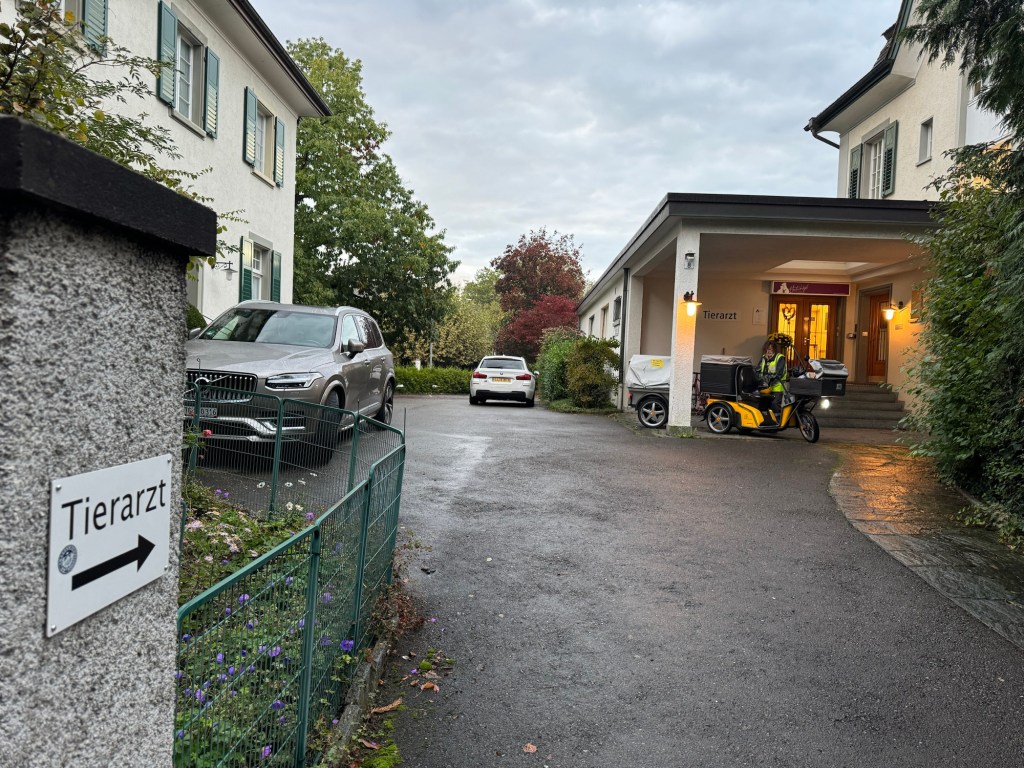
It had been a busy morning at the small veterinary clinic in Frauenfeld, not far from the German border in the North of Switzerland, where I had been working in the beginning of October.
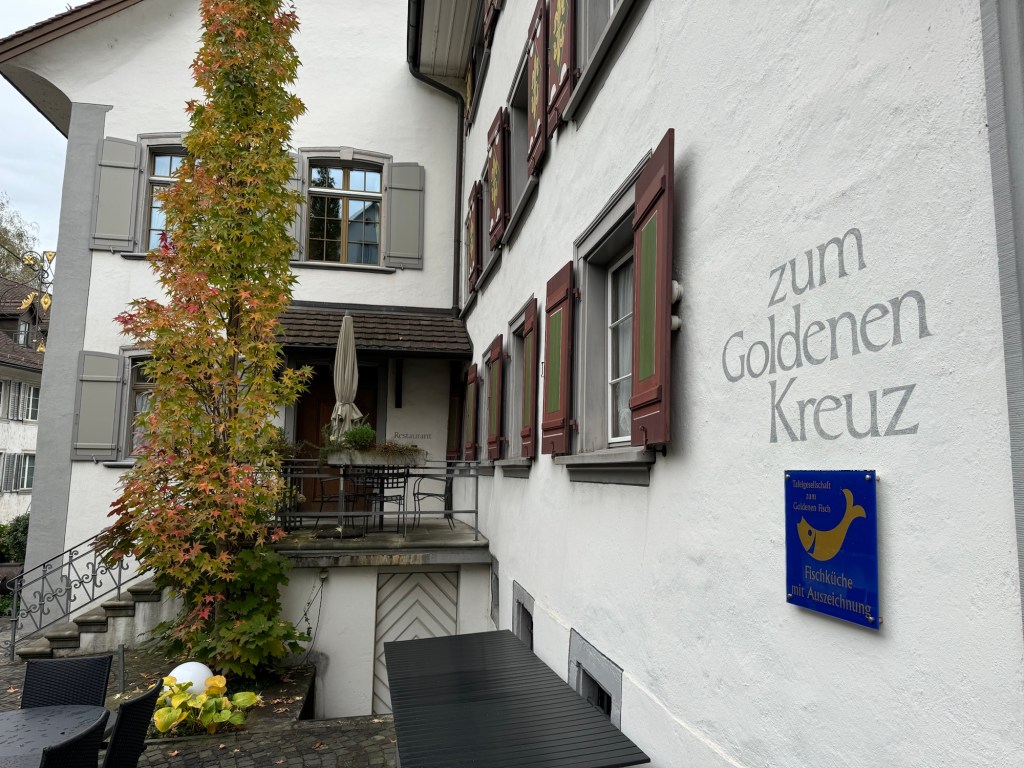
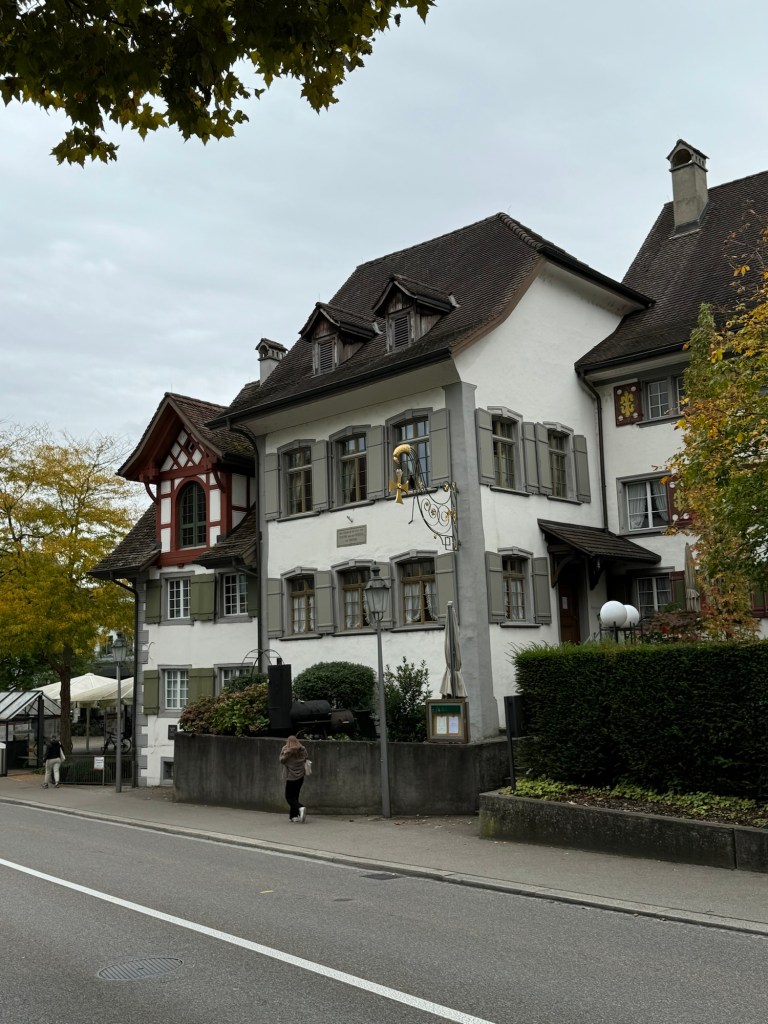
Heading to the town centre for lunch, I passed – on the other side of the road – the “Gasthof zum goldenen Kreuz”, an historic inn with a typical Swiss dormer roof and shuttered windows.
On the front of the building, right next to the golden cross that gave the place its name, I noticed a plaque that caught my attention:
According to this, Johann Wolfgang von Goethe, the 18th century German polymath, had stayed here at the end of 1779.
This came as a bit of a surprise and I thought that it warranted some further investigation…..
Despite having died nearly 200 years ago, Goethe still commands a pivotal role in German culture, somewhat akin to the role that Shakespeare plays in British society, just with the difference that Goethe wasn’t “just” a playwright and director, but as a typical product of the Age of Enlightenment, he also was a scientist, a politician, a philosopher and he probably excelled in everything else that involved the brain….
1779 hadn’t started well in terms of veterinary medicine though: in the beginning of January, Claude Bourgelat, the founder of the world’s first two vet schools – in Lyon and in Alfort in France – had passed away.
It also wasn’t a great year for the British explorer Captain James Cook, who a month later found a somewhat tragic end, when he wasn’t welcome on the Sandwich Islands….
Goethe however had been on his second, very enjoyable journey to Switzerland and he was in the company of the Duke of Weimar, when he stopped in Frauenfeld and stayed at the Golden Cross Inn in December of 1779. While visiting Lucerne, he had come across the tale of Wilhelm Tell, who’s resistance against the Habsburg empire, which in the narrative was embodied by the evil bailiff Gessler, was a key event in the Swiss strive for independence. The figure of Wilhelm Tell remains a quintessential part of the Swiss national soul even to this day.
What Goethe had learnt on this journey had unforeseen consequences, which as well would stand the test of time:
Passing on this tale to another stalwart of German literature – Friedrich Schiller – it resulted in one of Germany’s most famous theatre plays, despite the fact that the author had never set foot into Switzerland.
When being premiered in Weimar in 1804, the performance was directed by no other than Goethe…
Move forward another 25 years and the play had been turned into an opera by Rossini.
The things one could learn in a lunch break…..well, and then it was back to work for afternoon consults !
Btw ….. it appears that both Napoleon and Mussolini chose to stay at the same place (not at the same time though….), but a vet’s lunch break is just too short to cover this as well. May be another time….
A cold front has moved in from the Atlantic and the mountains of the Northern Alps are covered in thick clouds with non-stop rain forecasted…
I am in the middle of a two week locum at a veterinary clinic on the Toggenburger plateau, not far from Lake Constance.
Not the best of prospects for a weekend off in the Alps …..
When I take a look at the weather map though, I notice, that sheltered by the great continental divide which the Alpine peaks provide, the forecast looks very different in the Valais, in the South of Switzerland.
It is 4 hours to the Matterhorn the Sat Nav says…..
So, rather than staying at the clinic procrastinating, I get into the car to start on one of the most scenic journeys not only Switzerland, but probably this planet can offer….
Following an early breakfast at Café Schweizer in Wildhaus, I once again descend into the Rhine Valley just North of Liechtenstein.
Heading South this time, I have soon left the Principality behind me. After passing Chur, I have the choice of continue further South towards the St. Bernadino Tunnel and the serene setting of Lugano, or further West towards the Oberalp Pass – one of the highest road crossings of the Alps.
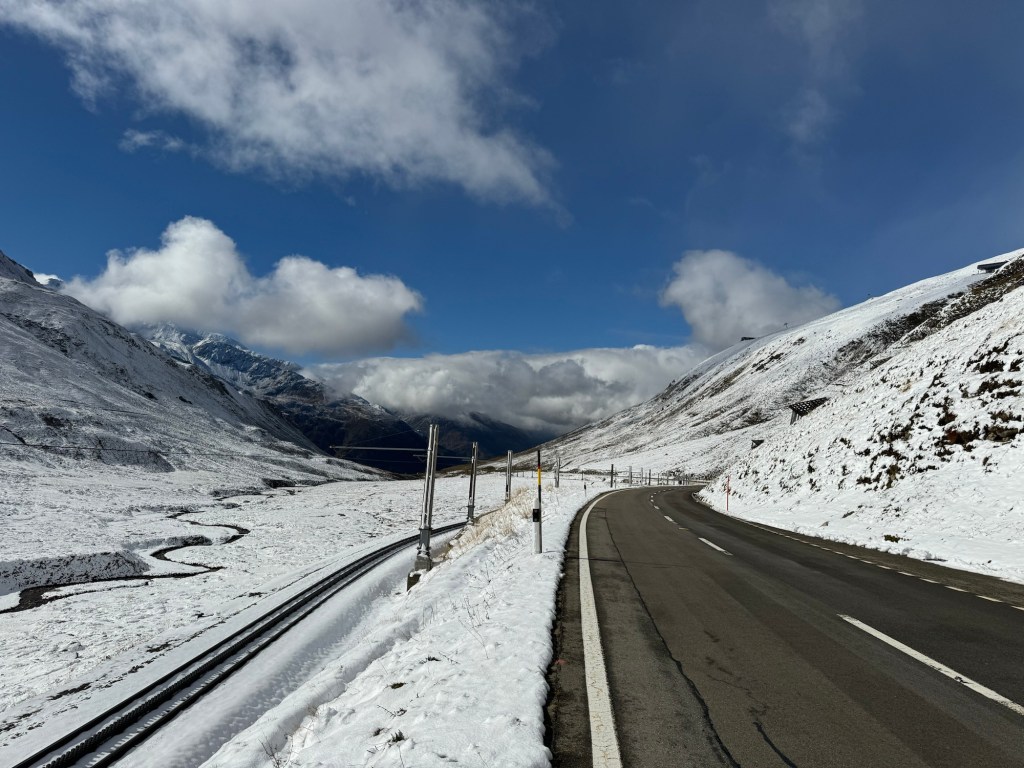
The steadily climbing road here, is running parallel to the tracks of the famous Glacier Express, which is connecting the ski resort of St.Moritz with that of Zermatt on the foot hills of the Matterhorn.
Despite the fact that it is still September, snow has already fallen and started to settle on the pass at just over 2000 m altitude. With some satisfaction, I now appreciate the unseasonably early return to winter tyres on my car. The Oberalp Pass is not far from the source of the Rhine, which embarks here on its over 1000 km long journey to the North Sea.
Once I have crossed the pass, leaving from the canton of Grisons into the canton of Uri, the weather improves as predicted and I am greeted by a blue sky with only a few clouds remaining. The snow capped mountain tops, the green valleys and connecting these, the slowly descending Glacier Express with its bright red colour, make this a picture postcard Alpine setting.
Something that has puzzled me when I started on this journey, was now also becoming clearer: why would my 4 hour trip to the Matterhorn include a couple of train rides?
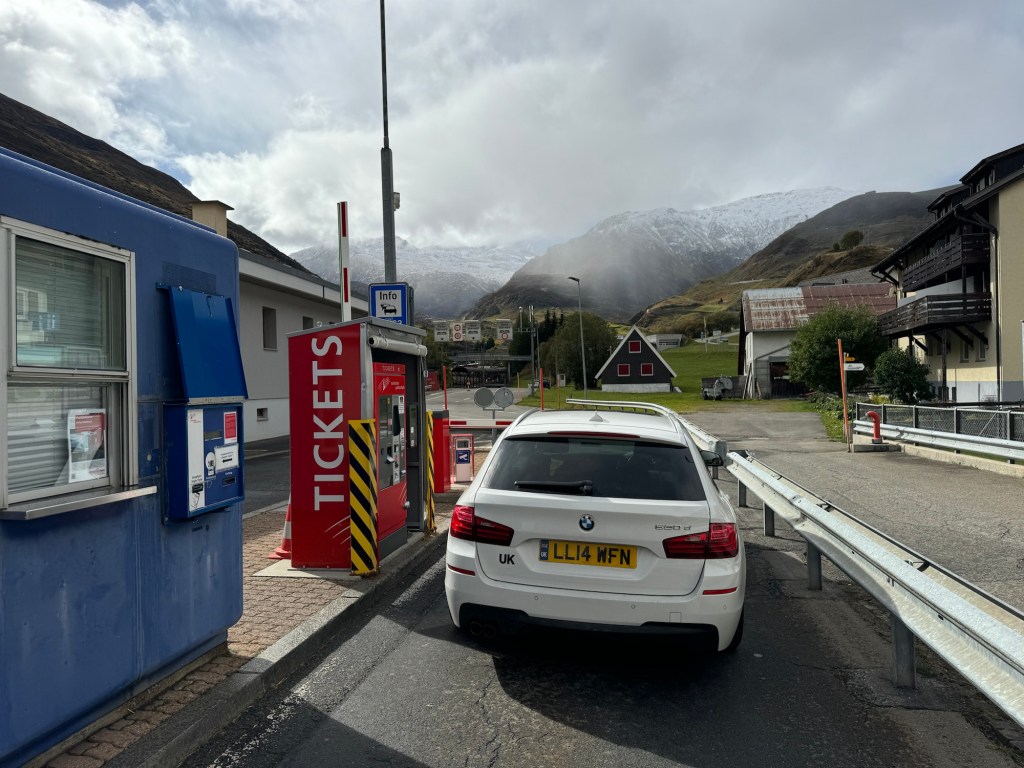
Arriving at the small village of Realp, I appreciate the reason: here the valley comes to an abrupt end and a small railway is offering a direct transfer to the other side of the mountain, with a more basic version of the Channel Tunnel Railway link.
After driving on to an open railway carriage, the train disappears into a dark, completely unlit hole and passengers are under strict instruction not to leave their vehicles. No explanation is needed for this advice: just a few inches away from the car window, the rough edges of the rock wall of the tunnel are flying by, with the probably fairly sedate speed of the train being enhanced by the near complete darkness. Not a good time to find out if someone has an issue with claustrophobia….
The small train eventually exits the bowels of the mountain in Oberwald, right next to another great European river, the Rhône.
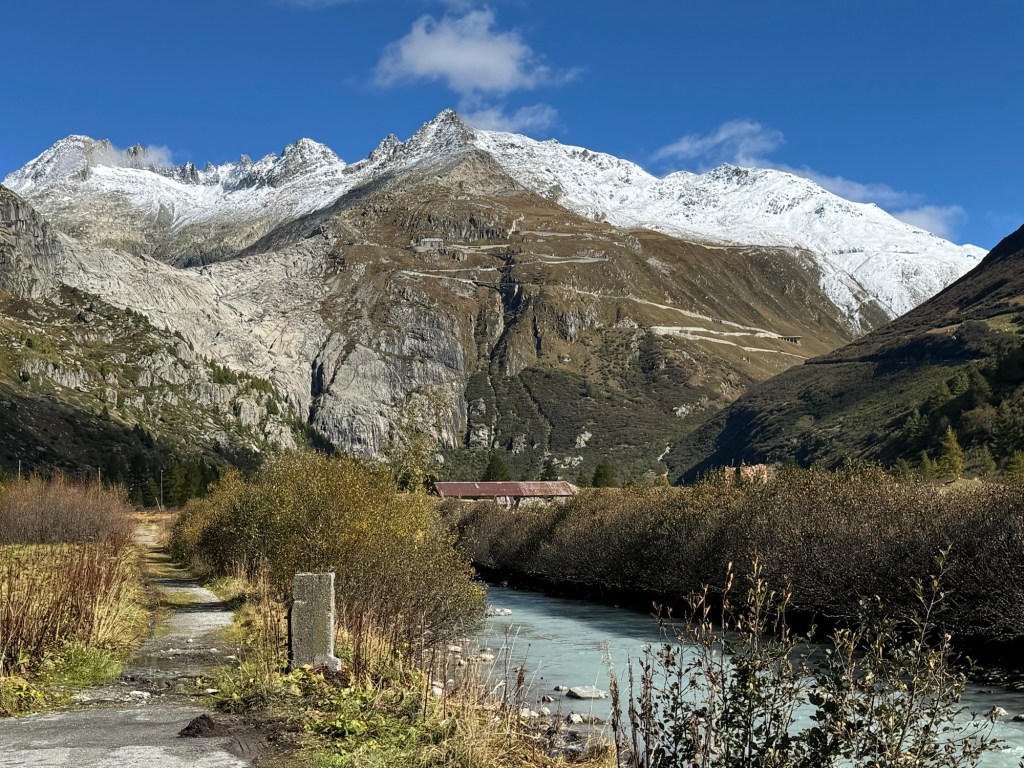
Tracking back a few miles on a narrow mountain road, I can’t resist the temptation to follow the still young river further upstream towards the once impressive Rhône Glacier.
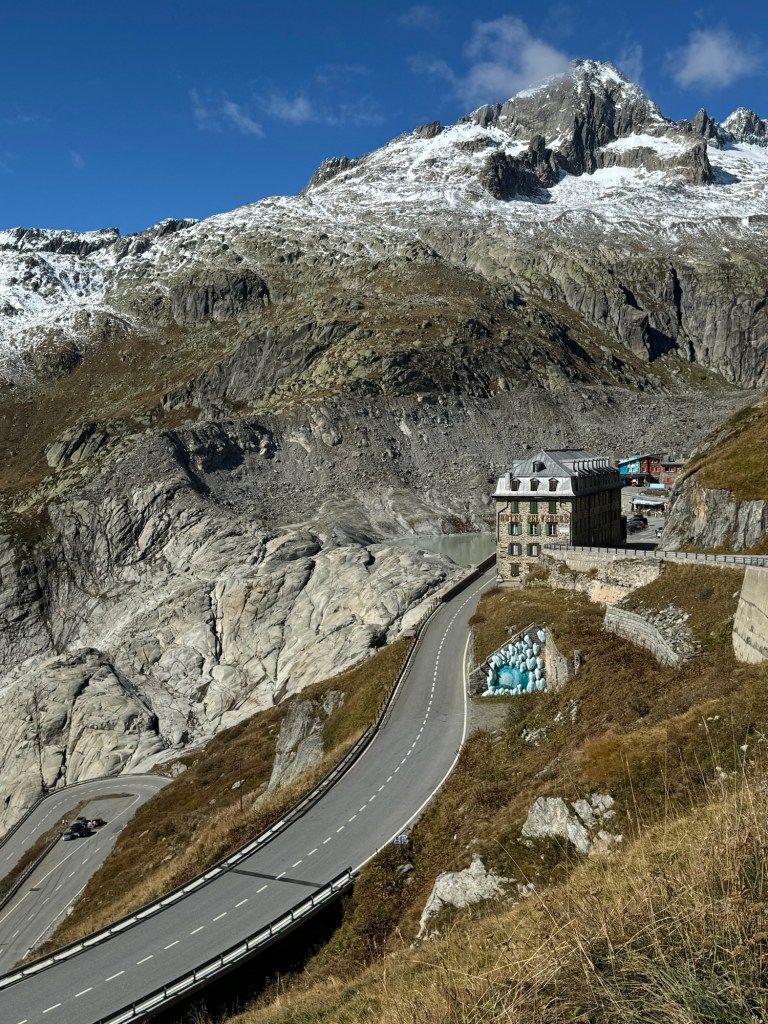
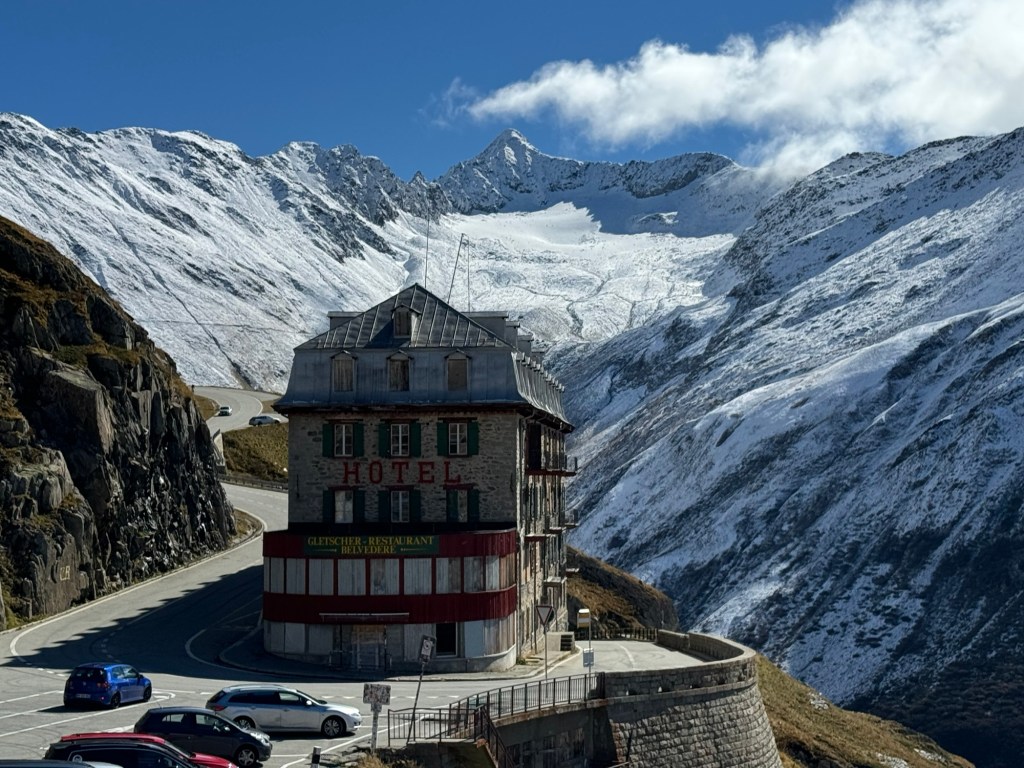
Perched high on the side of a mountain I find the imposing facade of Hotel Belvedere, which 100 years ago was located right next to a large wall of ice, which dwarfed the hotel and the surrounding buildings.
With the hotel now closed, its grandeur and the Belle Époque setting of the early 20th century a thing of the past, what is left of this once spectacular place, is a small pool of brown melt water next to a souvenir shop with a doomsday atmosphere with dated, yet overpriced merchandise, not much helped by its close proximity to a small kiosk selling processed food and refreshments in plastic cups.
A further drive, nearly all the way up to the Furka Pass, and a short hike is required, to see the remainder of the glacier these days.
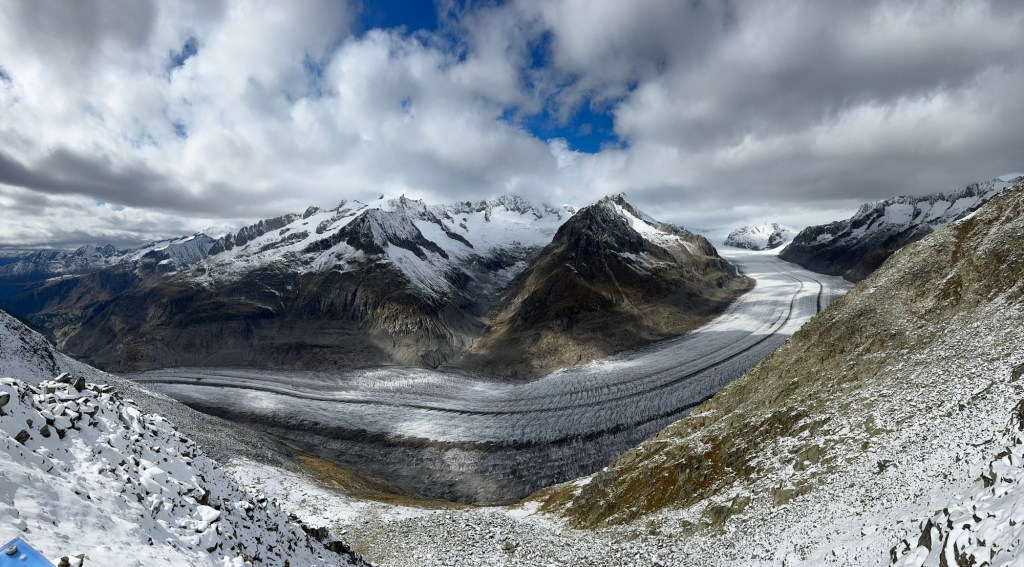
Turning back towards Oberwald, the road is now taking me along the Rhône and all the time along the tracks of the Glacier Express to the largest remaining ice giant of the Alps – the Great Aletsch Glacier.
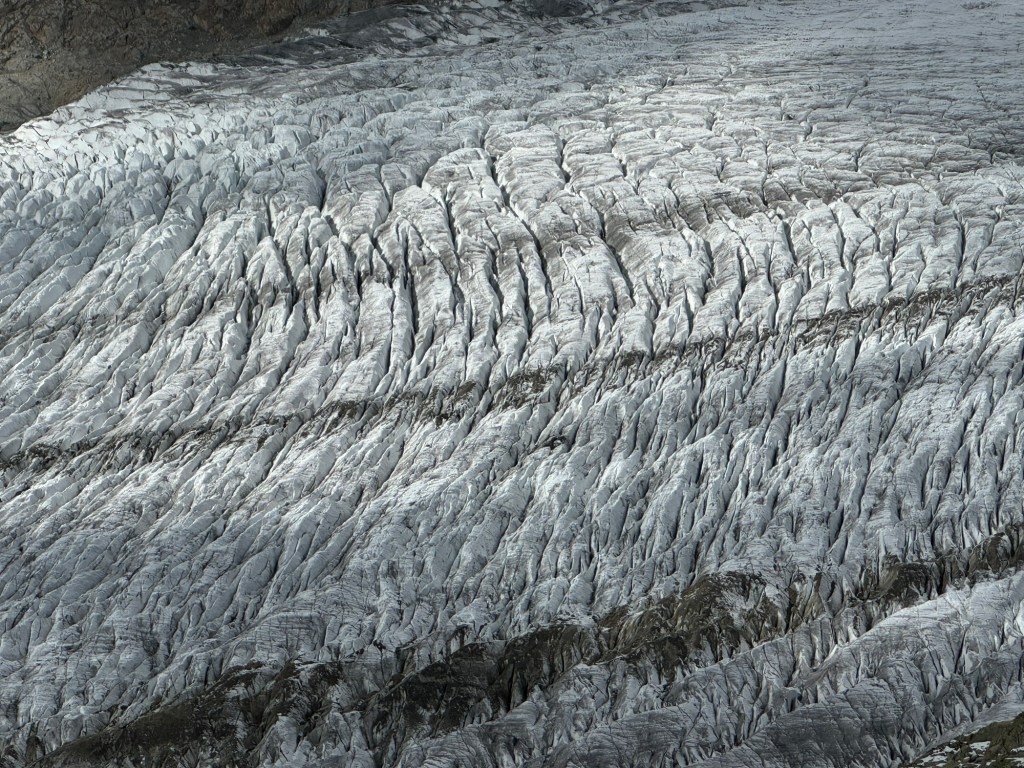
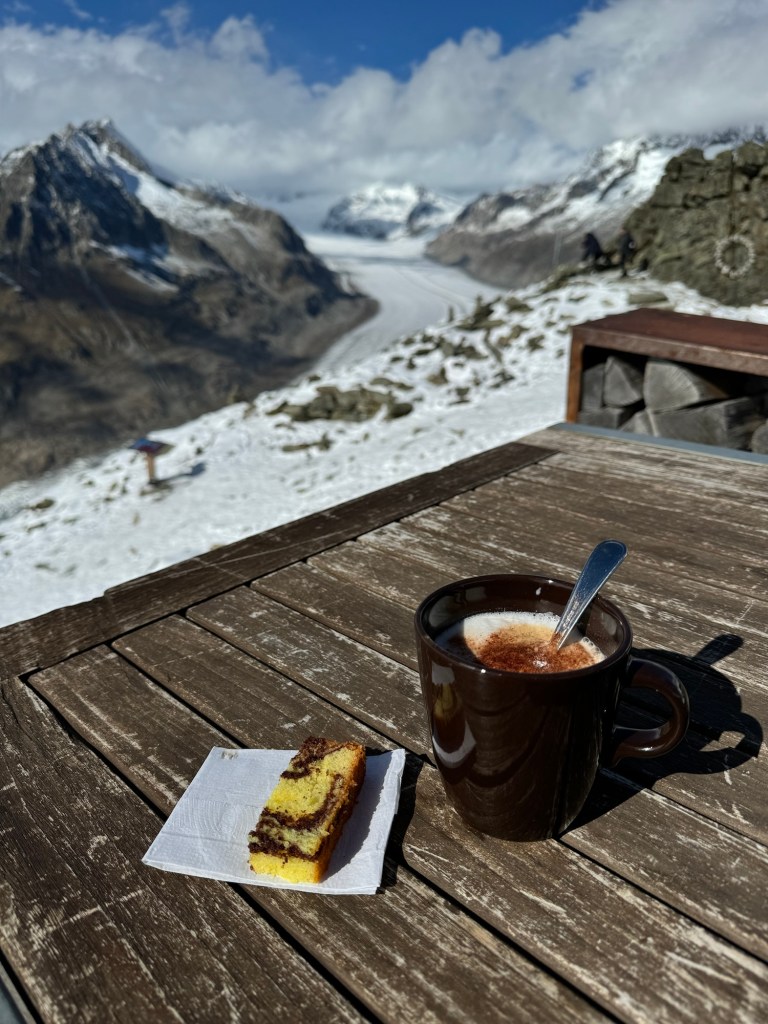
Swapping the warm inside of my aging BMW for a unheated cabin in a cable car, I am being transported close to the summit of the nearly 3000m high Eggishorn, which provides the most stunning view of this body of ice, which over a length of 23 km is steadily moving from the mountain tops of Eiger, Mönch and Jungfrau in the North to the valley of the Rhône in the South, with its melt water finally ending up in the Mediterranean estuary of the Carmargue.
Time for a coffee in the slowly fading autumn sun…..
A few more miles have to be covered though, once I have returned to my car. Leaving the river behind, in the green valley of Visp, the road once again starts climbing through the narrow Matter Valley, which is flanked by 4000 metre high Alpine giants like the Dürrenhorn to the East and the Weisenhorn to the West. Finally arriving in the small town of Täsch, I again have to leave the car behind, to cover the remaining few kilometres to the pedestrianised centre of Zermatt with another train ride.
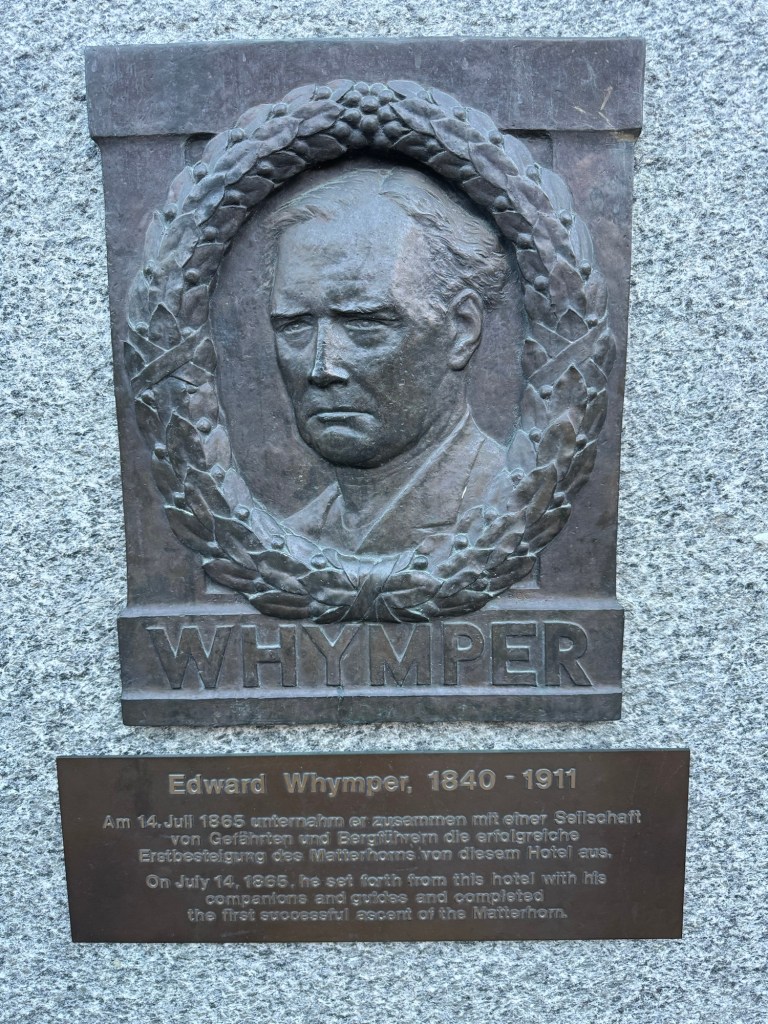
Not as initially planned in 4 hours, but just in time for sun set, I am finally standing at the entrance of Grand Hotel Zermatterhof, looking at the Matterhorn. From here (an extremely serious looking) Edward Whymper set off with his team in 1865, to successful climb this striking mountain for the first time.
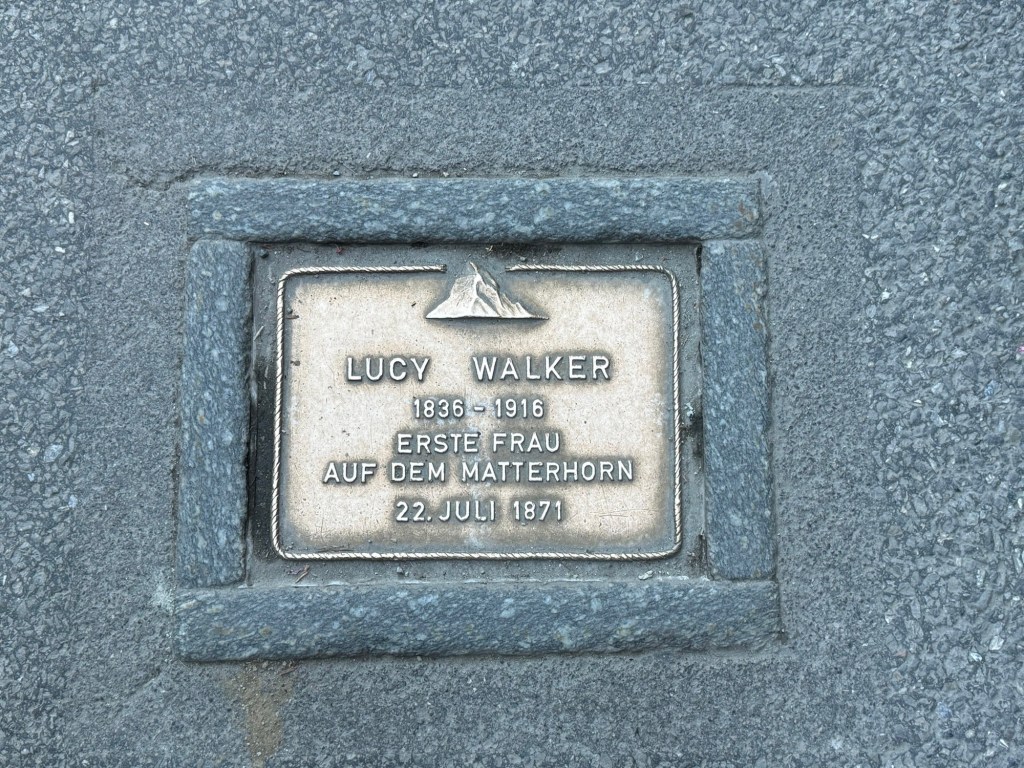
While a fine bronze plaque on a wall opposite the hotel is commemorating this momentous achievement, only a small brass plate in the pavement nearby is mentioning the first female ascent just six years later by Lucy Walker.
Admittedly, the view of the Matterhorn from the urban surroundings of Zermatt at the end of the day is somewhat disappointing, as the sun is setting behind the mountain in the West.
However, with a bit a luck on my side and helped by a very early start the next morning, I am rewarded with a clear sky and the first golden rays of the sun on the top of the Matterhorn and the surrounding mountain tops.
It had been of no avail……I was grounded on a small airstrip, hundreds of kilometres North of the Polar Circle…..
Yes, it was true, that on the previous day, the wing of my plane to Oslo had clipped a building while taxiing at Gatwick airport, so that an alternative machine had to be found.
While this had delayed my flight so much, that I had missed my connection to Narvik on that day, I thought that I had been pretty smart by attending to the office of the rental company at Gardermoen, to inform their branch up North, that I would collect my car the following day.
After spending a night in the Norwegian capital with my veterinary colleagues, who were pleased to have an unexpected visitor, I caught the next available plane the following afternoon.
Needless to say though, that when I arrived at the small airport just East of the Lofoten Islands, my message had not been relayed, my car was gone and there was no other car to be had….neither at my own rental company nor at any of the competitors.
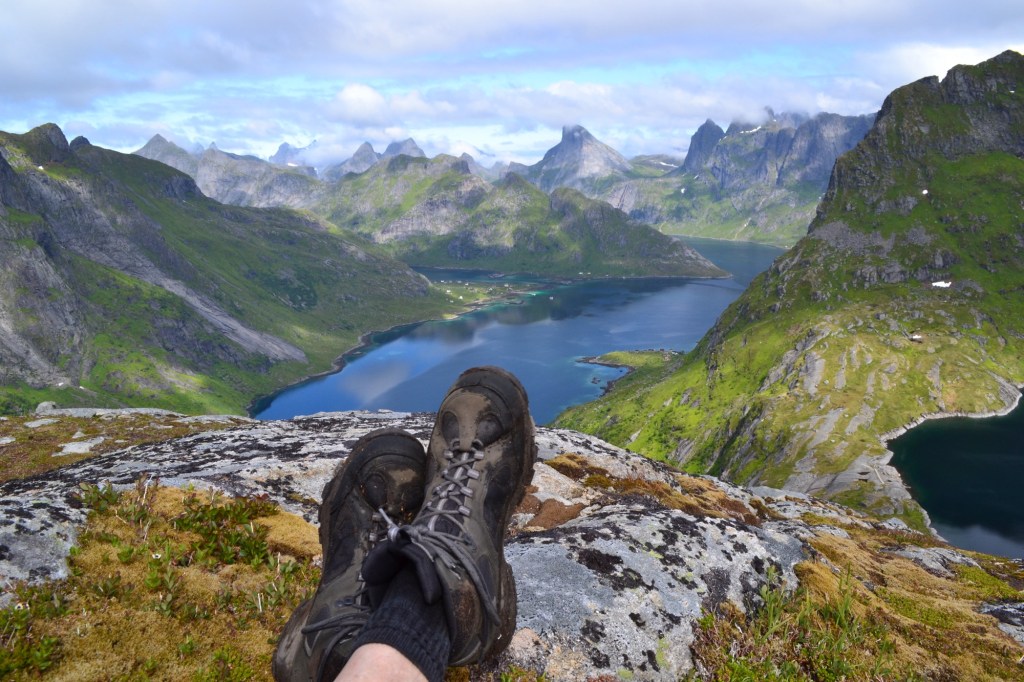
I just couldn’t believe it….the sun was shining, there was a blue sky with virtually no clouds and towards the horizon, one of the most scenic coastal landscapes in the world was beckoning me, while I was without any means of transport.
Public transportation wasn’t an option, as there was a bus only a couple of times a day connecting just the main towns. Moreover, it was unlikely that the driver would have been inclined to stop when I saw a good photo opportunity or agree if I wanted to make a small detour.
To travel independently, I needed my own transport.
I had pleaded, I had begged, I had shouted and I had sworn in both English and Norwegian and possibly even with a few German words thrown in. I had made it clear that pretty much any vehicle would do. I would even have agreed to a motorbike…
It was just hopeless…..as it was the middle of the summer, all cars were gone or booked up already.
After entertaining the small arrivals hall with my theatrics for the best part of an hour, the young clerk from my rental company approached me, clearly impressed by my perseverance (and probably hoping to finally getting rid of me…..) and at last offering me a solution:
100 kilometres away in Sortland, they had allocated a small two seater van for me. Getting that vehicle would require a three hour bus journey, but I could keep the car for a week and it would allow me to travel independently.
I could have kissed the man…..
The bus was leaving half an hour later and after an uneventful coach journey, I was eventually presented with a car key and a small van, which, to add insult to injury, made me a rolling advertisement for the rental company that had so spectacularly let me down….
Well, I really didn’t mind, as this little van was providing me with a roof over my head for the – at that time of the year non-existent – nights and with ample space for my hiking gear.
A couple of days later, I had visited the postcard towns of Svolvær and Henningsvær, I had stayed in a Rorbu cabin in Reine and I had travelled to the town with the World’s shortest name: “Å “……
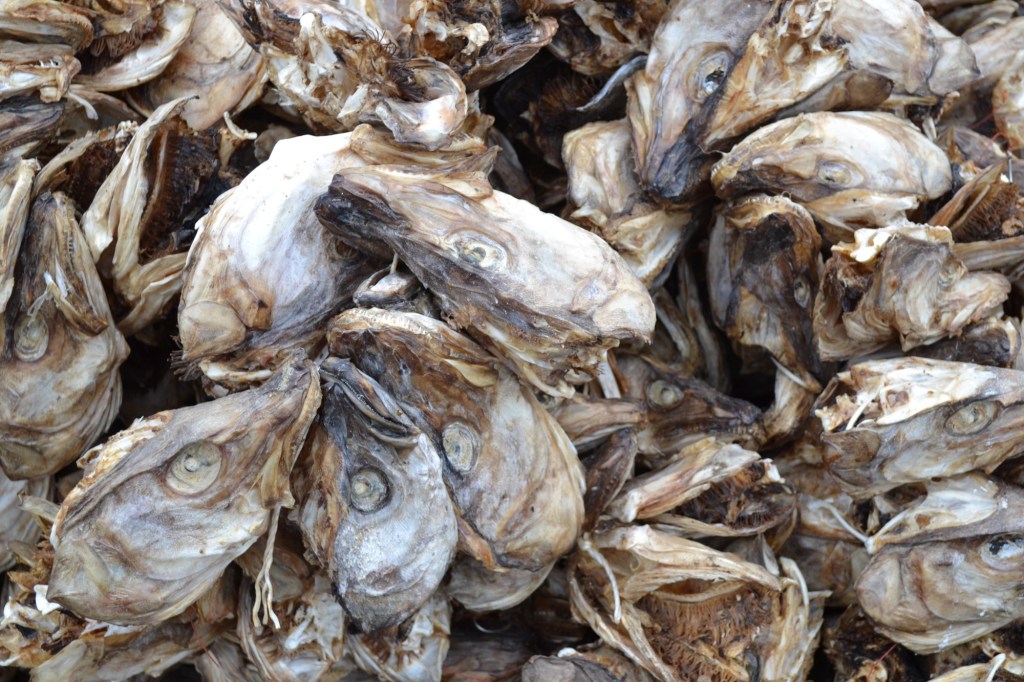
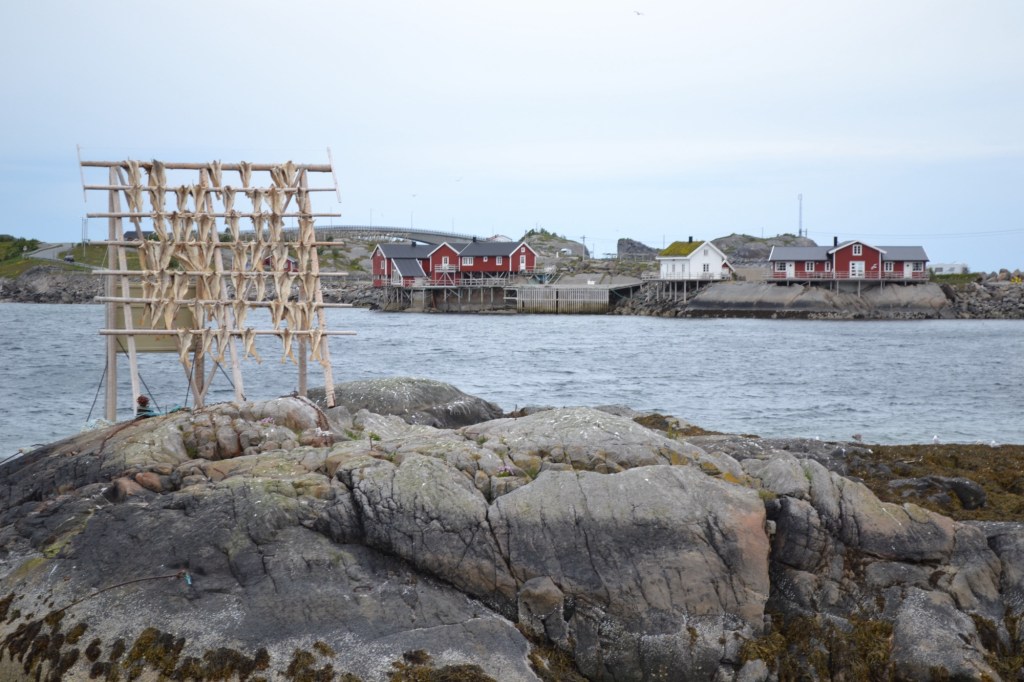
One of the most characteristic features on this journey were the rows and rows of wooden scaffolding, that were used to dry North Atlantic cod, one of the main streams of income for the local fishing industry.
So important was this food source, that the inhabitants of Å had dedicated a whole museum just to dried fish.
It was here that I learned that despite being available all over the country, the main bulk of dried Norwegian cod was exported, to a country further South on the Atlantic coast: Portugal…..
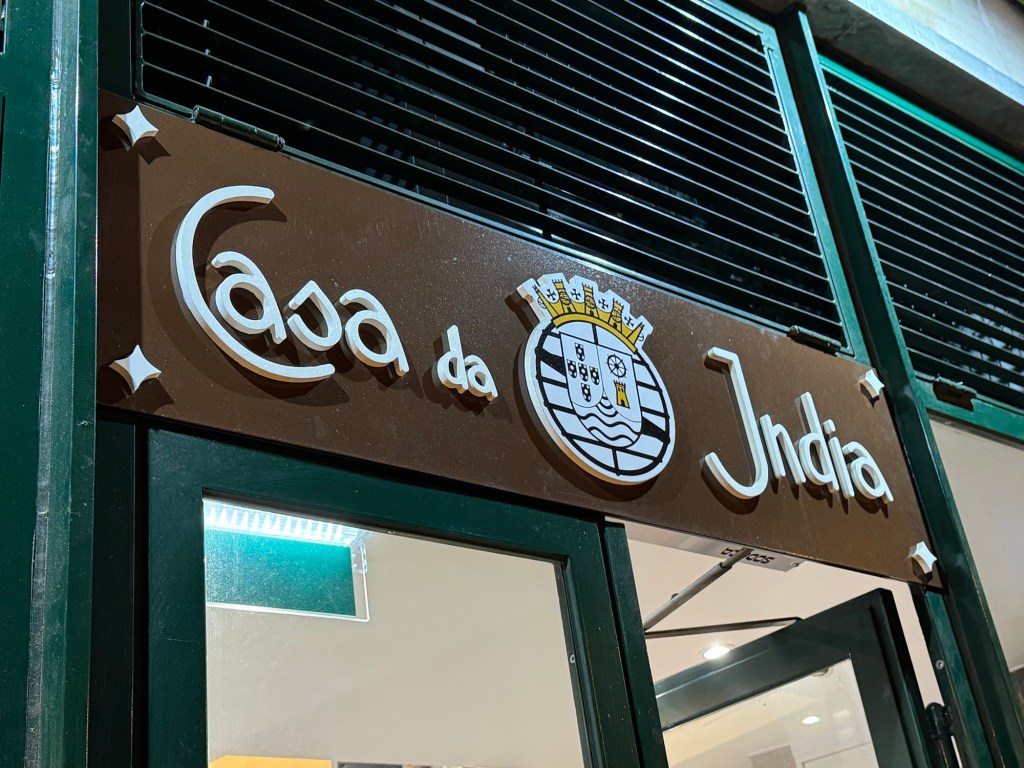
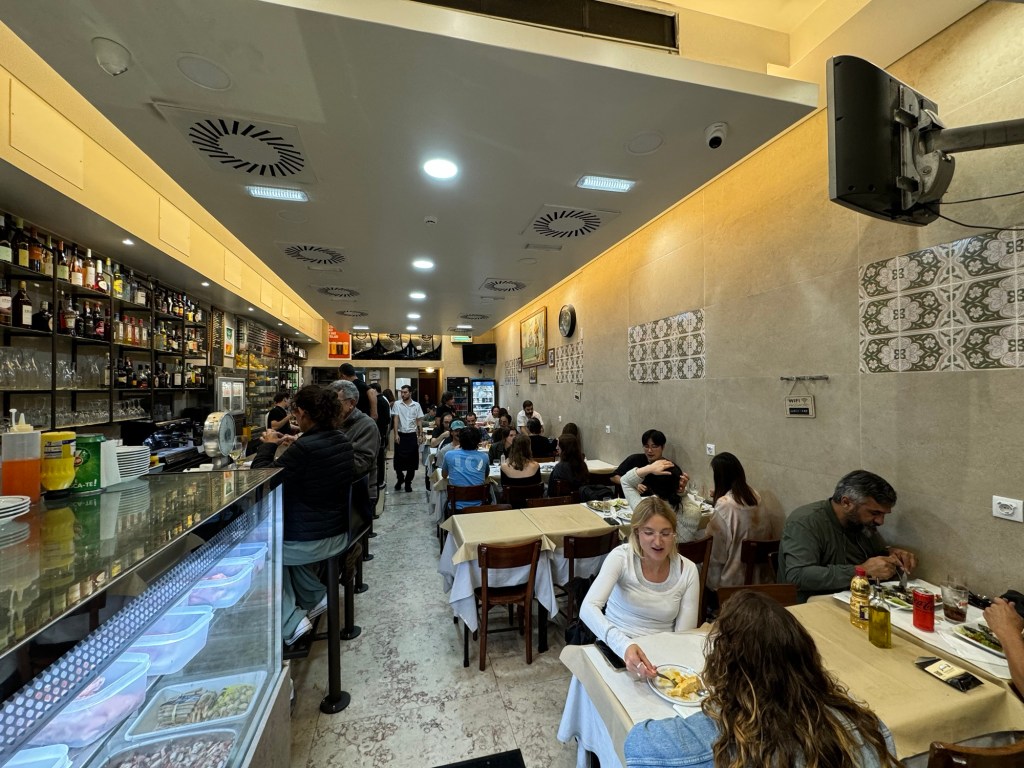
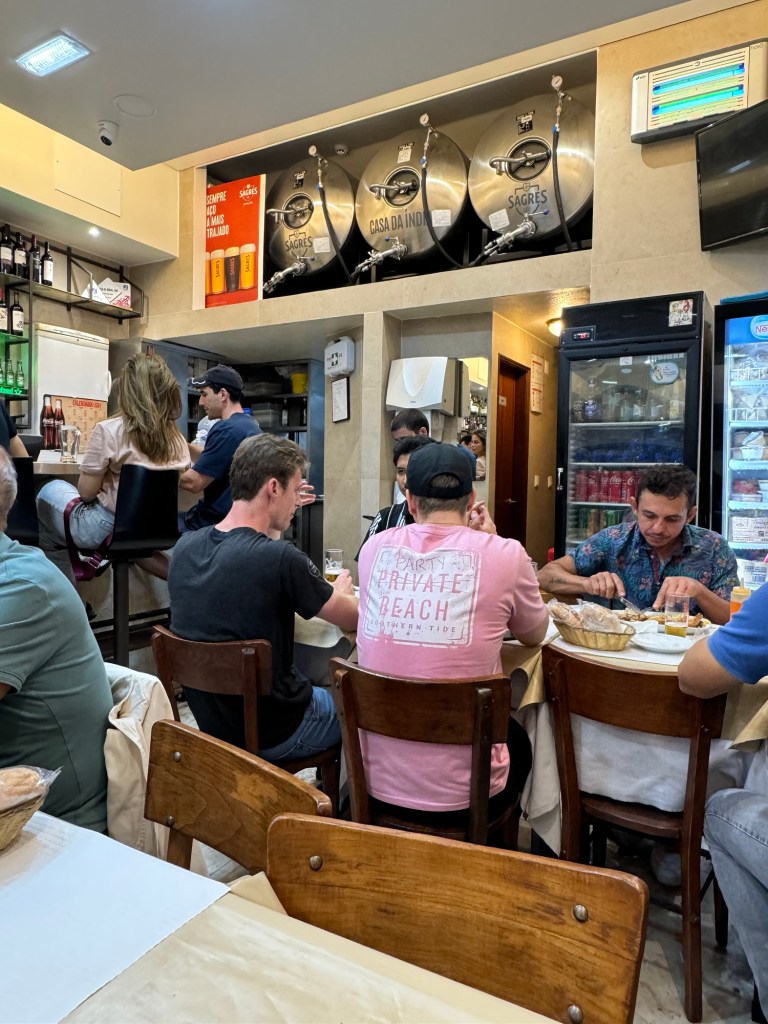
It is 12 years later and with no rental car issues this time, I am sitting together with Neca Jerkovic, one of Slovenia’s best veterinary surgeons, at Casa da India in Barrio Alto in Lisbon.
I had met Neca a couple of days earlier at the local vet school, while she was busy opening the chest of a dog by cutting through the middle of the its sternum – not the best time for a casual conversation…..
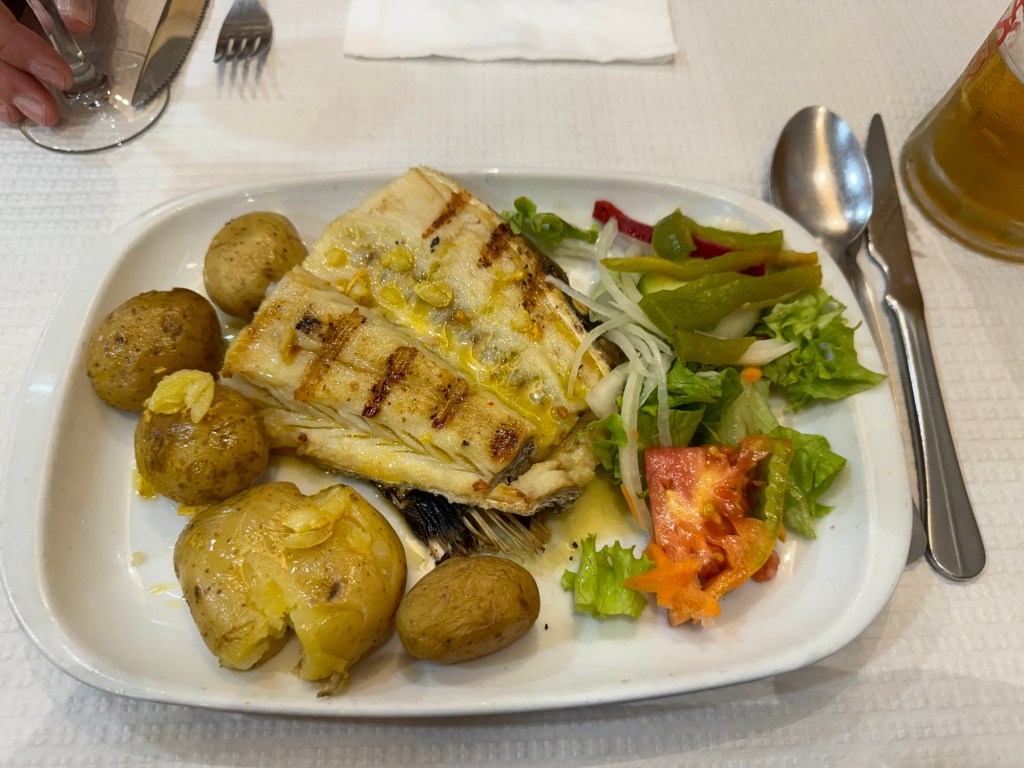
My companion had suggested this unpretentious eatery as one of the city’s best places for seafood and sure enough, here I was once again confronted with Norwegian cod and with the memories of my visit to the Lofoten Islands.
Gutted and then dried in the fresh, unpolluted air along the polar coast, seasoned with the salt of the North Atlantic, bundled in this desiccated state which makes it so much easier to transport and shipped along century old trading routes to the South of the continent, there replenished with water of the Tagus, and married with Mediterranean vegetables and lemon juice, in front of me I found a very simple dish that was in fact a true delicacy.
After a busy day at the faculty, I could have chosen a worse places to wind down, than the historic setting of A Brasileira do Chiado, one of Lisbon’s oldest coffee houses.
Adraino Telles do Valle, a Portuguese merchant, who had married into a Brazilian coffee planter dynasty at the end of the 19th century, had established this place to both introduce this until then unknown and unappreciated drink to the city’s society, as well as to provide a place to meet and to mingle for academics, philosophers, students, artists, writers and especially for journalists, which he admired.
Passing through the richly decorated front door at Rua Garrett 120/122, the first thing I noticed on my right, was a newspaper stand displaying a number of Portuguese magazines – a rare sight these days, but always a good indicator for a café where you can enjoy a cup of coffee and a read without feeling rushed.
My view then travelled along a counter of dark wood with functional brass fittings, displaying a nice selection of pastries. From the high ceiling, three chandeliers were suspended, which together with the indirect lighting along the walls, illuminated a number of large paintings that were on subtle display above the eye level of the spectator.
As it was already late, I had no problem finding a small table near one of the display cabinets at the rear end of the room.
After ordering the obligatory combination of a Pastel de Nata and a Bica – an espresso, which I preferred to drink the traditional way: with a bit of sugar – I turned to a volume of Portuguese poetry, which provided a fitting counterpoint to the scores of tables and bland scientific data that had occupied me throughout the day.
Immersing myself into a few lines by Fernando Pessoa, who himself had been a regular visitor of this place, it read:
Uns, com os olhos postos no passado,
Vêem o que não vêem; outros, fitos
Os mesmos olhos no futuro, vêem
O que não pode ver-se.
With one eye on the past,
some see what they cannot see,
whilst others, with one in the future see
what can not be seen.
I ordered another Bica….
Pessoa had written these words under the pseudonym of Ricardo Reis, one of his over seventy (!) heteronyms or alter egos.
It carried on with:
Porque tão longe ir pôr o que está perto –
O dia real que vemos? No mesmo hausto
Em que vivemos, morreremos. Colhe
O dia, quoque és ele.
Why go so far for what is so near –
The actual day that we can see? In a single breath
We live and die. So seize the day,
for the day is what you are.
How true I thought …..
All too soon the café was closing and when leaving the place, I was passing a statue of the great man, who was sitting among the outside tables in quiet contemplation – like his poems – for us to enjoy into eternity.
Despite my late arrival the previous day, I was awake well before sun rise the next morning, due to the constant noise of 7000 cars passing every hour 50 meters above the window of my room. In addition to this, there was a regular interlude caused by one of the nearly 200 trains that over the course of the day took the same route.
I was back in Lisbon and this time, I was living below a bridge, albeit a rather impressive one.
Opening the double layered curtains of my tripled glassed window, which had tried, but failed to keep the traffic noise out of my hotel room, I was staring directly on to the name of the mega structure, which was displayed in bold letters on one of the steel and concrete pillars of the bridge.
The “25th of April Bridge”, which used to be the world’s fifth largest suspension bridge when it was built in 1966, spans the Tagus River and by this, connects Lisbon with the South of the country, without the need to circumnavigate the estuary of the river. The equally impressive and even longer Vasco da Gama Bridge, which is crossing the whole estuary, was added over 30 years later.
Stabilised by enormous amounts of American steel, the bridge was constructed by the same company that also built San Francisco’s Golden Gate Bridge.
Initially called the “Salazar Bridge”, its name was changed immediately following the Carnation Revolution in April 1974. When visiting Lisbon, it is hardly possible not to notice this giant structure.
Somewhat unimpressed by so much technology and history, I found myself an hour later at the hotel reception, asking for a room at the other side of the building. I was in Lisbon as part of an international delegation to visit the local veterinary faculty and as the whole week was packed with work, I knew that a few hours of decent sleep in between would be vital to keep me going.
Needless to say that the hotel was fully booked and the promise of the management to find another room for me on one of the following days never materialised ….
This meant, that I had to accommodate my noisy neighbour and, like the people in this part of Lisbon, I had to adjust to life below the bridge.
When running along the river in the morning towards the Monument of the Discoveries,
the bridge became the starting as well as the end point of my exercise – a point of reference that was visible all the time.
The lights of the bridge and of the cars on the upper platform were reflecting in the water of the river at night and by this they enhanced the image of the monument of Christ the King, located on a hill at the Southern shore and illuminated in a maritime blue light.
The Brutalistic architecture of this giant structure with its huge concrete pillars had – like a spaceship from another world – forced itself into a 19th century Portuguese working class neighbourhood and yet life below the bridge continued to carry on and was possibly even enhanced by the stark contrast of these two building styles.
Lisbon’s signature trams had maintained their depot below the bridge and its colourful carriages continued their sedate journeys while hundreds of cars crossed at the same time its pass at much higher speed 50 m higher up.
Alongside small cafes, selling the quintessential Portuguese pastry “Pastel de Nata”, a whole community of artists and dressmakers had found a new home in the abandoned buildings of the LX Factory.
Here a huge wasp was clinging to the wall of a hostel,
Jaqueline de Montaigne murals were decorating the once grey outside of factory buildings and in regular intervals, portraits on painted tiles by Bastien Tomasini were engaging with the visitor.
One of the concrete pillars of the bridge had been used as canvass for a modern still life, contradicting the static nature of the structure with various items that were precariously balanced or even caught in mid air.
Based in the centre of the factory was the huge book store “Le Devagar”. Featuring a large printing press in the middle of the shop and book titles were staged up to 10 meters high against the wall. This place clearly required book sellers with a head for heights.
Named by the New York Times as one of the best and quirkiest book shops in the world, you could get lost here in rare as well as timeless classic titles from Portugal, from the Portuguese diaspora and from the rest of the world.
The next morning I woke up to the ringing of the alarm clock following a good night sleep and I realised that I as well had started to adjust to the life below the bridge.
The door to the small balcony was left open and the light of the full moon came flooding into the room. A few fair weather clouds featured on the otherwise blue sky, the shadows of the bannister and the chair produced pitch-black lines on the floor, so that the whole scenery would have given a perfect background for a Magritte painting.
Right below the balcony, there was a sheer drop of several hundred meters into a gorge, which was lined by a Sea of olive trees. A small stream at the bottom of it led all the way South towards the brightly illuminated harbour of Itea and to the Gulf of Corinth.
Driving through the night, along narrow unlit roads, across the mountains, I had arrived late at the hotel and yet, I was up again early to witness a spectacle that had drawn people to this place for thousands of years: seeing the first rays of the sun illuminating the temple of Apollo, the home of the Oracle of Delphi.
What makes this place so special, are not only the ruins of some of the world’s once most spectacular buildings (especially if seen with the eyes of a shepherd or a sailor over two thousand years ago….), but also its location and its orientation towards the celestial bodies of the Northern hemisphere.
The whole religious complex is South-East facing and once the sun has risen above the saddle of Arachova in the East, the temple is flooded with light, while the land below remains in darkness. No wonder that the ancient Greeks considered this place to be the centre of the world I thought and it reminded me of the similar effect at the equally spectacular site of the monastery of the Black Madonna of Montserrat in Catalonia.
What a great way to start the day !
Sadly the restricted area with the temples didn’t open before 8 am, but that was still early enough to beat the crowds and to meet today’s inhabitants of the site, who appeared to be completely ignorant about the importance of this place for human civilisation.
Unfortunately as well, there was no opportunity to consult the oracle on the future journeys of the Blue Vet, so that it remains a matter of ‘wait and see’ if you want to find out…….
Returning from the truly remarkable setting of the small church of Agios Ioannis, which is precariously placed on top of a large rock at the weatherbeaten Northern shore of the Sporadic Island of Skopelos,
I was sitting over a beautiful traditional Greek dish of octopus with herbs in olive oil and vinegar,
when my thoughts trailed off to a memorable event many years ago in Central America….
It was at the end of my course at Hanover Vet School, when I decided to spend a few months in Guatemala and Honduras, to learn Spanish and to travel through this exciting and colourful part of the Globe.
Felling very lucky that I had just survived the short flight from the Honduran mainland to the small Caribbean island of Utila, where I had found myself, due to a shortage of remaining seats, in the vacant co-pilot seat, I had decided to make use of the remaining hours of daylight and to go snorkelling.
Near the sandy outcrop on the island’s Southern shore, which functioned at that time as a landing strip for planes, I had planed to investigate the fuselages of a couple of small aircraft I had seen during the descend, which had not been so lucky and had ended in the shallow water among the corals……
The water was warm and clear and tropical fish could be found in abundance. A large green moray eel was passing a few meters below me from one hide out to another.
I soon reached the remains of one of the small aircraft and while I was inspecting the surprisingly intact structure, I spotted nearby, underneath a small rock a sizeable octopus. With no firm dinner plans that day, I grabbed the struggling mollusc and with a swift cut of my diving knife, severed most of its donut shaped brain from its satellites in the eight tentacles that had entangled my left arm.
Back on land, I tenderised my catch in the traditional Mediterranean way by slamming it multiple times again a rock, before walking back into the village.
Crossing the small bridge that connected the airport with the harbour, I was happy, that a few of my hunter-gatherer genes had survived six years of academic work and I prepared myself for the respectful looks and comments of the locals, which I had much appreciated when hunting these animals in the Cyclades.
But how much more wrong could I have been ? ….
When I was spotted by the first villagers, their eyes widened, their pupils dilated and there were suppressed mutterings of utmost revulsion.
In no time, a group of people of all ages had gathered, with some of them pointing at the deceased cephalopod I was carrying.
Eventually, a young girl approached me, to find out, why I had caught the octopus.
When I replied that this was supposed to be my dinner, utter pandemonium ensued and the islanders had found a story, that would keep them entertained for weeks.
“Nobody eats such a thing here!” one women was shouting.
Another was adding: “That is disgusting! We call it the “cat of the Sea”!”
The final humiliation came from my landlady, who was equally displeased, when I approached her house:
“Your are not coming near my kitchen with this thing !”
I don’t think, that her instructions could have been any clearer…..
Thankfully, as a student travelling on a shoestring budget, I had my own cooking utensils with me and with the help of some tomatoes, onions, a few herbs and some lemon juice and – of course – some Honduran beers, I didn’t have to go to bed hungry that day.
Returning to my octopus in the small restaurant on Skopelos, which was a true delicacy, I appreciated how different the perception of the same thing can be in different cultures.
Octopuses, as recent studies have shown, are highly intelligent, sentient beings.
As a veterinarian, I have no misgivings about my conduct at that time, but as much as I am enjoying these creatures in most of their culinary varieties, I am somewhat pleased, that I don’t need to hunt them any longer myself and I hope that these clever animals will continue to be caught from the bottom of the Sea and not as a mass farmed animal from a tank.
And this time for a change one that will include a case of potential espionage and a visit of the American Embassy….
I am in Athens, in the middle of September. It’s by far not the first time I am here and I just love this city:
I had just attended the annual FECAVA Congress at the local Concert Hall. Here, I had once again the opportunity to see a lot of my international friends and colleagues, to attend a number of lectures to improve and to refresh my veterinary knowledge and – in the evenings – to catch up on the lives, the news and the plans and ideas of my friends, over plates of Tzatziki, Moussaka and Souvlaki, all washed down with decent quantities of Greek wine and Ouzo.
But after every night, there comes a next morning and this one was glorious – as so many mornings in Europe’s oldest Capital city.
Starting my run just before 7 am in the Metaxourgeio area in the centre of the city, I estimated that the broad shoulders of Mount Hymettus in the East might give me about thirty more minutes of shelter from the scorching rays of the late summer sun in this part of the world.
Working my way slightly uphill in a Southerly direction towards Syntagma square and the Monument of the Unknown Soldier, I was surprised by the number of people on the streets at such an early time on a Sunday morning and equally about the numerous homeless people, who seemed to have used any crevasse of the urban architecture as some form of shelter to get a precious few hours of safe and undisturbed sleep.
Taking just a brief look at the elite soldiers at the Hellenic Parliament, in their traditional uniforms which included the probably most impractical foot wear that was ever issued to a military unit, I took the first opportunity to leave the sounds and smells of the early morning traffic behind me and entered the now open gates to the National Garden to my left.
It was easy getting lost here in the labyrinth of sandy trails, that were so much kinder to my feet than the uneven pavements of Monasteraki. The air was now filled with the sounds of small flocks of parakeets and the view was that of a combination of Mediterranean and sub-tropical plants, interspersed from time to time with the busts of long deceased famous members of Hellenic society.
Exiting the garden at the other end, it was just a short distance to the Panathenaic Stadium, the site of the first modern Olympic Games in 1896. Once again, my (and that of a few other morning runners) hope, to add a round on its famous track to my urban excursion was dashed, due to urgent repair work that had started just a couple of days earlier.
So, not point to linger, but to press on along the still empty dual carriage way of Vasileos Konstantinou Ave, towards the main aim of my excursion.
Just as I was falling into a steady stride, I had to make a further stop due to the unexpected encounter with a rather famous fellow pedestrian, who was emerging from underneath the branches of an ancient olive tree.
While the length of my run was not in the least comparable to that of the Salt March in 1930, I now felt invigorated to cover the remaining distance along the road, before the sun had reached the saddle of Mt Hymettus.
Just in time, I reached the perimeter fence of the Embassy, where I took a break to check up on an interesting story I had heard the previous night….
While having dinner with Wendy, my Curaçao born colleague from Luxembourg, images had surfaced of a cat, which had been noticed by several delegates of the nearby held conference for sitting completely motionless and seemingly oblivious to any passing pedestrian, next to the pavement, constantly monitoring the fence and the Embassy building behind it. This unusual behaviour had raised the question, if following the previous examples of trained dogs, rats, dolphins and even beluga whales, foreign adversaries had now enlisted also a cat for their surveillance tasks.
A story just too good, not to be investigated I thought….
Sadly, when I arrived at the pivotal point of my run, there was no cat in sight. Just as I was about to leave though, suddenly, from behind the fence, the infamous feline emerged and after investigating me briefly, continued with her morning routine of cleaning herself and observering the grass on both sides of the fence.
As curious as last night’s story was, here I found just a perfectly normal, clever urban cat, that was using the near impenetrable border of one of Athens’ most guarded residences as a means of camouflage to stalk rodents on the other side of the fence.
After taking a few photos and just before drawing too much attention to myself as a potential spy, I took my leave and was now heading for the physically most challenging part of the run: all the way up the Eastern slope of Lycabettus.
Lycabettus, one of the natural elevations within the inner city, is another obligatory site to visit when travelling to Athens. The somewhat demanding climb, which is best done early in the morning or in the evening just before sun set, to avoid both the crowds and the heat in the middle of the day, will be rewarded with a stunning view of the whole city, of the surrounding mountains and beyond the Parthenon and the Acropolis, of Piraeus and the Mediterranean Sea in the South.
Just as the bells of the Holy Church of St Georg of Lycabettus were ringing for its 8 o’clock service, I had managed to pass the giant amphitheatre, dodged numerous spiky agaves and opuntia cacti and had made the brief acquaintance of more Greek cats, who called this hill their home,
and I emerged at the still fairly empty viewing platform and by this at the highest point of my run.
From here the remaining distance back to my hotel could be covered with ease, as the trail was now downhill and once again in the shade nearly all the way.
Only when I found myself among the high-rise buildings of the city centre, did my body throw a long shadow over the slowly heating asphalt, marking the end of another memorable early morning run.
It was the beginning of the summer, I was back in Switzerland and this time I was in love…
It was a clear case of “Love at first sight”, if this term can be applied to a veterinary clinic or to a place of work in general.
By now, I have had a number of opportunities of working at this clinic, which, after having seen and visited a large variety of veterinary establishments over the previous five years, is in my eyes getting very close to being “perfect” for me.
Let me explain….
Getting there for the first time, wasn’t that easy: Driving South from the Eastern shores of Lake Constance, I had to follow the juvenile Rhine, which is separating Austria from Switzerland, nearly all the way to the principality of Liechtenstein, a place of just below 40 000 inhabitants, signified mostly by expensive cars with unusual number plates and by one of the highest per capita incomes in Europe.
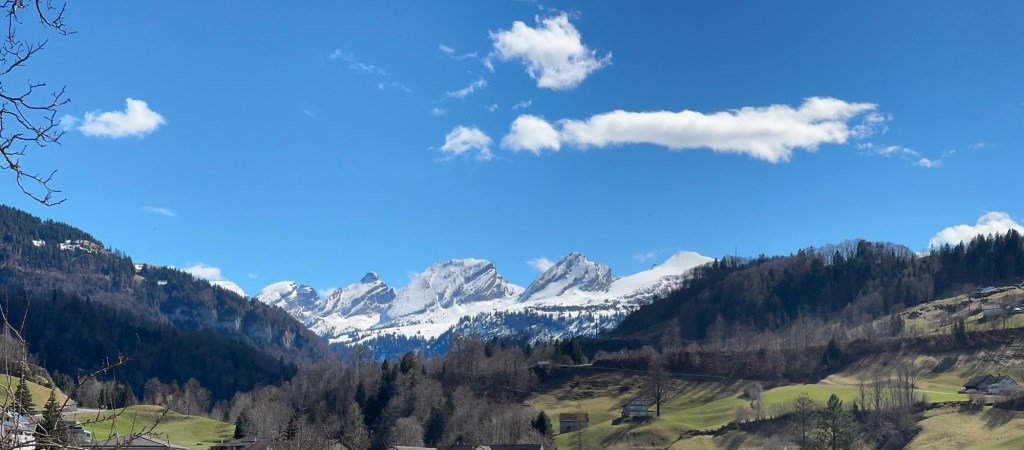
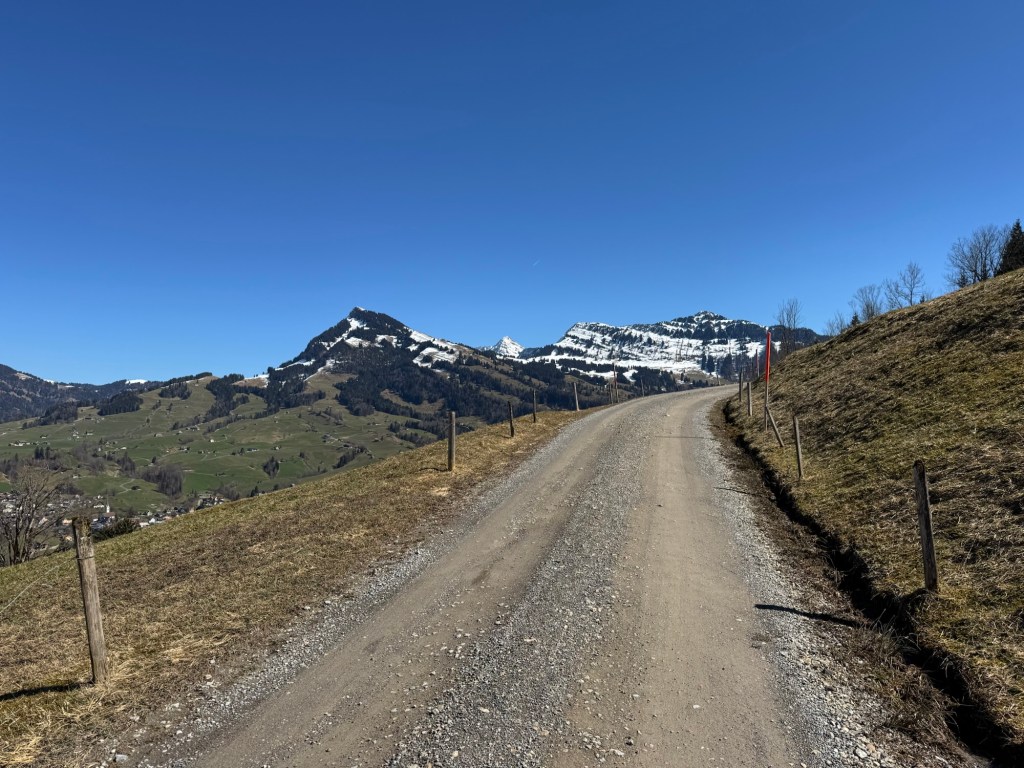
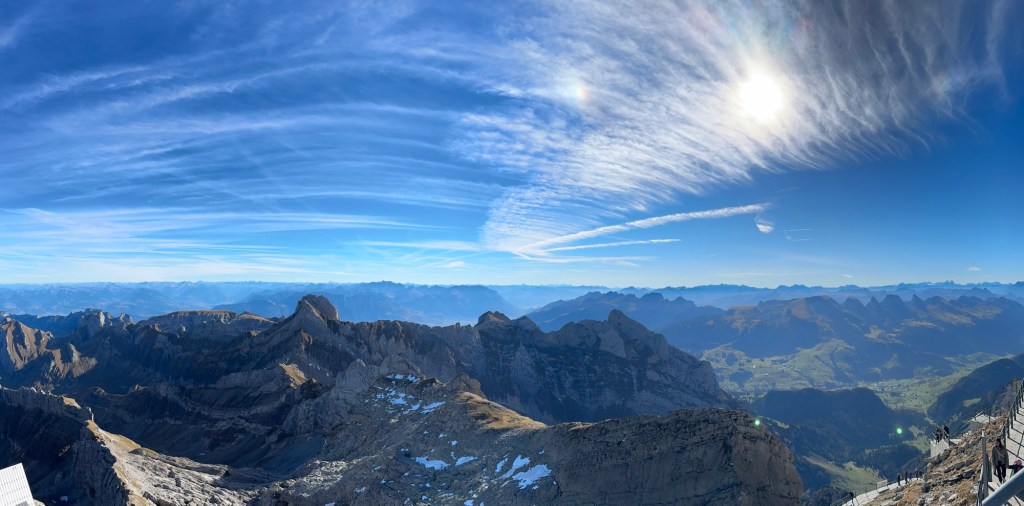
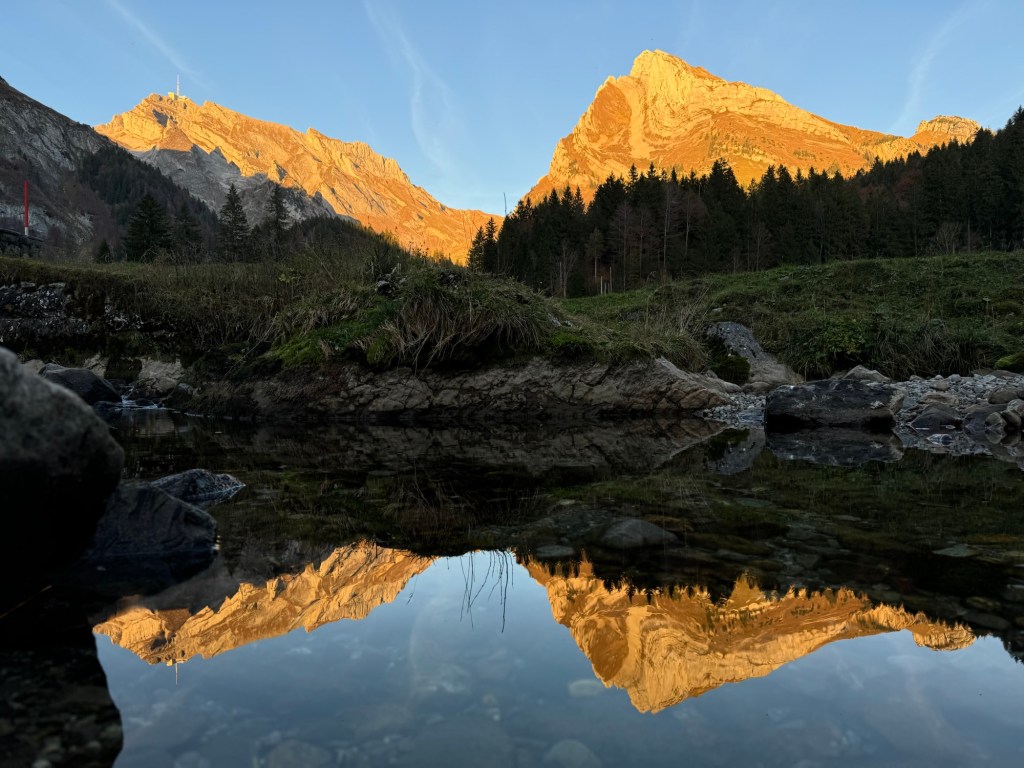
Just before crossing the invisible border into its capital Vaduz, I had to take a sharp right turn and followed the road, that was now climbing steeply into the mountains on the Swiss side. The Diesel engine of my old BMW was put to its physical limits along sheer endless serpentines and as the Rhine Valley disappeared slowly underneath a layer of clouds, I finally arrived at the small ski resort of Wildhaus, at just above 3500 ft. From here the road led through a number of high alpine plateaus, with the “ Churfirsten”, a ragged chain of mountain peaks, that resemble a row of shark teeth, to my left
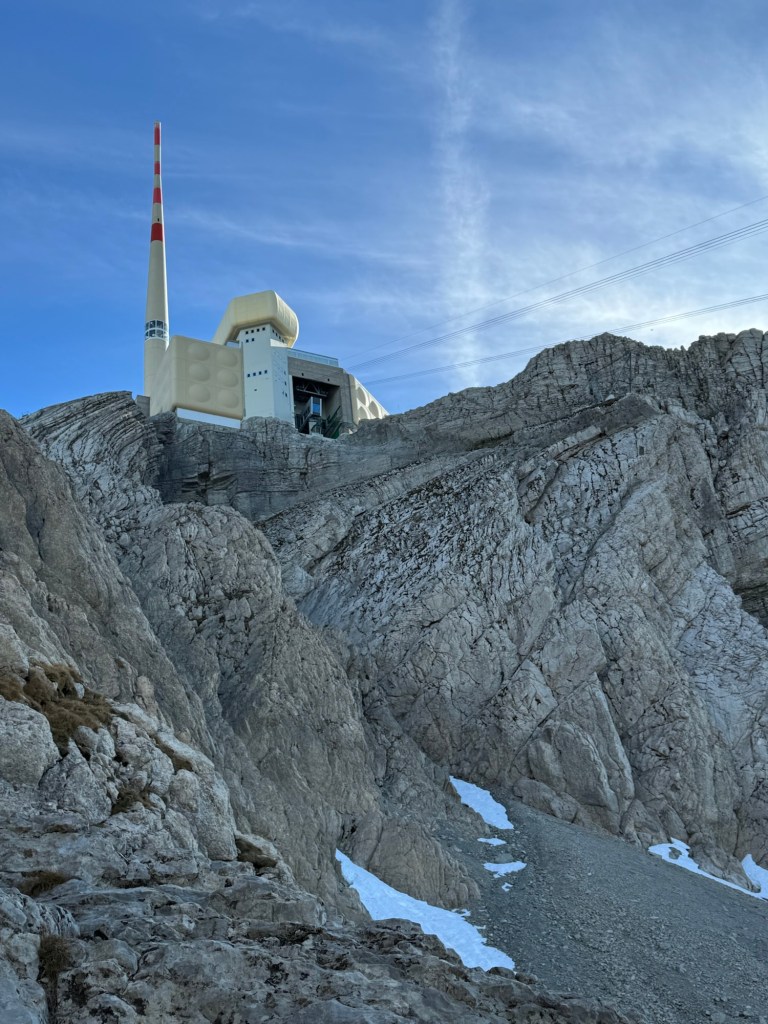
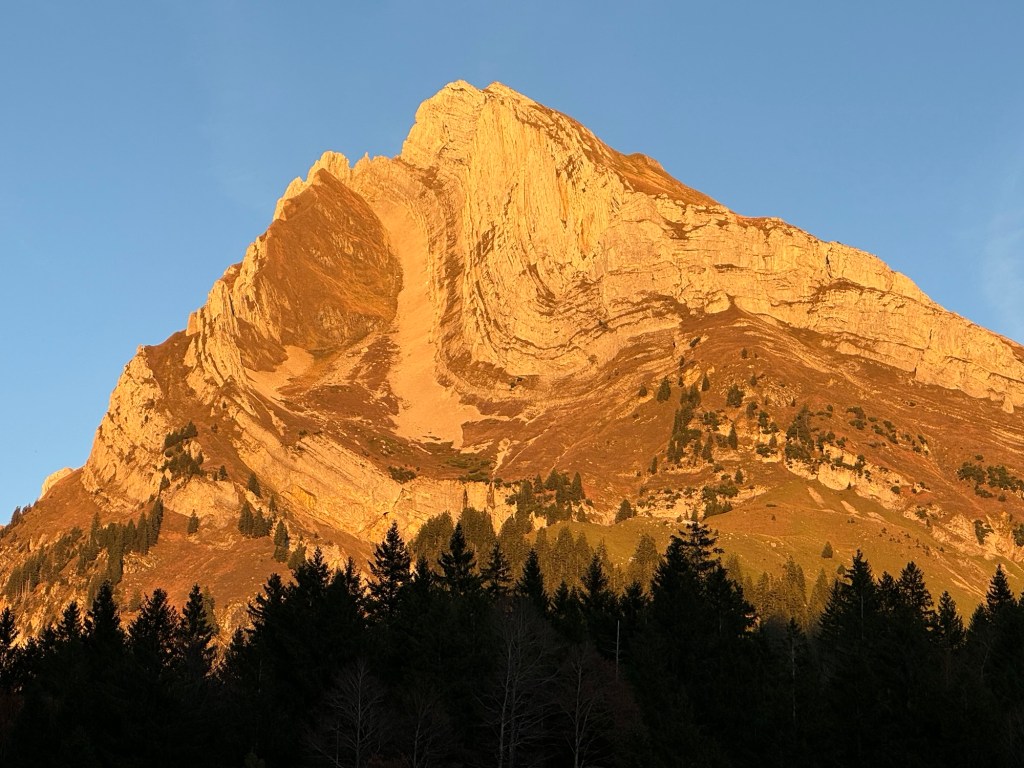
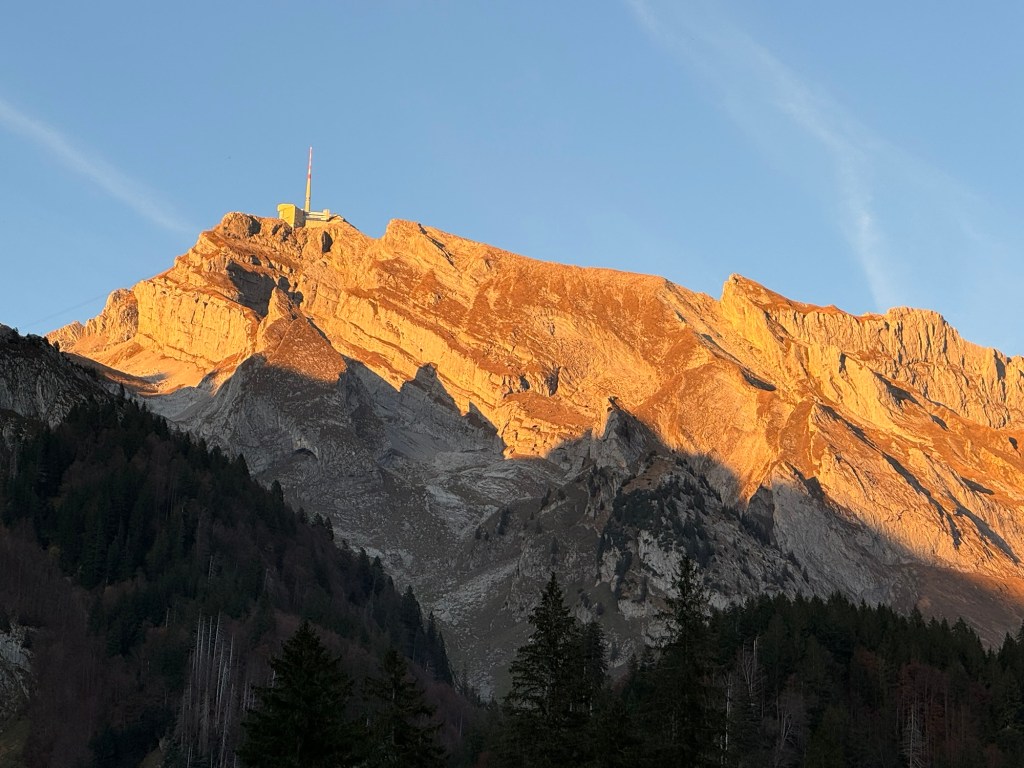
and the towering summit of the Säntis mountain to the right. What I had entered, was the Toggenburg region, home to a thriving farming community where cows, sheep and goats outnumber the human population, where the main reason for road blocks are herds of livestock, being moved by men and women in traditional costumes from one pasture to another,
and where SUVs gather in the morning not at petrol stations to fill up with fuel, but instead at the local dairies, to offload their yield of the previous night’s milking sessions,
to produce the world famous Appenzeller cheese.
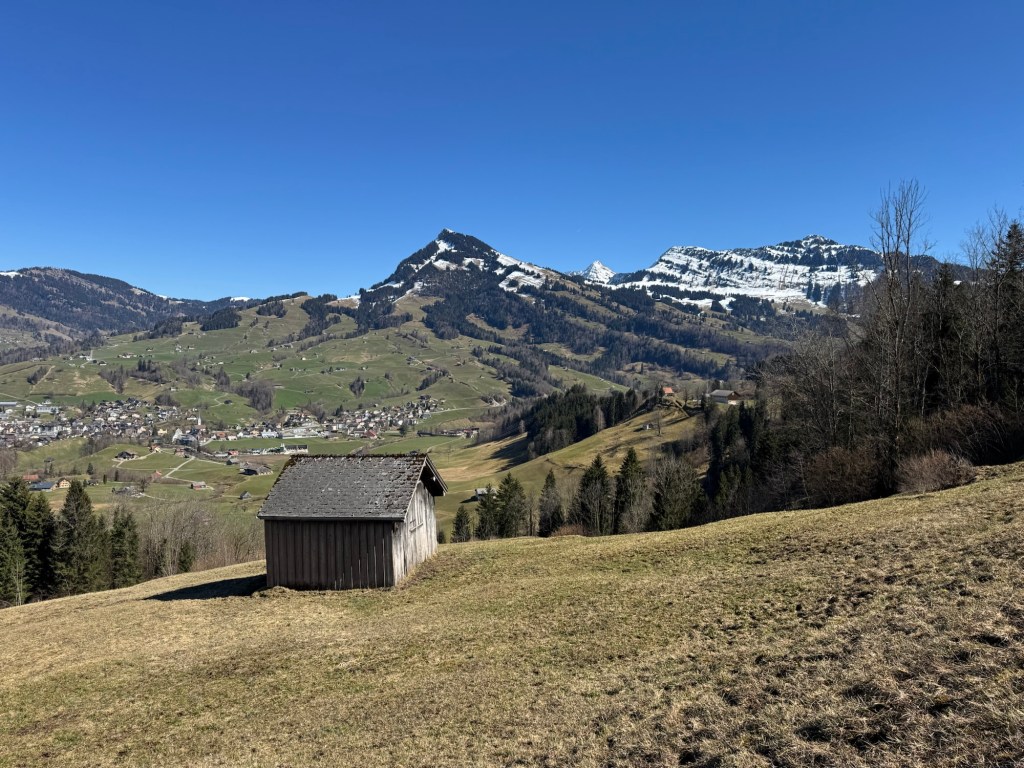
Here, surrounded by a landscape of mind-blowing natural beauty, just outside of the small village of Nesslau, Carla and Dani Leutenegger, a local veterinary couple, realised some years ago their dream: to build a meticulously designed veterinary clinic together with boarding kennels and a cattery right next door.
Although no longer owned by these amazing colleagues, the place still bears their handwriting in every tiny detail, all based on decades of professional experience paired with the ingrained Swiss love for tidiness and precision.
Nothing at this clinic was at its place by coincidence. Every piece of equipment, the fittings, the furniture and even the quintessential Swiss coffee machine were all of the best quality and a delight to operate or to work with. No expenses had been spared for the benefit of the patients, but also for the people who are working here. Everything was labelled and there was a clear and obvious system in each draw and in every cup board.
The well lid consulting rooms were clear cut, spacious, very clean and uncluttered.
For dogs and for cats there was a separate waiting room area and individual inpatient facilities. The place featured not only a couple of operating theatres, but also a lot of diagnostic tools, as well as a CT.
At many occasions I caught myself thinking : “Oh, that’s the way we should have done it at my clinic in Surrey.” or “I wish, I would have had this hand tool or this machine…..”
The pleasure I took in the working facilities was matched by that for the Swiss and Croatian team that welcomed me. Always friendly, always polite, competent and always happy to help, especially when this involved translating for me frequently the challenging Swiss accent of our clients.
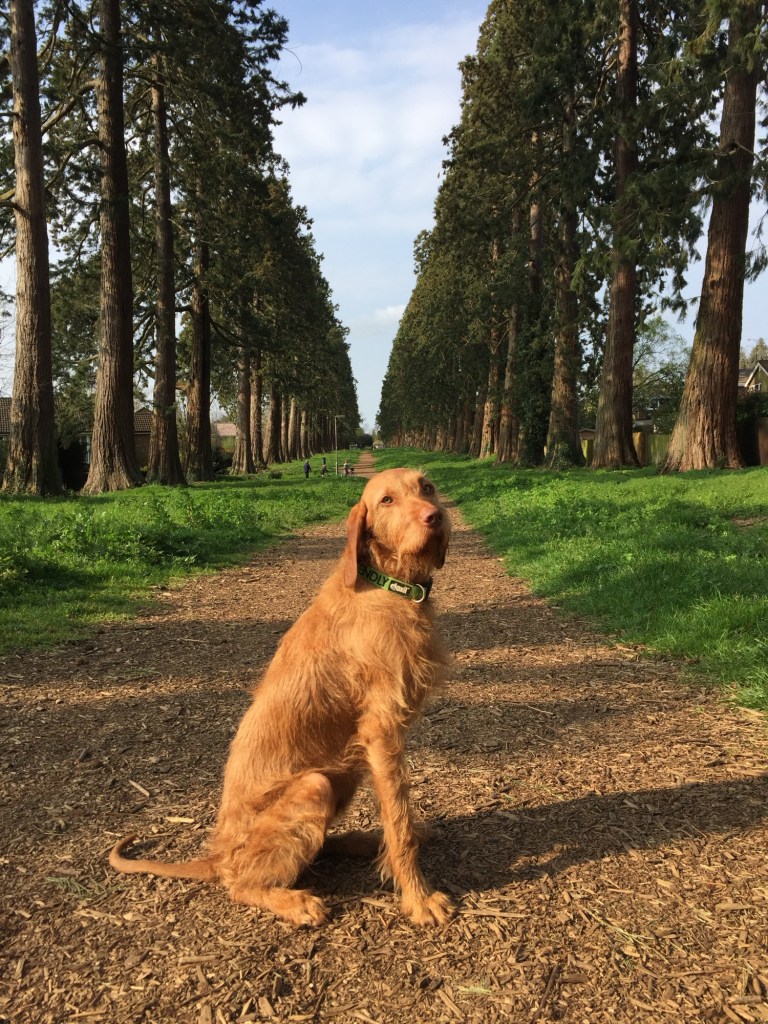
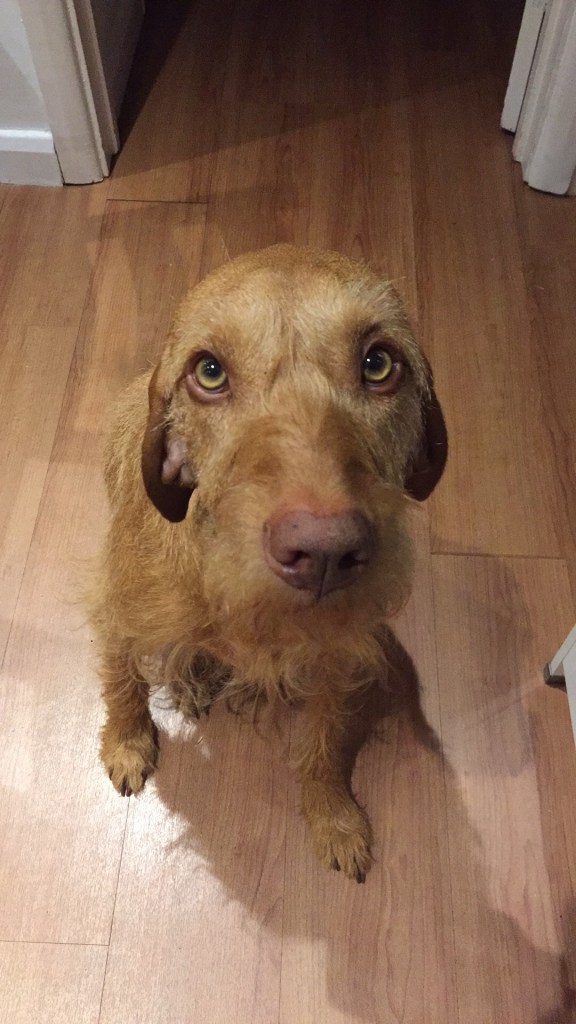
While living at the clinic, I could take Mia, my trusted Vizsla, for morning runs on the foot path along the Thurgau creek, that was running with its clear water through the freshly cut fields, just a stone throw away from the building.
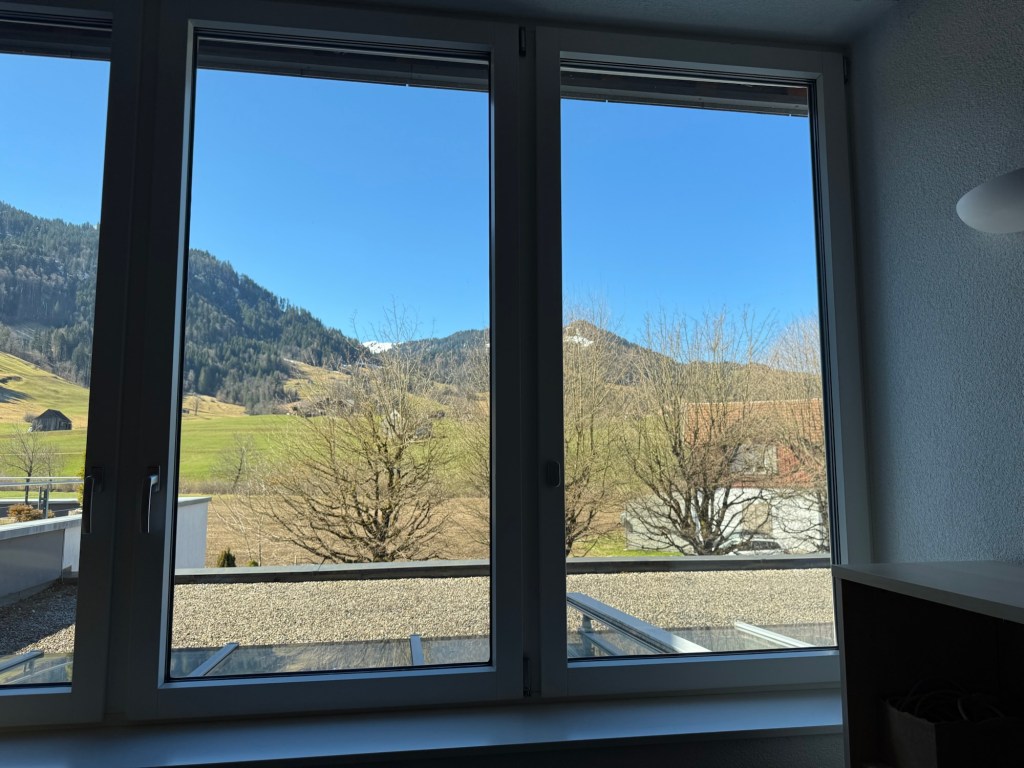
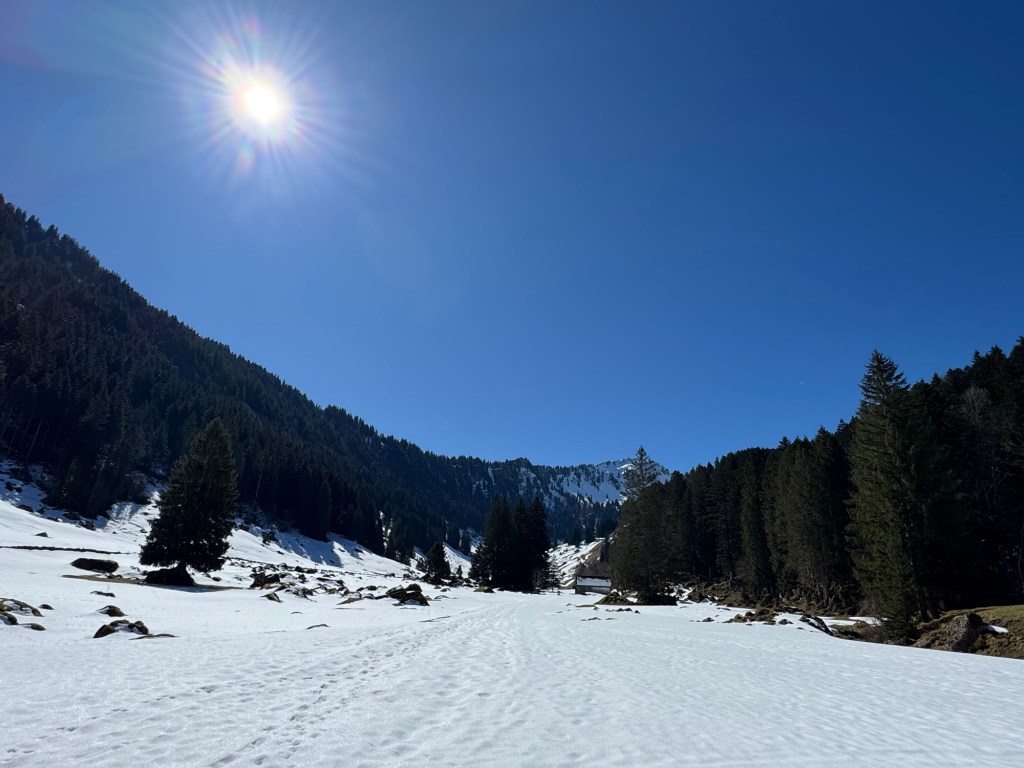
In the evenings after the last patients had left the clinic, I could put on my hiking boots to explore together with my lucky canine companion the well signed trails of the Stockberg, the mountain I could see during the whole day from my consulting room window. Behind the building the more remote Ijental was waiting,
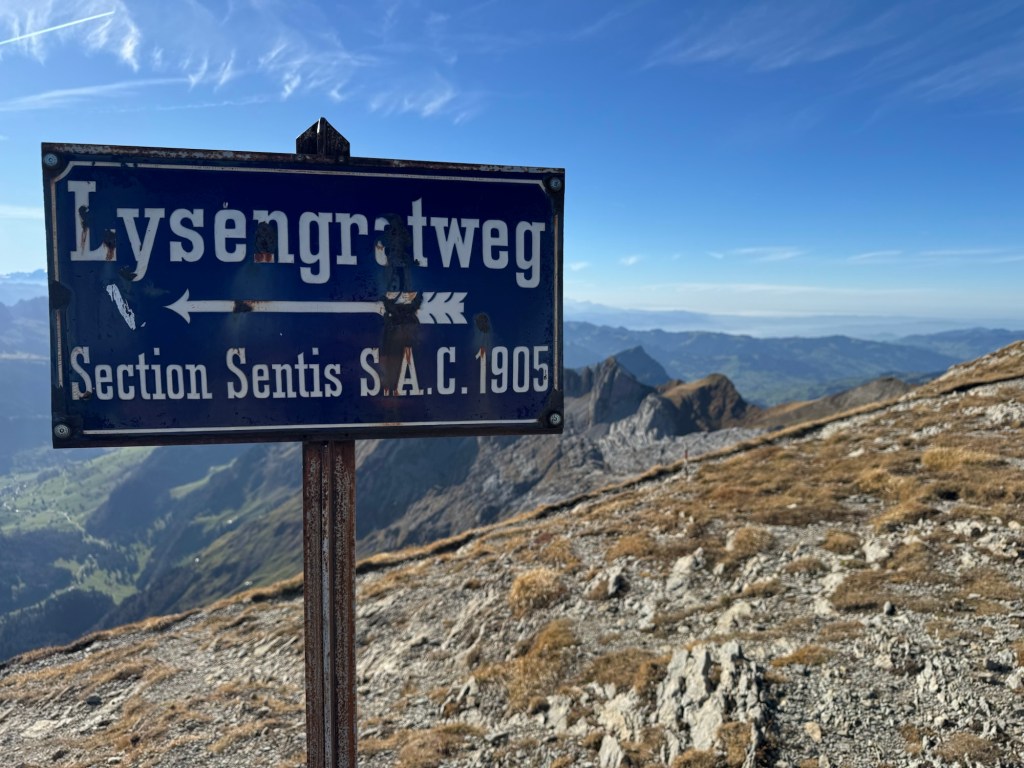
as was the Schwägalp on the other side of the village, just a short drive away. Here one had access to the Säntis, a mountain of more than 8000 ft altitude and to the whole Alpstein massif.
One morning, while sitting on the roof terrace of my new found veterinary Nirvana, enjoying my archetypal Bircher Muesli and the serene landscape around me, I, not for the first time, realised how hard and full of deprivation the life as a travelling veterinarian was….
There was no point to scream, as there was no escaping from it anyway…
With some surprise I realised, how many nerve endings could be found on the surface of a human body, while several layers of my skin were removed by a bearded stranger I had never seen before. I just tried to dig my nails deeper into the marble slap underneath me, while wondering what pain relief I might employ, once this unexpected assault had finished ……
“Go to No 5!” was what Irakli, the Georgian film director I was staying with, had replied to my question, where to go to experience one of the most intense sensations travellers have enjoyed for centuries when visiting Tbilisi.
We had been sitting on the landing of “SkadaVeli”, his unassuming, somewhat dilapidated house, right in the centre of the Old Town of Georgia’s capital. Despite its not very appealing outside, his place was a hidden gem with surprisingly modern rooms and a spotless bathroom and kitchen, which usually featured a good bottle of Saperavi. Here, one was in easy walking distance of the city’s beautiful churches and the cathedral, of the best cafes and restaurants, of the futuristic Bridge of Peace, which like a shiny reptile spans the dark water of the Kura river and just a stone throw away from the quirky clock tower in Ioane Shavteli Street.
Irakli was a well of knowledge when it came to Tbilisi, his city, and I was happy to follow his recommendation for a final excursion into the subterranean life of the Abanotubani district, before leaving Georgia.
Abanotubani is home to a dozen bath houses, all connected to the hot sulphur springs, which are emerging here from the ground. Their 40 degree warm water is running through a small stretch of land before disappearing into the nearby river. The hot springs had given the city its name and many visitors like the great Russian poet Pushkin have written about the memorable experience and about the health benefits of visiting the local bath houses:
Today’s bath houses vary greatly in design and in comfort and it is possible to book both private rooms or to visit the public areas which are gender separated.
I was travelling alone and to get a more genuine impression how the locals were using their bath houses, Irakli had suggested to visit one of the two public bath houses.
Less than an hour later, I was standing in-front of “Public Bath No.5” – an institution in Tbilisi, with a history that is dating back nearly 100 years. Both the hammer and sickle emblem on the front, as well as typical soviet style mosaics in the rooms downstairs confirmed that this was a place more for the local community, rather than the more upmarket and elaborate decorated Orbeliani Bath nearby, which was the preferred choice for foreign visitors.
10 Georgian Lari, equivalent to less than £3, got me inside without the need for a reservation, and a further 2 GEL secured me a cup of tea for the end of my visit.
Once I had placed my clothes into one of the spare lockers, I was issued with a pad lock (without a key) by the supervisor, who looked like an archetypal Caucasian prison guard, wearing above his trousers just an undershirt instead of a uniform. A large ring on the table in front of him, featuring the keys for all the pad locks that had been issued, left no doubt that no one was leaving this place without the consent of this man….
Dressed with just a towel, I progressed into the main room, where I managed to take a shower once I had found out, how to create an ambient temperature, by operating the different taps protruding from a complicated system of leaking plastic and copper pipes above the shower cubicle.
Next I immersed myself into a pool of boiling hot water which – as I felt – far exceeded the 38-40 C that had been advertised.
Only with a fair amount of will power, I lasted close to 5 minutes in the pool and – before passing out – I felt ready to progress to the main part of the procedure – the “Kisi”.
Red like a lobster and still slightly dizzy, I stumbled over to one of the nearby marble benches, where the Mekise or “Head-Scrubber”, who looked like the angry brother of the supervisor, motioned me to lay down, before setting to work…..
And here, any resemblance to what could have been considered something like a massage, immediately vanished…..
The “Kisi” – as I now found out – is more of a thorough cleaning procedure, where, with the help of a glove, which has a surface similar to the outside of a coconut shell or to an industrial utensil that is commonly used to remove congealed food particles from frying pans, the unexpected and – through the heat of the hot bath – sensitised surface of the skin is mechanically stripped away…..
While the glove was doing the damage, I was wondering, how desperate Pushkin must have been to write poems about this place and that he must have considered the bullet that eventually killed him, as the lesser evil.
When my skin was just a single raw nerve, a bucket of water was poured over what was left of me and my body was lathered with a thick layer of soap, which was then washed off with another bucket of water.
Eventually I was allowed to stagger away from the marble slap and while my place was taken by the next victim, I tried to regain consciousness with the help of a cold shower.
A short while later, I was sitting back in the spartan locker room, with the domed ceiling as the only decorative feature, and while my still shaking hands were holding a small glass of black tea, the prison guard inquired, how I had enjoyed my first stay at a Georgian bath house….
The sun had already set when I re-emerged from the bowels of Bath No 5 and while walking back to the safety of “SkadaVeli”, I was surprised that my body wasn’t in more pain. It was followed by an excellent night’s sleep and when I woke up the next morning, I felt so great, that I am already looking forward to my next visit to Tbilisi and to the bath houses of Abanotubani.