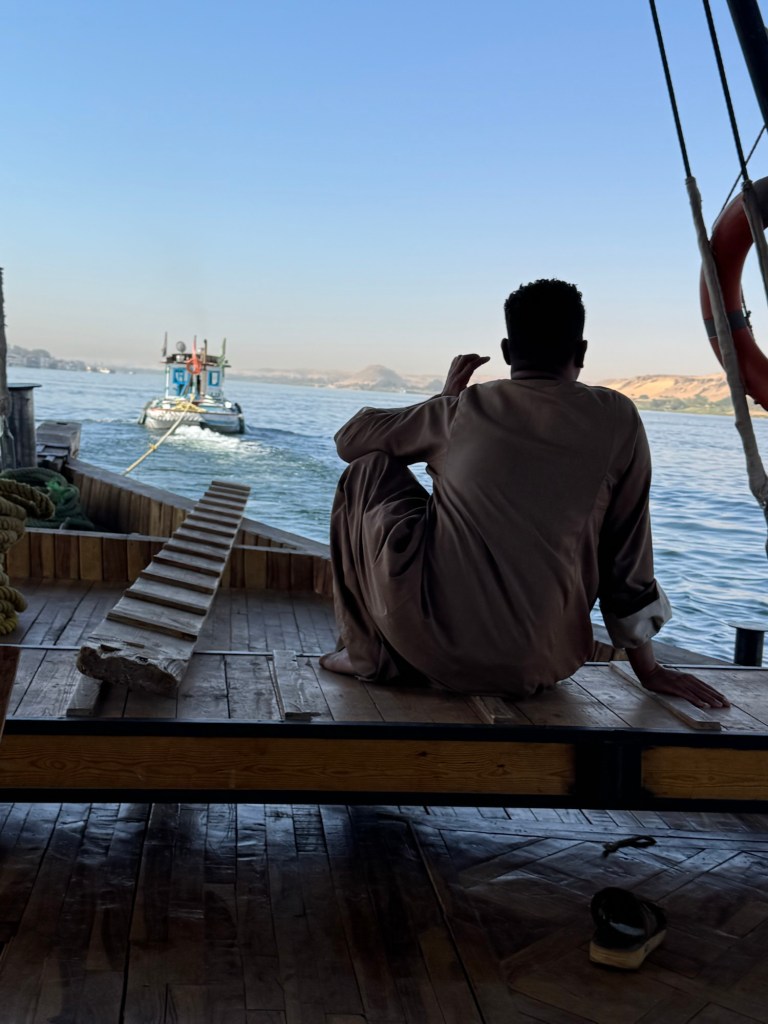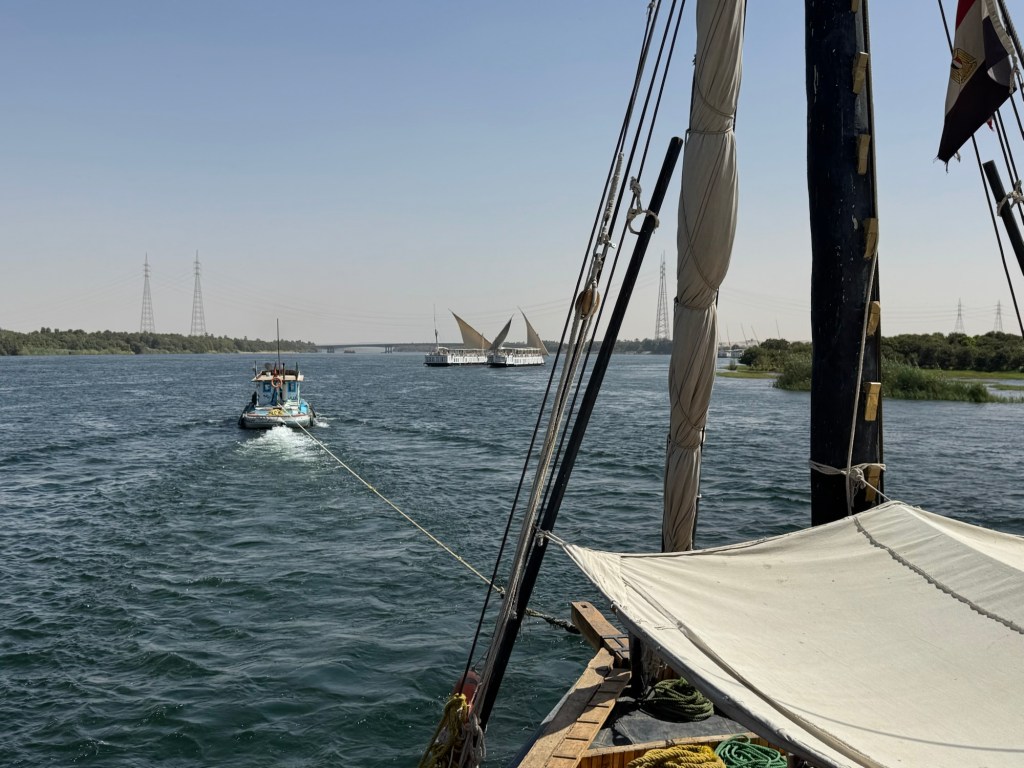
The Dahayiba is following the small tug at a steady, yet sedate pace upstream, as it has done many times before. The two boats, connected by a single rope, as by an umbilical cord, with no purpose without the other.
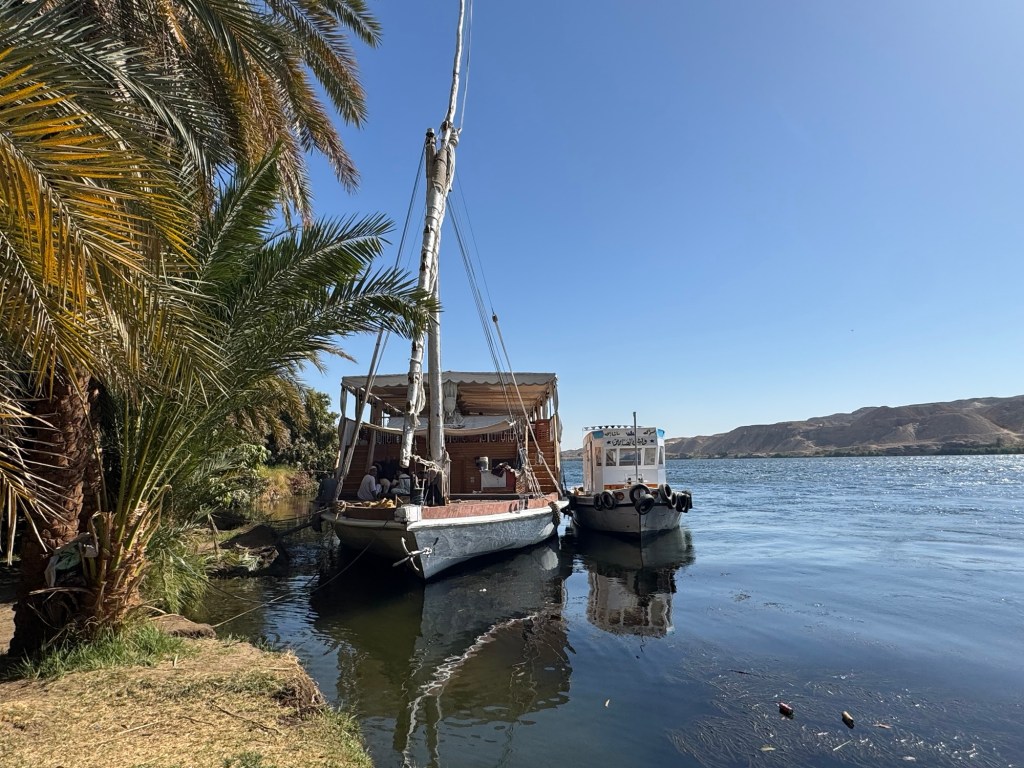
The Dahayiba, a traditional Egyptian sailing boat, is fitted with a couple of small sails – one at its bow, one at the stern – but even while making the best of the northernly tail wind coming from the Mediterranean coast, they are barely able to bush the heavy vessels against the strong current of the river. Without an engine, it took these vessels up to seven months to cover the whole distance from Cairo to Aswan.
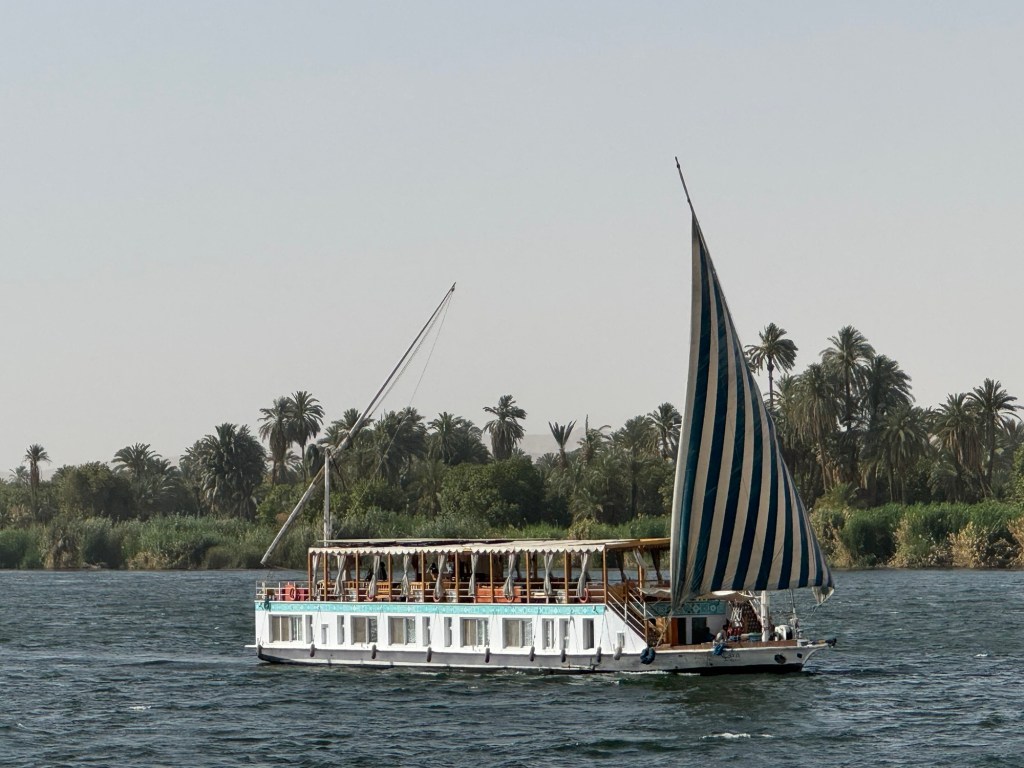
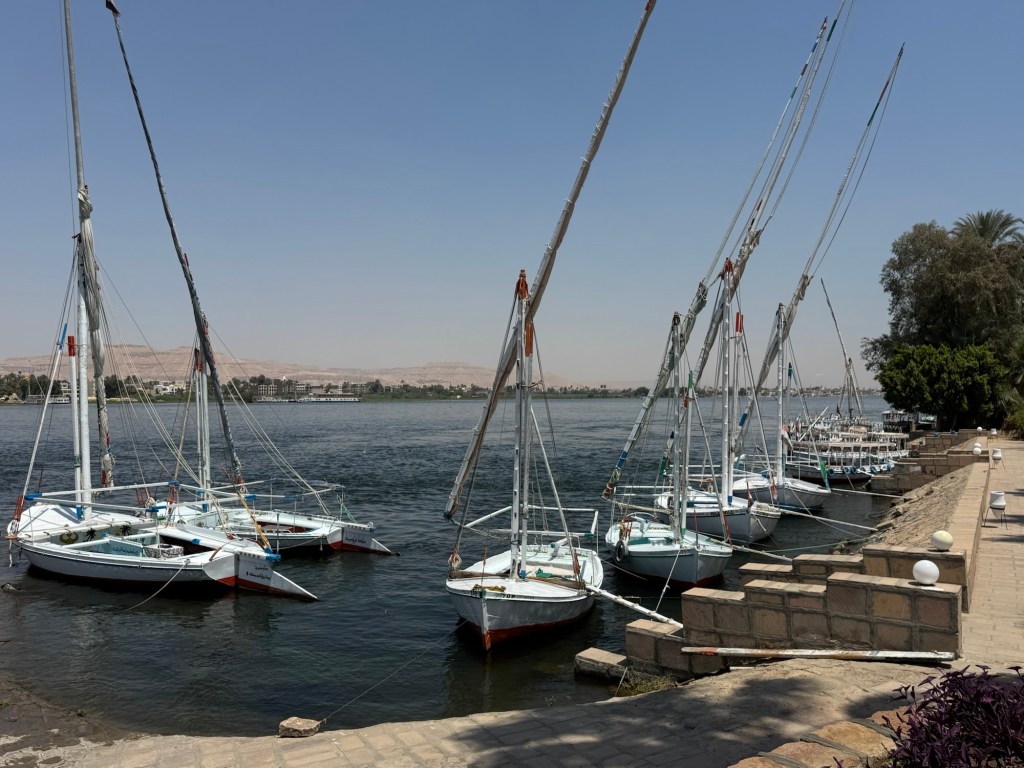
You have to be much smaller and lighter, like the more elegant, single masted feluccas, if you want to travel against the stream, or you need the tough, diesel-fuelled heart of a tug to reach your destination in a reasonable time.
And yet, exactly because the vessel is progressing at a slow pace, it is providing you with ample time to follow the ongoings on the nearby shore, telling you one small oriental story after another.
There is the villager riding alongside the boat on his white donkey, the children waving and rolling themselves in the sand of a small beach near one of the few bridges that are crossing the river, or the grazing cattle on a water logged field, that are carefully guarded by an old man with a cane, sitting next to a banana plantation.
Whoever is travelling in this way, has brought with him a lot of time. Time to look, time to learn, time to study and to marvel at the miracle, the water of this river and its sediment has created in the middle of the desert.
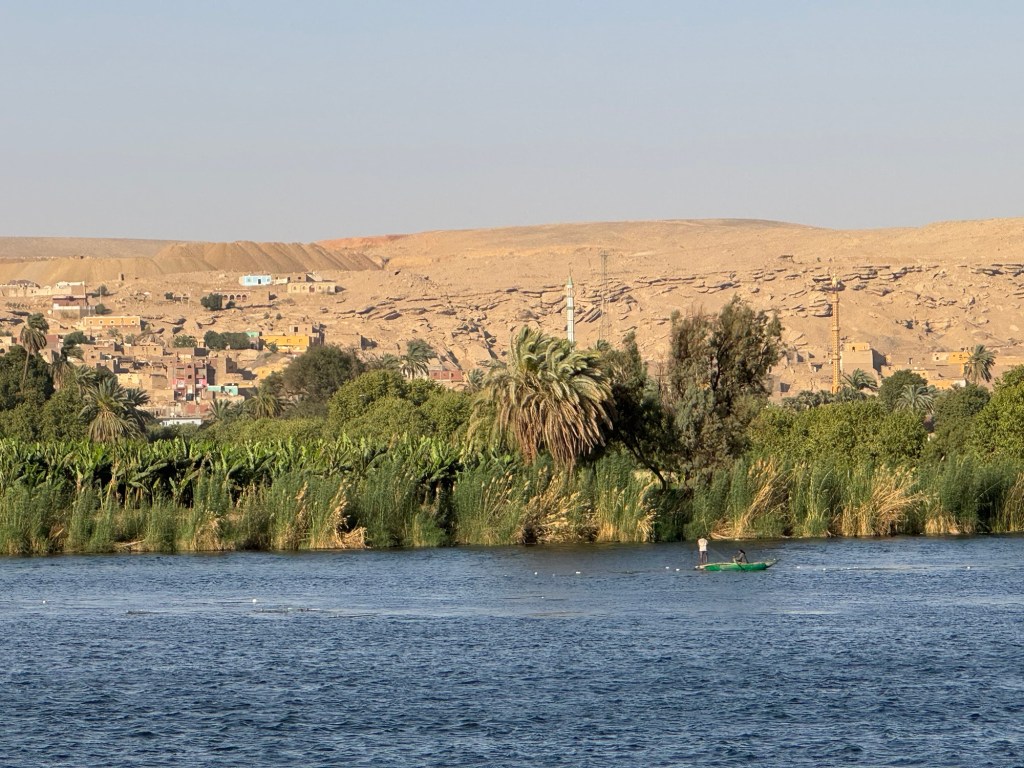
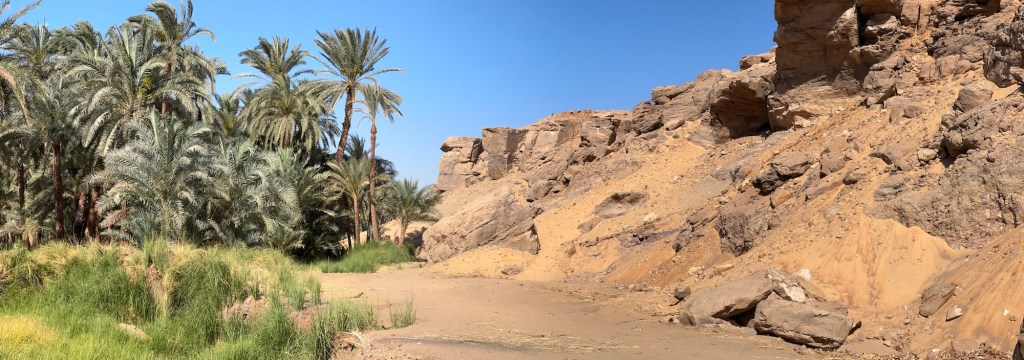
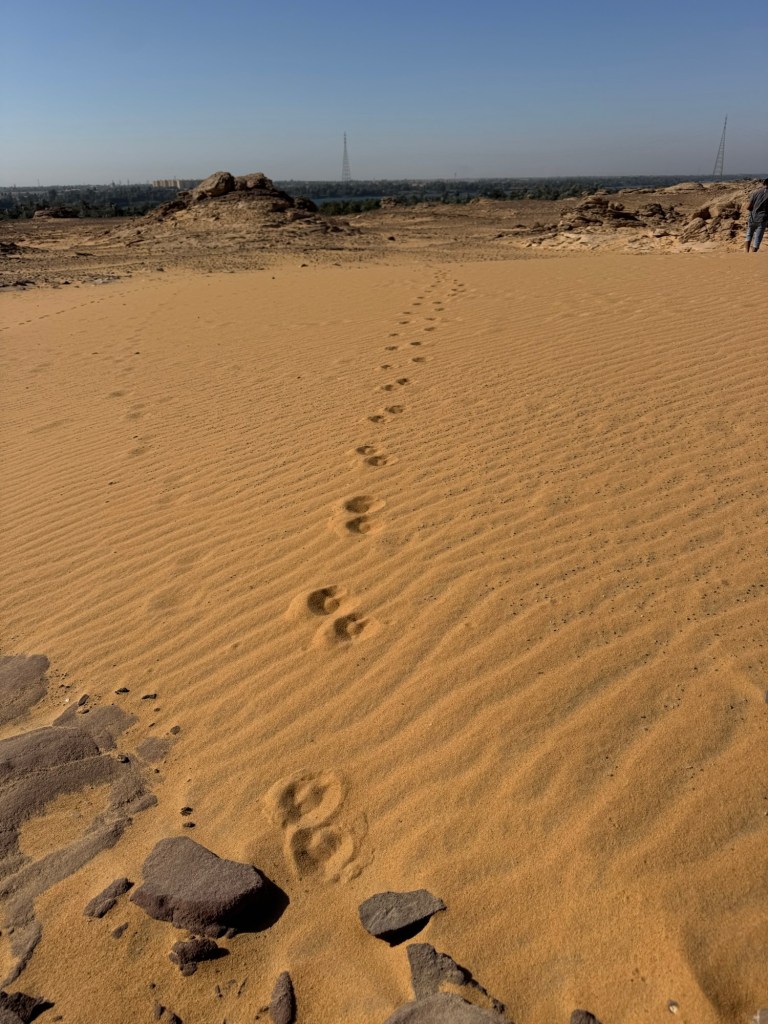
Forests of palm trees, large fields of sugar cane, of barley and corn are reaching out into the fertile ground on both sides of the river, but only as far as the small pumping stations and irrigation trenches are able to carry the water. Just a few centimetres of elevation will make the difference between life and death, will make the difference between a Garden of Eden and a parched world of rocks and sands that sustains only the hardiest of plants and animals.
Meanwhile the banks of the river are a haven for large numbers of birds, and the water is full of fish.
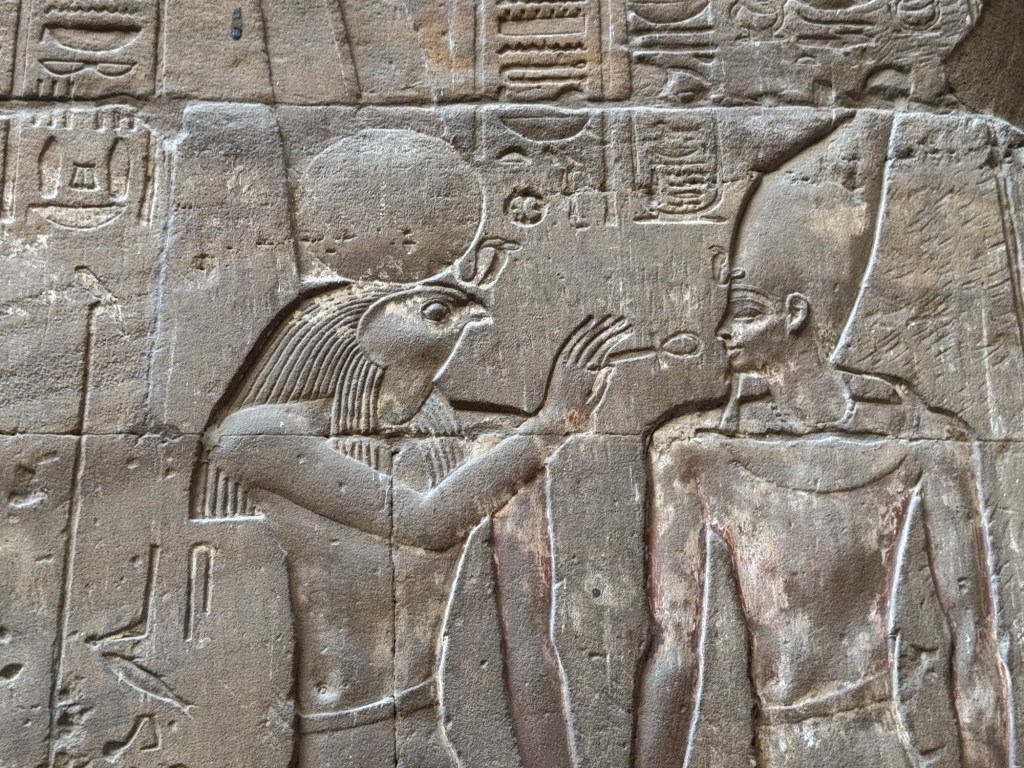
Kingfishers, ibis, and different species of herons and of birds of prey are not difficult to spot and it is no surprise that these birds had a huge impact on the culture and the religion of Egyptian society already thousands of years ago.
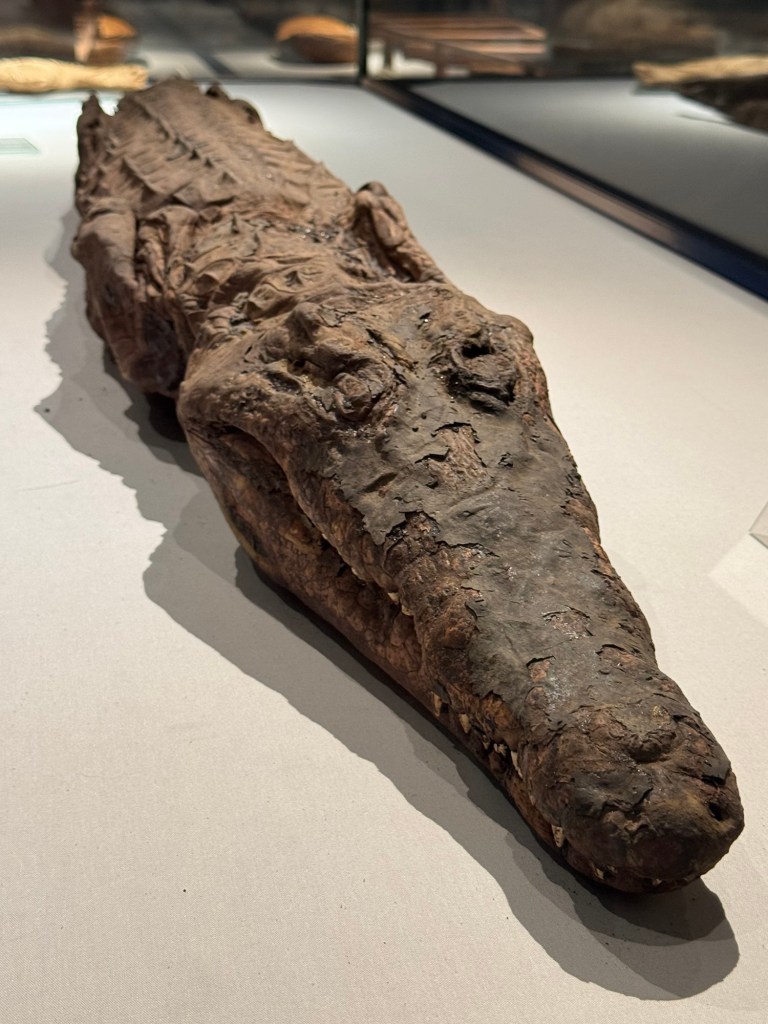
But the same can not be said for hippos and for crocodiles. Once numerous in the river and the flooded fields as far north as to the river’s delta, hippos even known to have caused problems in the centre of Cairo, they have now been driven as far south beyond the Aswan Dam to Lake Nasser.
It is easy to understand why this tranquil form of travelling on the Nile has helped to inspire so many books and films, regardless of the number of murders involved.
But while many authors have highlighted and detailed the uniqueness of this river, of this water way that like no other defines the entire existence of a whole nation, nothing can explain it better, than watching its shores while sitting underneath a canvas roof, sheltered from the desert sun, while being pulled along by a small tug steadily heading south.