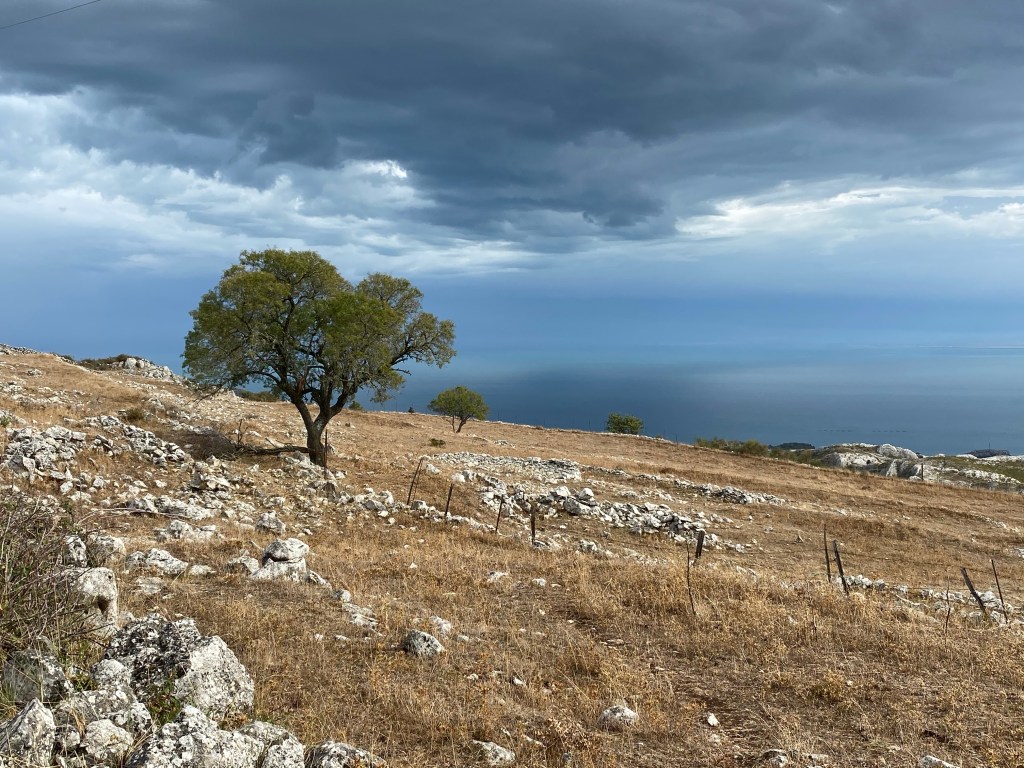
While now sitting nearly 3000 km away from Falun, in a medieval fortress (with a slightly more modern interior than 500 years ago….) in Apulia, on the East Coast of Italy, with Mia sleeping on the floor next to me, after a long hike through the countryside, my mind is traveling back to a memorable evening run we both had a month ago along the Dal River in Sweden.
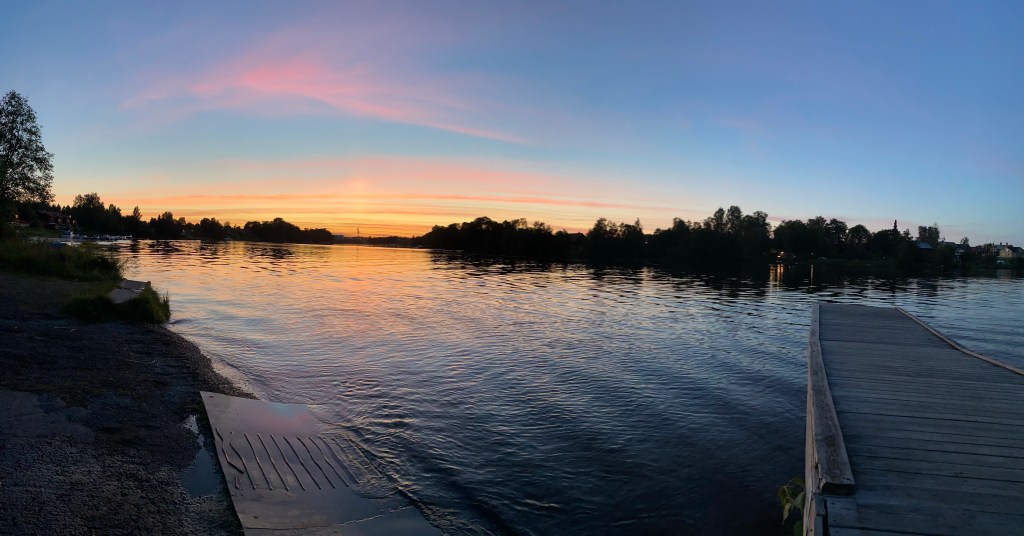
While the sun was setting late at night over the water, I started to understand why artists like Carl Larson or Anders Zorn (eventually) decided to remain in Dalarna, rather than moving South to a much warmer climate and possibly to a more entertaining and probably more comfortable life like here in Italy or France…..
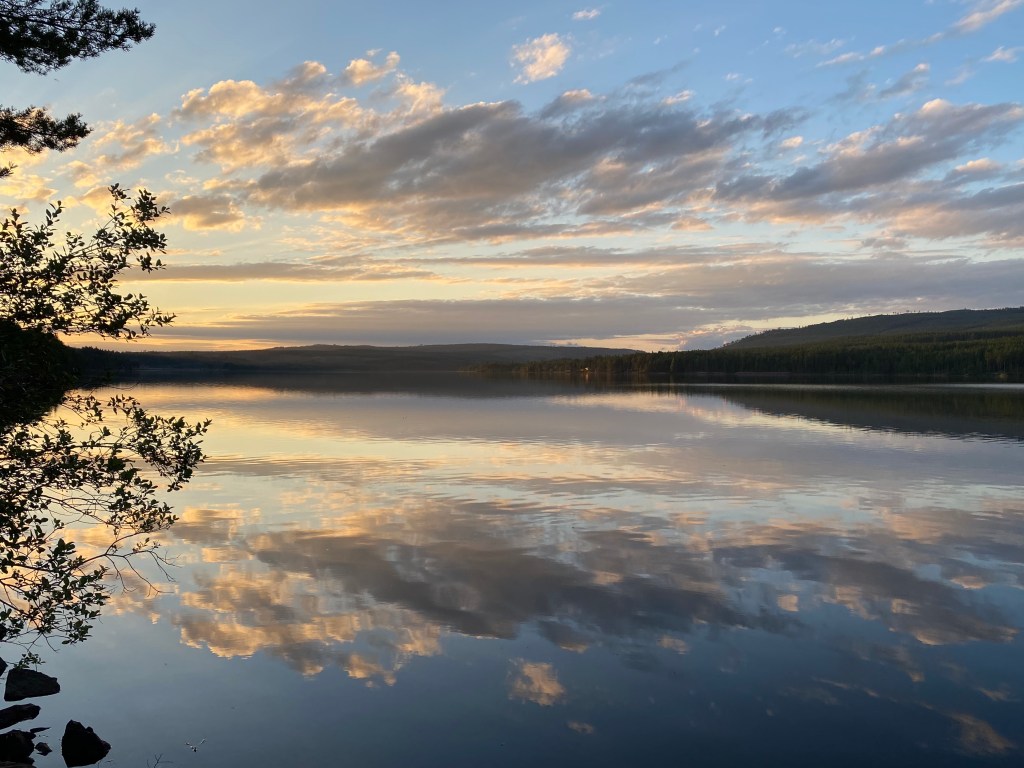
It all had to do with a single view that lasted not more than 15 minutes:
The beautiful spectrum of colour and light in this evening scene reminded me immediately of a couple of paintings of two other artists of two different periods, working with completely different styles.
The sun slowly setting behind the chimney of the local steel works, creating a rich palette of blue, red, grey and yellow tones, both on the sky as well as in the water of the river, was not dissimilar to the scene so famously captured by J.M.W. Turner in his great painting of “The Fighting Temeraire” nearly 200 years ago. Here too the water is virtually still, reflecting the warm light of the sky above in its entire glory, while this once great man-of-war was tugged to its final resting place.
The trees and the illuminated house on the other side of the river however, devoid of virtually all colour and appearing like completely black silhouettes, could also have been – just over a hundred years later – the setting for René Magritte’s surrealistic masterpiece “The Empire of Light”, just lacking the paradoxical clouds and the blue sky above the scene.
Neither Larson nor Zorn were great landscape painters, but undoubtedly the long evening light in the middle of the summer and the effect it had on the people in their paintings must have played a role why the summer and probably the life in the Northern hemisphere can be so irresistible.
Working in different countries or regions as a veterinary surgeon, I consider the exposure to conditions and treatment solutions I have not encountered before, both as a real challenge and as a great benefit. For many years my work for FECAVA, the Federation of European Companion Animal Veterinary Associations and the involvement with FVE, the Federation of Veterinarians in Europe, has been a constant inspiration for me and it had helped me and my patients in Virginia Water – especially the ones that had non – UK backgrounds – to consider unusual conditions in my list of differential diagnosis or to employ treatment protocols that were unheard of in the UK.
Although there are undoubtedly a lot of similarities between the usual case load in the UK and the patients I have been presented with in Sweden, there were also a few – for me new – conditions and I also noticed a much higher concentration of some very familiar presentations. These were often due to the different environmental circumstances in Sweden.
Similar to my patients in the UK , the size of my patients in Dalarna ranged from 48g (in the case of this Russian Hamster)
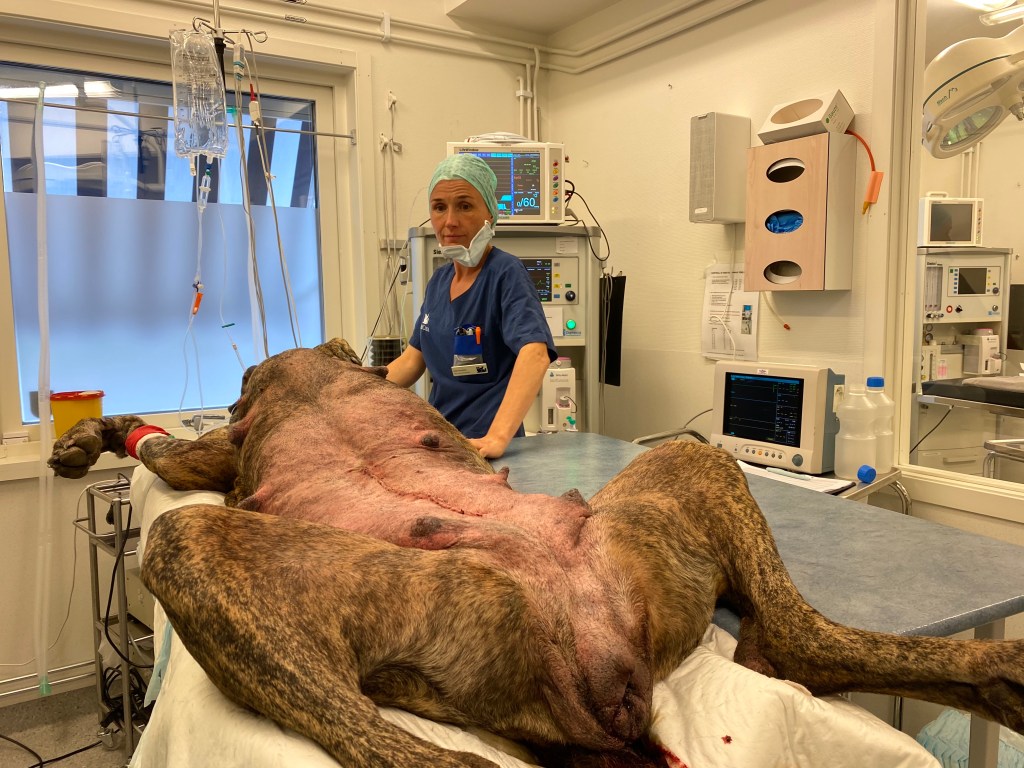
to nearly 100kg (which required a small army of technicians to move….).
Compared with the UK, “exotic species” like rabbits or small rodents were rare and I hardly saw any cage birds and absolutely no reptiles or fish (which in Virginia Water frequently included Koi Carps).
Due to far fewer dogs being neutered in Scandinavia, reproduction disorders are more common and I frequently had to operate on dogs with pyometras (severe womb infections) and with breast cancer.
There have been a range of studies highlighting health problems associated with early neutering, but comparing the health of my canine patients both in the UK, on the continent and in Scandinavia, I am remaining convinced that the early neutering – especially of female dogs – is the best solution and I am very content that I have performed this procedure on all of my own dogs before their first season.
With the neutering done so early, it is virtually impossible that a dog will ever develop breast cancer and if the spaying is done before the second season, the risk is still reduced by 90% compared with unneutered dogs.
Working at a large clinic also meant, that we were more frequently asked to help with delivery problems, which sometimes just required medical support, but it sometimes demanded surgical intervention.
The delivery of the eleven (!) puppies of this tough mum went through most of my whole shift one day, but in the end all puppies were delivered alive and without the need for surgery.
Although fleas are not as commonly encountered as in the UK, due to the colder climate and due to the different interior design of Swedish houses (more wooden floors and less carpets), the same can not be said for ticks. Quite often we admitted dogs and especially cats that were going outside, with twenty or more ticks. This was also the reason why I diagnosed here, after over thirty years in clinical practice, my first case of Canine Anaplasmosis, a tick borne bacterial disease, in a dog with a very high fever. Admittedly I would have struggled without the friendly pointer of Tilda, one of my very helpful Swedish colleagues, who was more familiar with this condition.
In a country like Sweden, where great outdoor life is always just around the corner, encounters with the local wild life can be a big issue for dogs and cats.
During the summer the biggest problem without doubt are certainly adder bites, which mainly affect curious or just unfortunate dogs and to a lesser degree cats.
The most common presentation are dogs with a – at times grotesque – swelling of their face
or with a severe swelling of a limb.
Very rarely did we use antivenom in these cases. The standard treatment was fluid support and regular pain relief with Methadon. Only if patients developed cardiac arrhythmias or deteriorated after admission in any other way, was the – fairly expensive – antivenom considered necessary.
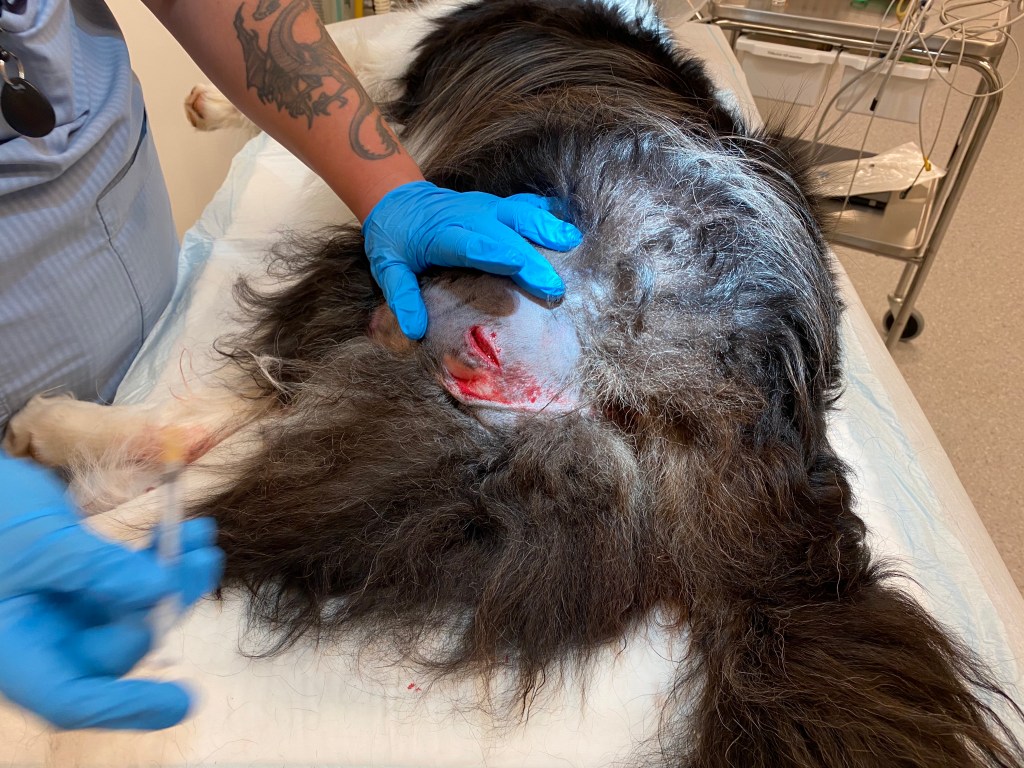
Dogs getting into fights with wolves, with bears, with wolverines or with wild boars are not uncommon, but this canine patient was extremely unlucky by being bitten into his hind limb by an angry beaver while trying to run away…..
Cases of Salmonella infections are seen frequently in Sweden. This form of enteritis I diagnosed only occasionally in Surrey, although I checked faecal samples on a regular basis for this serious zoonotic condition. Speaking to my Swedish colleagues about this, we came to the conclusion that the possibly more common hunting and the ingestion of droppings of wild bird must probably play an important role in this.
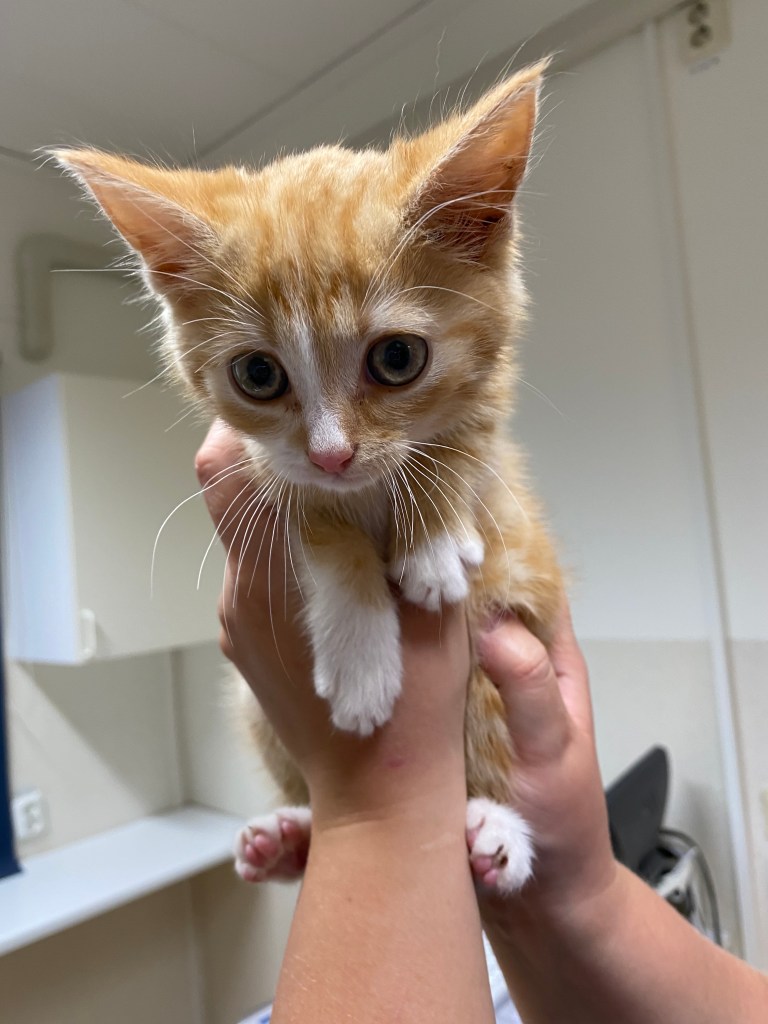
Beside of this, Swedish cats seem to fight as frequently as their British counterparts, they appear to have the same problems with bladder stones and obesity and Swedish dogs in the same way break their nails and get infected ears, but as in UK, Swedish kittens and puppies never fail to brighten up the beginning or the ends of busy days at the emergency clinic.
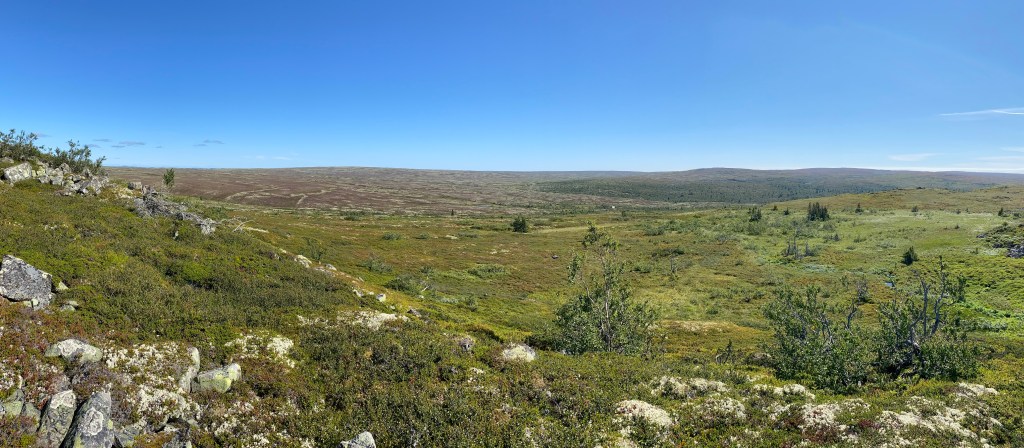
Undoubtedly a great advantage of working so far North in Sweden, is the direct proximity to large areas of undisturbed countryside and forest and – a bit further North from Falun – to the Fjäll areas.
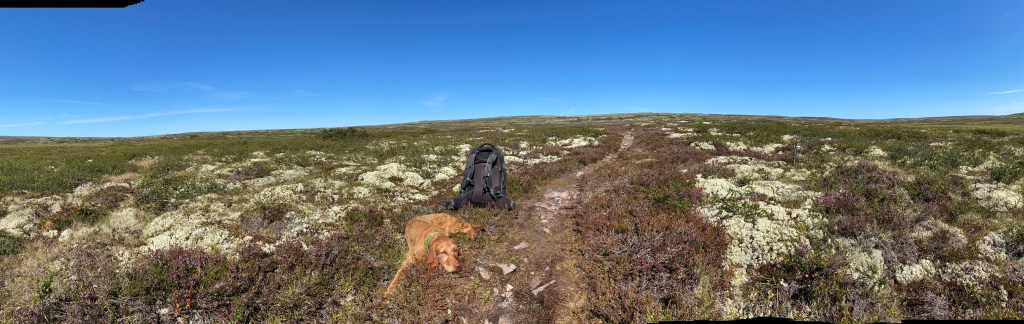
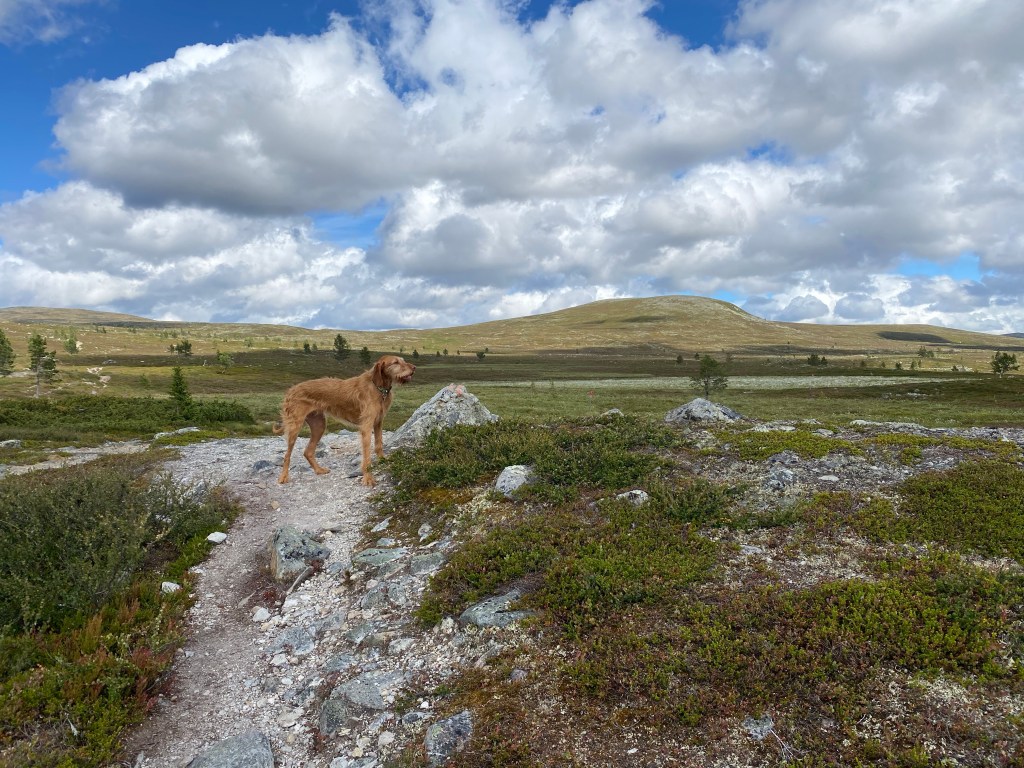
Not as steep as in neighboring Norway, these high alpine plateaus feature a tundra landscape which is otherwise only found North of the polar circle. Very forgiving for even inexperienced hikers – you can’t really fall down anywhere – these rolling hills were reminding me at times of the Brecon Beacons in Wales.
No wonder though that only a couple of hours driving away, you need to watch out for groups of reindeer occupying the roads….
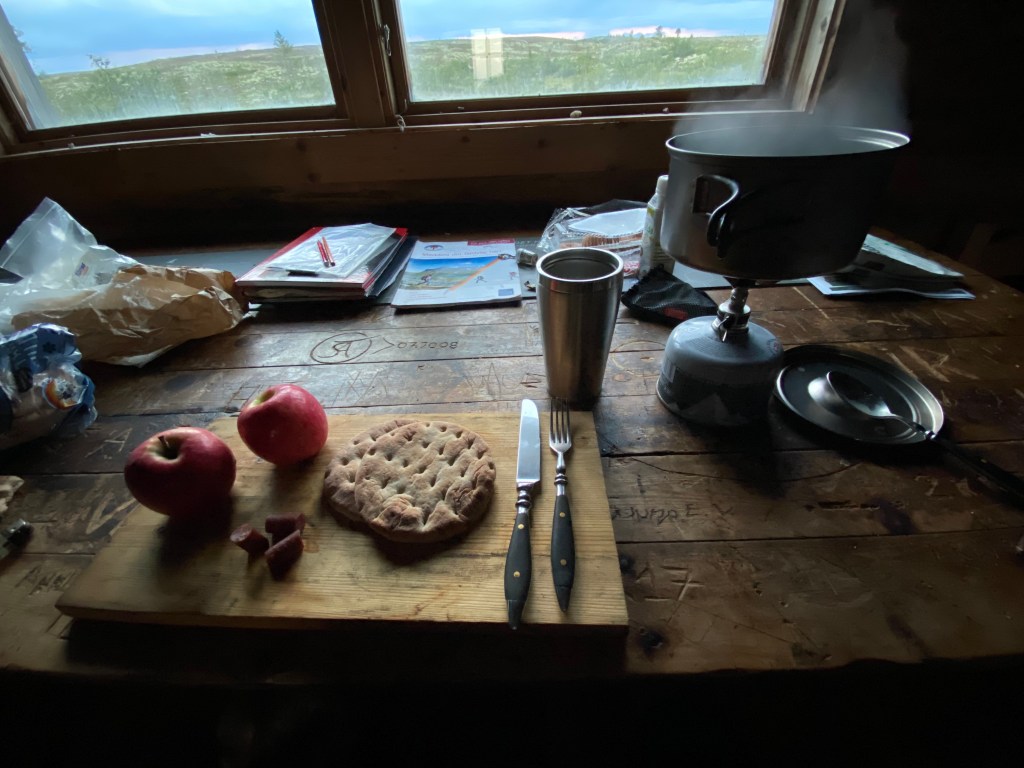
Travelling to Fulufjället National Park and to Langfjället, both located near the Norwegian border, gave me once again the opportunity to spend a few nights in my tent or even in a mountain hut
– something I had not expected to be able to do for a long time earlier this year.
Even better having Mia with me, who thoroughly enjoyed the long hikes, but who was less impressed by the fast dropping temperatures at night, by the occasional rain and by the mosquitoes. I think that I have to face up to the fact that after all, she is not a husky …….
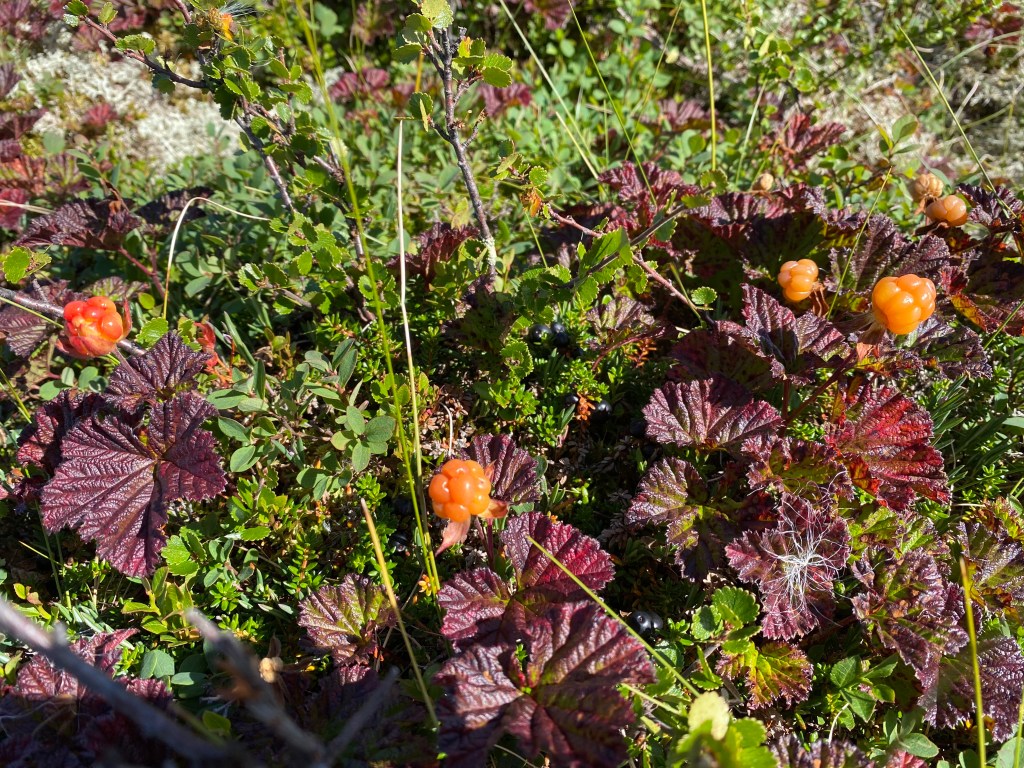
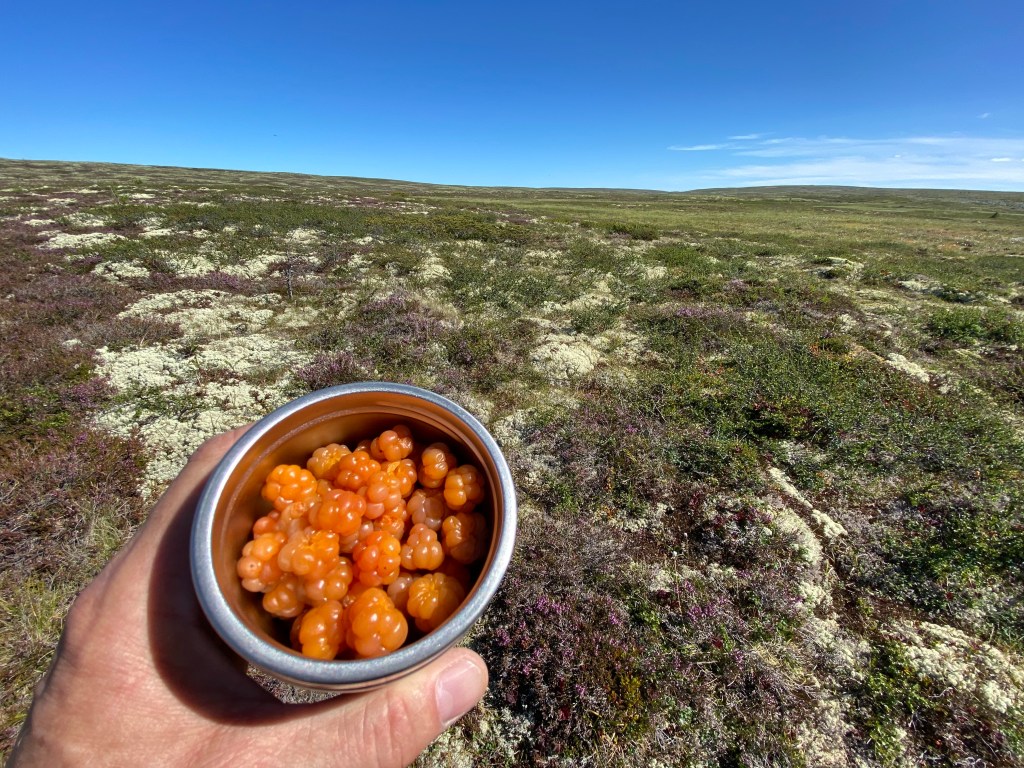
For the first time in my life I was also able to supplement the provisions in my back pack with fresh cloudberries, which this year can be found in abundance.
Highly priced, they can only be found in small quantities on the local markets or in form of exclusive jams. A large bowl was added to my breakfast cereal every morning…..
Another advantage of hiking in Scandinavia at this time of the year are the virtually never ending days. In June the sun is hardly dropping below the horizon at midnight and even at the beginning of August there is never complete darkness on the Northern horizon.
A long weekend in the Fjäll is the ideal way to recharge the batteries for more busy days at the clinic with my Nordic patients……
Working in a busy small animal clinic during the summer months, I noticed that in Sweden we are seeing – thankfully – only very few dogs and cats that had been hit by cars. To be honest, during the whole month of July, I can only recall seeing a single patient with a pelvic fracture and that unfortunate puppy had in fact been run over by his owner reversing out of the drive……
So, why is this ?…..
Well, to some degree it might have to do with the lower population density and probably also with the rigorously enforced speed limits on Swedish roads, but I would argue that in addition to this, the plethora of warning signs will play a not inconsiderable role here as well. Some of these are pretty unique to Sweden or to the Nordic countries.
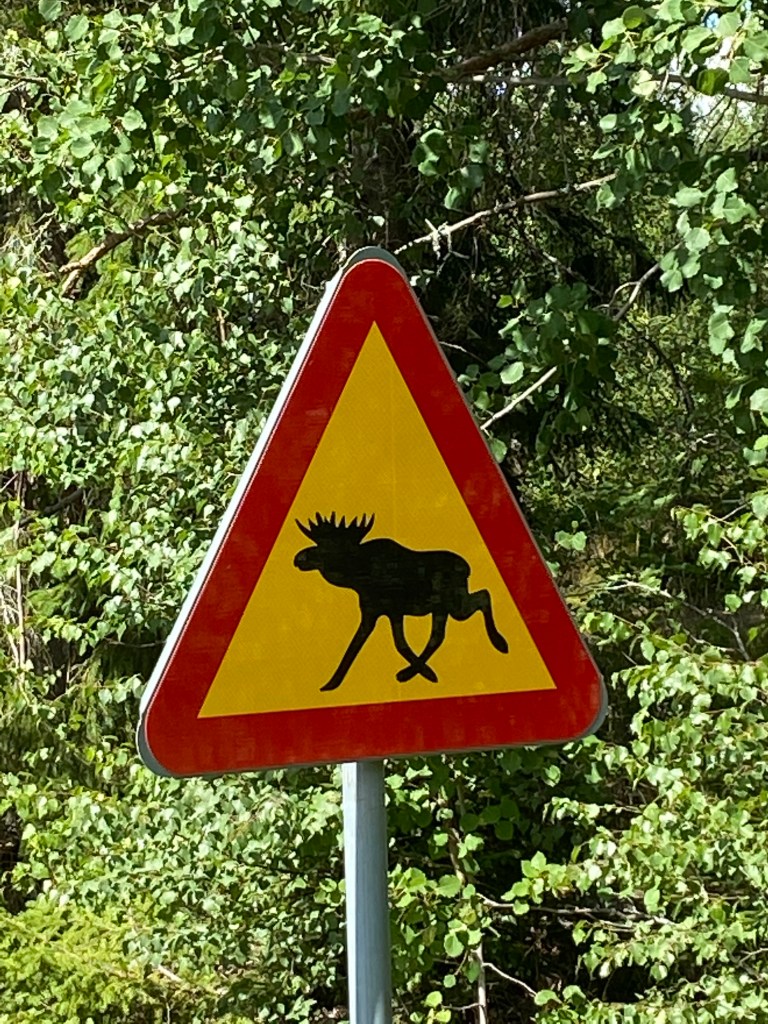
Let’s start with a classic :
Yes, this one can be seen pretty much anywhere in Sweden and as I have shown in one of my previous blog posts, there is a good reason why these signs are out there : you definitely don’t want to hit an elk (or a moose for my American readers….) with your car. This sign has proven to be so popular, that it has turned out to be one of the most sold Swedish souvenirs (even if the tourists have not even seen a single elk during their travels….) and as the probably most frequently stolen road sign worldwide…..
Elks also have their smaller Arctic cousins – the reindeer – and sure enough, they too can’t do without their personal warning signs (this photo was admittedly not taken in Sweden, but 10m over the boarder in Norway – it was just too great an opportunity to miss…..)
It appears that these signs are working for Vizslas (without antlers !) as well!….
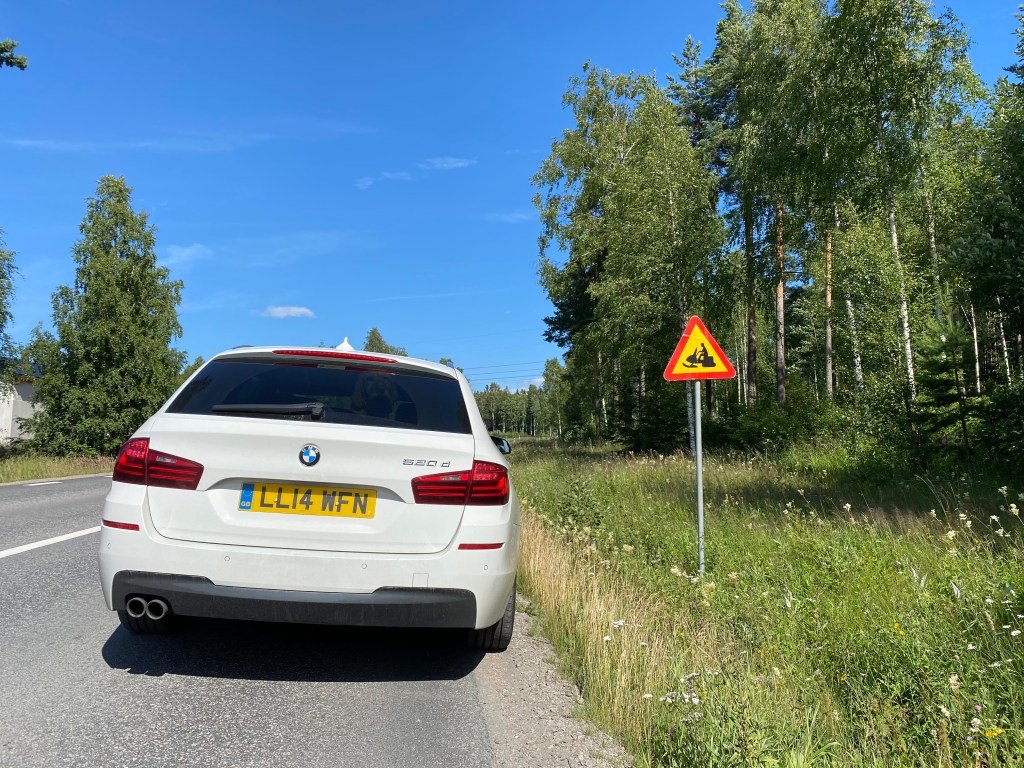
A completely different sort of animal appears to be in need for these signs:
I find that somewhat surprising, as I would have thought that both the petrol fumes and the noise would give them away already from a considerable distance…..
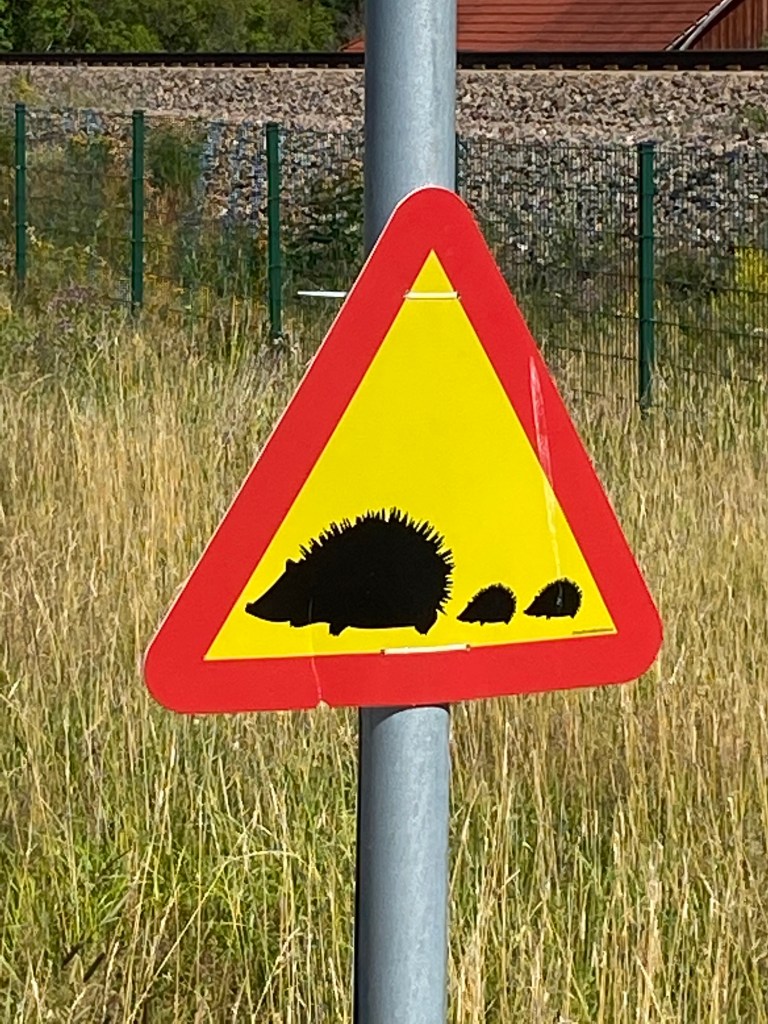
A kind hearted Swede near our clinic came up with this version, which couldn’t be more self explanatory …….
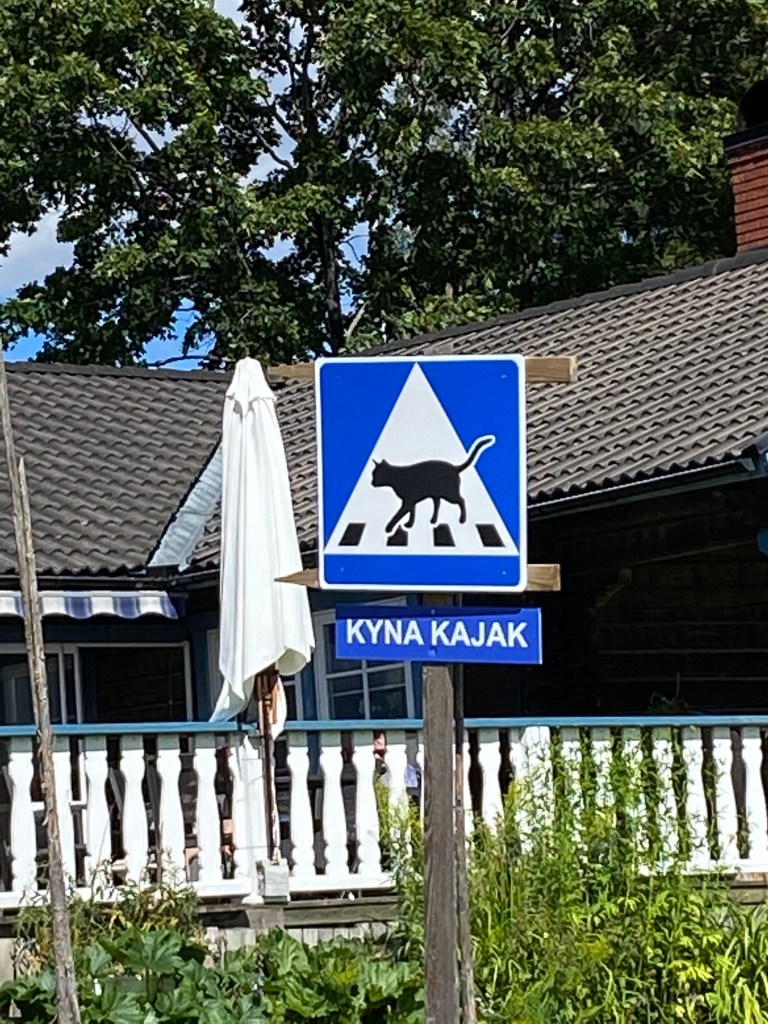
Finally, while cycling around Lake Ruun – at a pretty moderate speed anyway I like to add – I came across my personal favorite ……..
Not even a warning sign – please note here the zebra-crossing!……..
But then I think that we always knew that cats are special……
After savouring a few continental delights, I finally had to leave Silke and Bavaria behind to , once again, follow a call to the North.
Yes, it was time for a return to Sweden, but this time in the summer !
On this journey – for a change – I was not traveling alone, but I was taking along a trusted companion : our Hungarian Vizsla “Mia”.
Mia had – unplanned – weathered the COVID19 lock down in Stade, near Hamburg, in Germany and had been utterly spoiled with endless walks and fine food by my kind sister-in- law Ute. It was with a very heavy heart that she let the ginger canine go with me and admittedly I felt a bit guilty for taking her out of her comfortable existence.
Luckily it didn’t took much convincing to make her jump into my already pretty packed car (a fairly normal situation vets’ dogs find themselves in….) and Ute had to rush off, to spend the next 2 months on a sailing boat on the North Sea, which admittedly hadn’t been Mia’s thing….
Traveling with a dog is automatically changing the dynamic of a journey, as you are forced to make more stops and certain modes of travel – like motorbiking or flying – are no longer possible or at least not practical. This not only gives you more time to think and to reflect on the environment you are finding yourself in, it also helps with social interaction.
John Steinbeck described this half a century ago in his “Travels with Charley” – the standard poodle who joined him on his epic search for America. When Nansen made his historic winter crossing of the Hardanger Vidda, to attend a skiing competition in Oslo, he only took a dog with him – probably because he couldn’t encourage anyone else to join him….. So I was just following in very big footsteps…..
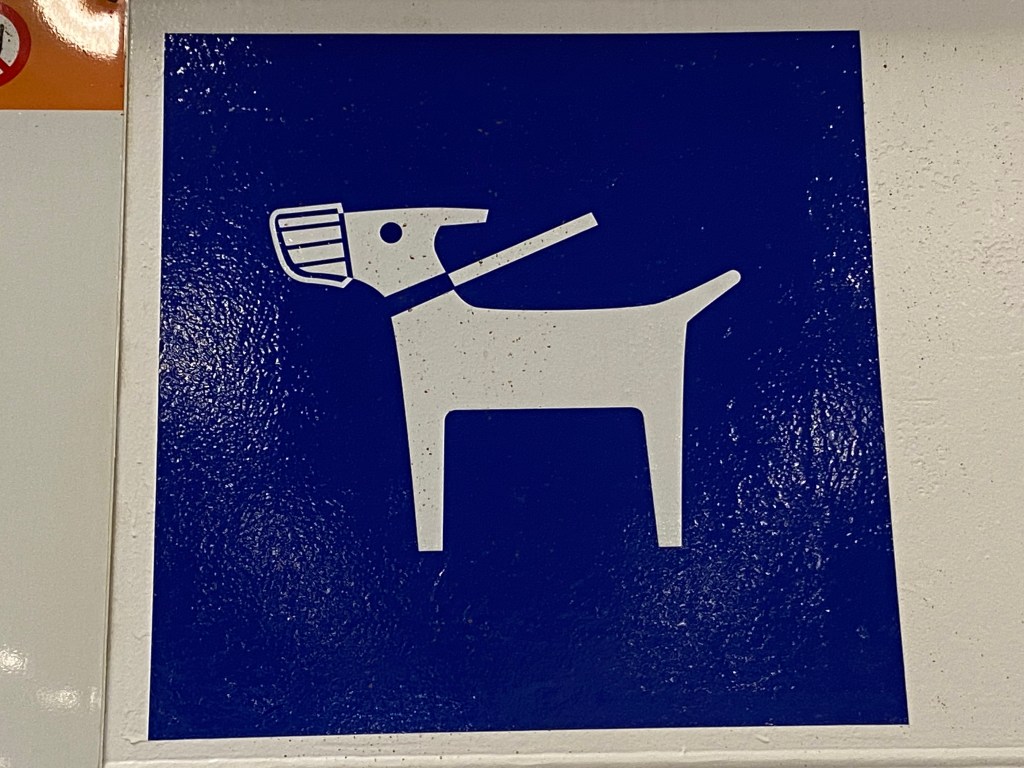
Mia’s excitement to go on a journey didn’t last very long though, because as soon as we boarded the ferry from Rostock to Trelleborg, I had to fit her – for the first time in her life – with a muzzle.
Thankfully the ferry was virtually empty (Sweden is at the moment not a very popular tourist location, unless you are Swedish….) and no-one cared very much for this canine dress code, so that for most of the crossing we could do without it.
Sweden is a bit of a dog’s paradise with the potential though to turn very quickly into hell…..
There are endless opportunities for outdoor life – you can go hiking, running, mountain biking or just walking and take your canine companion with you. Most dogs (including Mia) are health insured and at least in rural locations like Dalarna, people are in general very dog friendly and accommodating to the needs of dog owners.
Possible problems though – especially for sheltered canine souls from more Southern climates – can be the weather (with snowfall in the mountainous areas even in the summer), with possible encounters with the native wildlife which include wolfs, wild boars and snakes and – in Mia’s case – the exposure to swarms of mosquitos in July and August.
But all in all – especially since being the only dog and hence the permanent centre of attention in a house of traveling veterinarians missing their own dogs, I think Mia is not complaining about her little adventure.
She now comes to work with me every day, getting a few extra hours of sleep in one of the kennels at the clinic, before being “stolen” by one of my colleagues.
Well, Mia doesn’t mind as long as there is an extra walk in it for her or if someone is cooking and – very important – is accidentally dropping some food on the floor……
It is often the little things in life which we are taking for granted, that often make a huge difference.
Once exiting the Channel tunnel at the beginning of July, the road took me and my once again filled to the brim BMW (this time taking my mountain bike, rather than my skis with me….)
through the North of France and through Belgium to some good friends in Bonn, the former capital of West Germany. As I was a bit ahead of my agreed time of arrival (which is unusual….), I just couldn’t resist to stop at one of the many excellent Italian ice cream parlours, which are a stable in most city and town centers in Germany.
Oh,……. the delight of – once again – being served a good coffee, while being allowed to sit down and then the pleasure of a “to die for” cup of hand made ice-cream…….
It was then, when I started to fully understand the story my Estonian friend and colleague Tiina Toomet told me (while we had coffee and cakes) some years ago, while sitting in the sun in a cafe on the shores of Lake Geneva:
As a teenager, as a Soviet citizen at that time, Tiina enjoyed the rare privilege of a visit to West-Berlin and was walked in a tightly controlled group over the Kurfuerstendamm – during the time of the Cold War Berlin’s main shopping street – to observe the way of life of the “decadent” West. I am not sure what exactly the idea of this exercise was, but at least with Tiina it failed spectacularly…..
Seeing people with full shopping bags interacting in a relaxed and seemingly happy way with each other wasn’t that off putting at all. The pleasure she envied the most though, was to be able to sit in a cafe and to enjoy an ice-cream in the sun !….
Good for her that she could still recall this feeling after so many years, to enjoy a simple pleasure like this now even more.
I think that it was this, that went through my head in the not more than three minutes it took me to finish off my Cup Malaga.
The next “little thing” that made a considerable difference for me and my mental wellbeing, happened the following day in Neu-Oetting (another – younger – sister of Alt-Oetting) in Bavaria: after probably four months I was finally getting a haircut !
I will spare you the photos of the result, but thankfully the hairdresser had a solid broom and a large bin in her shop.
It was followed the next day by a visit to the dentist (no photos here as well….).
Although I am usually attending the definitely best dentist in the world in the UK, she was this time not able to help me with a lost filling, as all British dental surgeries had shut down completely since the middle of March. Making good (and possibly final) use of the UK issue of my European Health Card, I got my troubling molar rebuild and received at the same time a lot of useful tips on how to handle the Bavarians by the East German locum who saw me.
The final “little thing” I was now able to enjoy as well, was admittedly not quite so little – it was in fact nearly 2000 m high!
Driving just an hour South, Silke and I reached the foothills of the Alps and the tranquil and picturesque town of Bad Reichenhall.
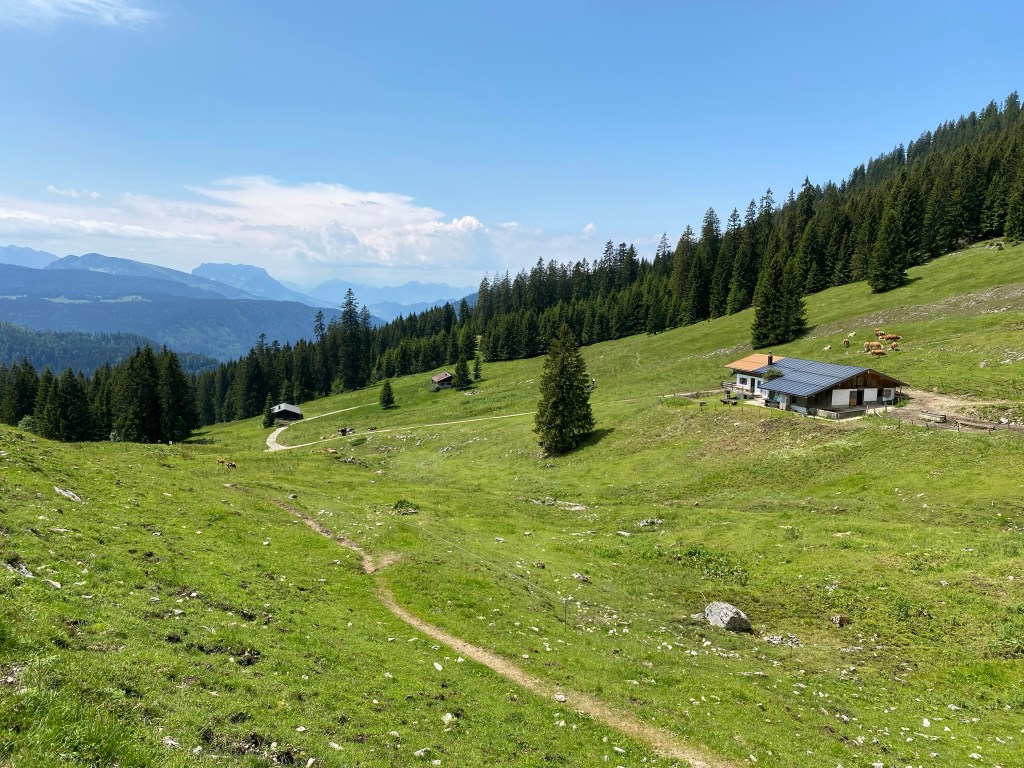
After supplying ourselves (unnecessarily) with food and water, we finally went on our first hiking trips this year, visiting high alpine grazing sites and small mountain huts.
Once again we were able to walk for miles without hardly meeting anyone, enjoying the blue sky and the panorama of the Northern Alps around us. What a pleasure to be able just to travel and to walk where you want, without any restrictions.
And to make things even better – following the hiking, back in the valley, we could sit down again for a coffee and an ice-cream (or may be a piece of apple struddle ?!….)
One is hard working and virtues, she is neat and tidy, prays a lot and is a very regular church goer. The only man she ever loved went on to become the Pope.
The other one is naughty, she doesn’t know if it is better up on a hill or down on the river, she likes to joke and enjoys good music. An angel was so in love with her, that the rest of the world just saw his naked backside.
The sisters I am talking about are the Bavarian towns Altötting and Burghausen, situated in the fare Southeast of Germany, right at the border to Austria.
Just before the lock down I had an opportunity to visit these places and after three months of social distancing in the UK, I am enjoying here again some of my first restaurant meals and something that resembles what I would call “normal” life.
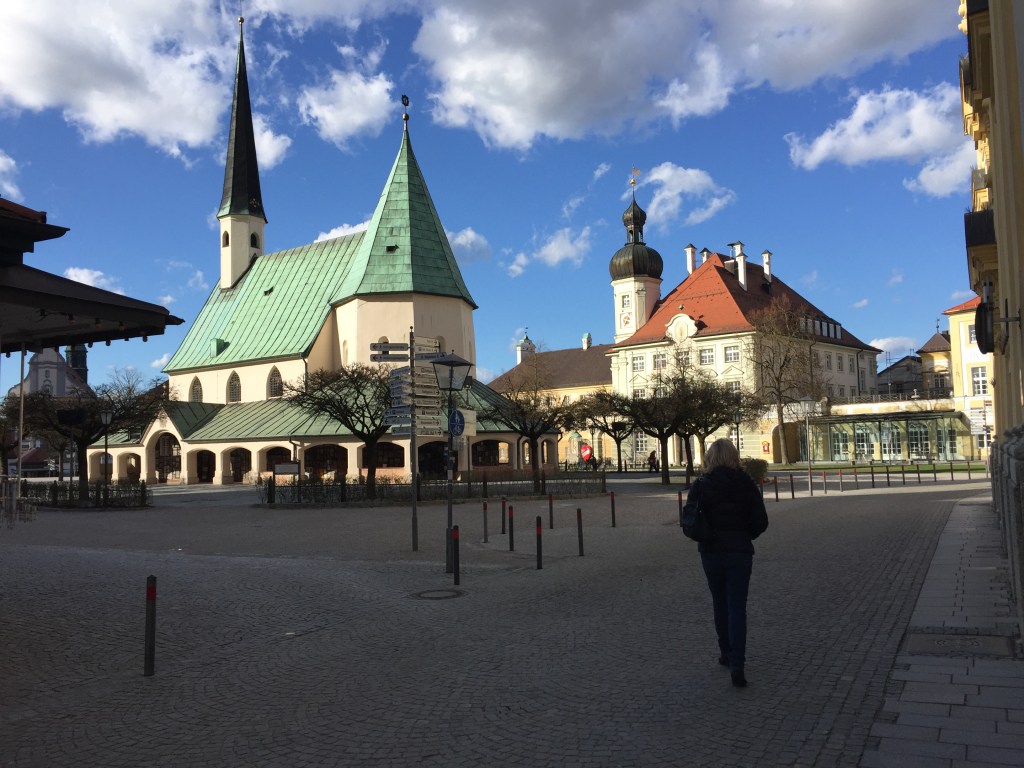
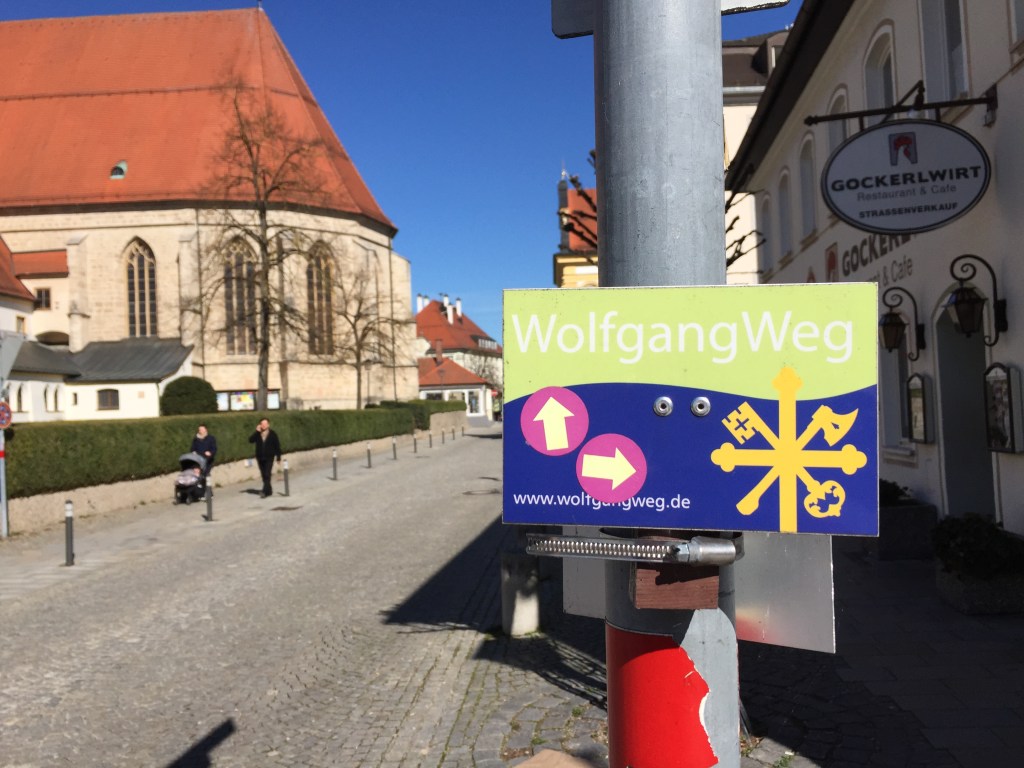
Altötting is probably the closest thing catholic Germany has to places like Lourdes or Krakow: a multitude of churches, cathedrals and chapels, of which one – right at the town square – is dedicated to a small statue of Maria, the Mother of Jesus. Not less than eight pilgrimage ways pass through the town center. They even appear to have one for me!…..
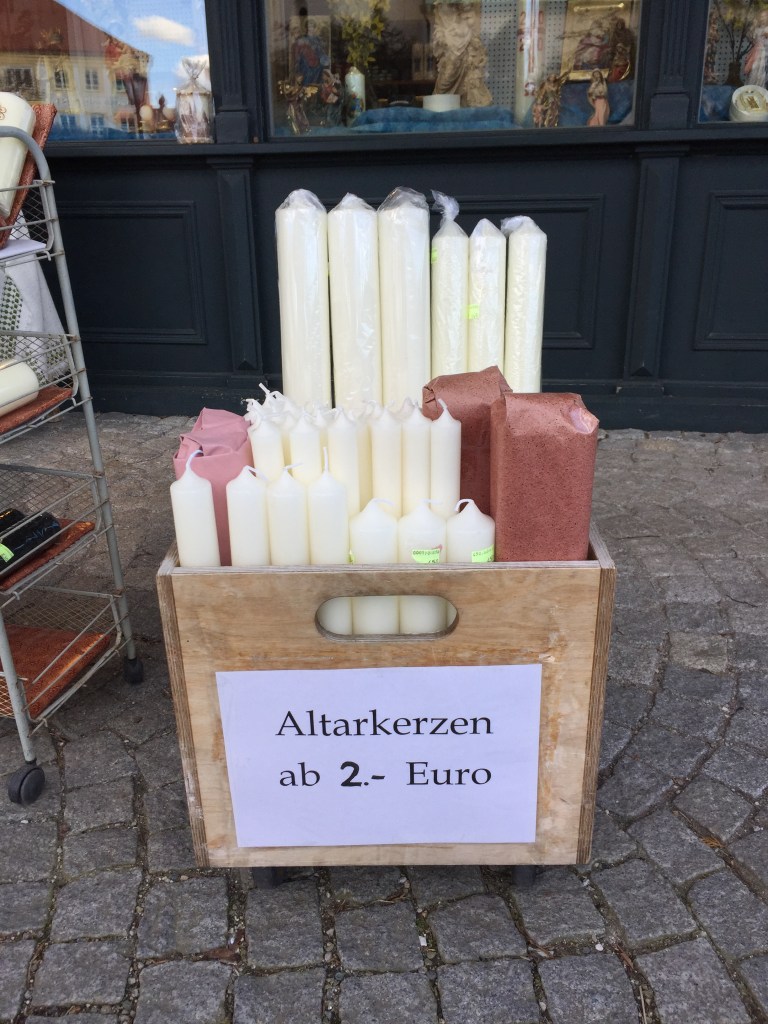
Tilly – General of the catholic forces during the Thirty Years – has his own crypt in the local cathedral and if you are exhausted from shopping for the right crucifix, candle or other devotional equipment
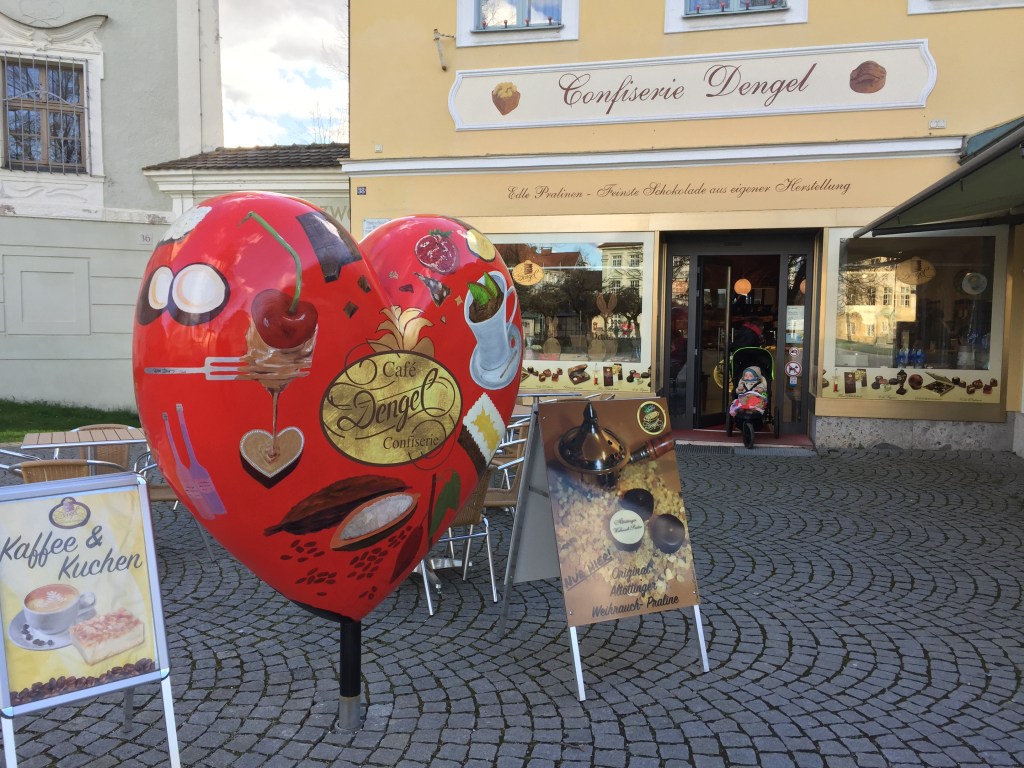
in the multitude of dedicated outlets, you can do so with a coffee and a few incense truffles…..
Monks, nuns and pilgrims, some of whom are carrying crosses of various sizes are frequently encountered on the streets and the regular ringing of church bells makes it unnecessary to wear a watch.
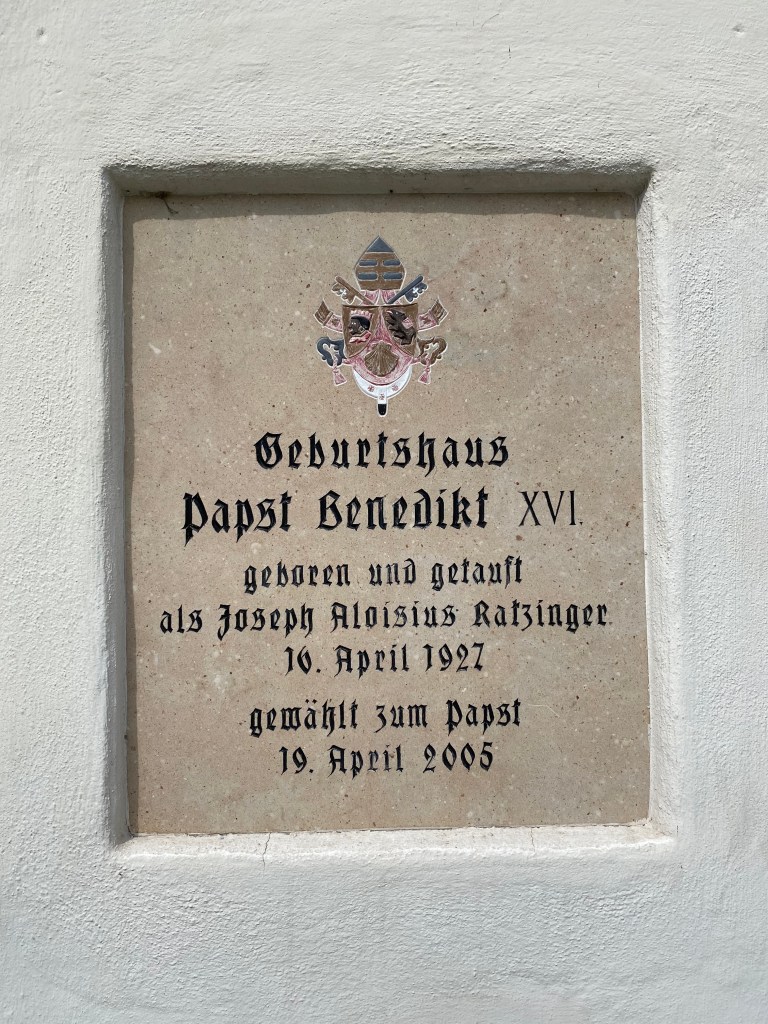
Joseph Ratzinger, better known as Pope Benedict XVI as born just around the corner in the small town of Marktl.
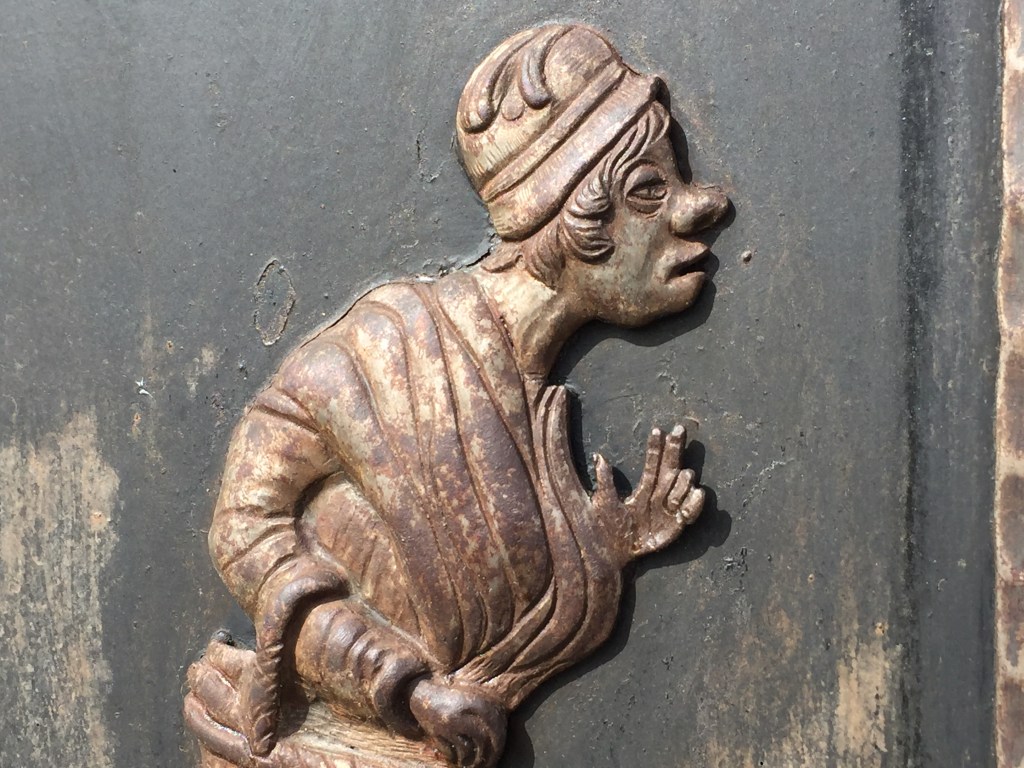
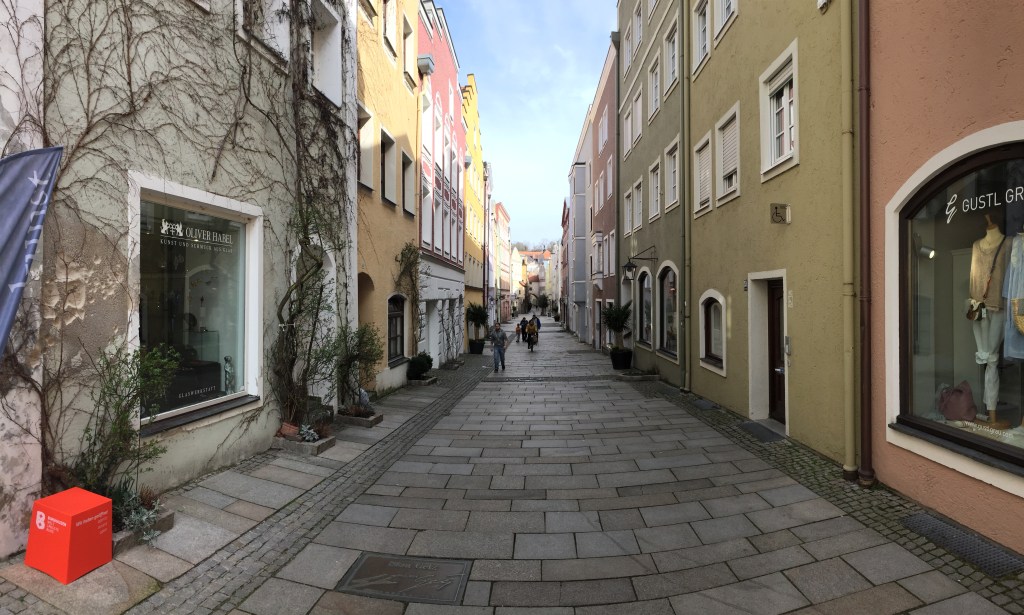
Just 10 miles away from Altötting, hugging the border to Austria, is Burghausen – divided into an old part in a gorge, next to the river Salzach and a new part on the hill above it. It not only features Europe’s longest castle, but also a renowned annual Jazz Festival, a selection of Tattoo parlors and a cabaret. When walking through its medieval streets, you come across a lot of small and often hidden features which tell a tale of mischief and of a great sense of humor….
Apparently the two sisters are planning to see more of me in the nearer future, but I am wondering how veterinary life is going to turn out in this part of the world……
COVID 19 and the associated restrictions including the social distancing rules have not been very helpful for the activities of the Blue Vet, at least when it comes to this diary. The last few weeks have shown how lucky we are to be able to travel and to socialize physically with other human beings and that this is one of the key pre-conditions for this account.
Unlike many of my fellow veterinary colleagues I had been lucky though and shortly after writing my last article, I had a call from the team in Abingdon, asking me to help out with their emergency work over the following few weeks. That meant that rather than spending long mornings in bed, I had – at times – to work much harder than in my own clinic in Virginia Water (or at least it felt like it….).
It also meant that I had many opportunities to explore the beautiful villages and the countryside of Wallingford and of the Thames near Abingdon on long evening runs, obviously helped by the absolutely outstanding weather in April and May.
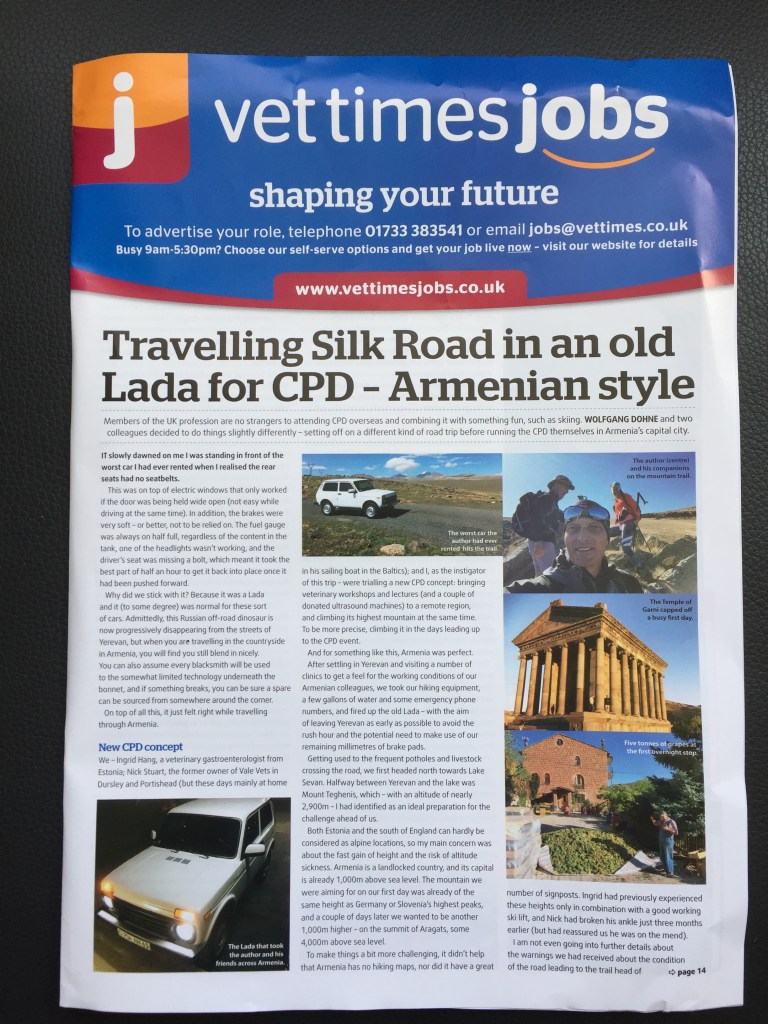
It was also nice to see the account of our CPD expedition to Armenia covered in a well circulated veterinary newspaper – hard to believe that this was soon a year ago…..Looking at the images didn’t help to settle the travel bug though……
Making the most of the good weather, patient 58 in Oxford got a long overdue roof repair, which should finally make all rooms in the building fully habitable (without the occasional indoor use of an umbrella…).
Working once again with the great team of nurses and vets in Abingdon brought included a lot of memorable and satisfying cases. Practicing while socially distancing was at times a challenge, but it also had its comical moments……
The new safety screens are great – if they have the right size and if they are properly secured on the ceiling….
The long hours at work – not made easier with the additional provision of video consultations as a new service – were not only sweetened by the occasional lunch break in the sun, but also by some excellent chocolates, courtesy of some grateful owners.
All in all, the last two months didn’t turn out as inactive as I thought they would be.
However, with the days still getting longer and with life slowly normalizing again, it is also getting time for the Blue Vet to move on and to start travelling again……
This truly is one of the most extraordinary times not only I, but probably most of my readers and actually most people on the globe musty be going through….
….but to be quite honest, there are some aspects of this involuntary period of self confinement, which I am in fact enjoying …..
Yes, first and foremost it has – unexpectedly – brought together the whole family (plus my son’s exiled girl friend) under one roof, resulting in daily family meals, frequent and possibly more meaningful conversations and even in the odd joint online or board game, usually only reserved for Christmas. As the house is thankfully large enough to leave everyone their own space if needed, it is a nice state to find myself in, especially after periods of solitude in Sweden.
The other great advantage the lock down brings is : Time!……
It was for the last 10 or 15 years the commodity I was missing the most, which – to a large degree – was self-inflicted…
I had at times just taken on too much or I just wanted to do too many things at the same time. Admittedly a lot of these things were really good fun (traveling, sport, FECAVA and BSAVA activities etc) but they left me in a constant state of restlessness and with the feeling that I was always in a desperate race with all my commitments. Although I find that I am definitely more productive under these circumstances, I think that there is a fine line between “eu” – stress (when you think that you can cope) and “dys” – stress (when you think that you can not)…..
It is now 10 days since I finished my last emergency shift in Oxfordshire and to be honest, I haven’t really tried to get another placement at the moment. Without the pandemic and its consequences, I had expected to have met this week with some Czech colleagues in Prague to start organizing another congress and I had been due to attend the annual BSAVA Congress – this year for the last time in Birmingham (happy memories….).
All this and additionally a planed trip to the far East is now not happening and instead of certain unfamiliarity, I am finding myself surrounded by familiarity but in a state of complete uncertainty.
So how is the “Blue Vet” organizing his day during the lock down?…..
The biggest daily task is to finally get organized : in my study, there are still boxes of stuff from my latest travels, that need to be emptied and there are the mountains of seemingly never ending paperwork that can now be dealt with. For once even my accountant is impressed with me…..
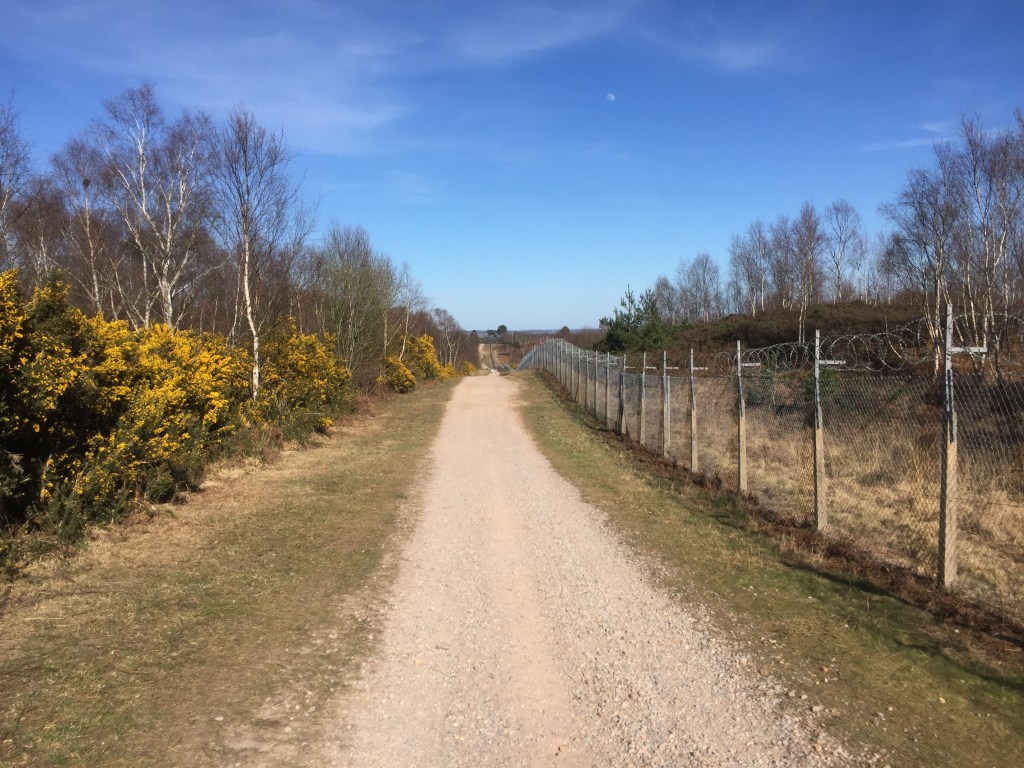
As already mentioned above, thankfully our house has a few features which make it an ideal place to keep me busy. A decently sized garden and in addition to that a couple of weeks with excellent weather certainly helps. I also appreciate that the government has had the good sense to grant its citizens a single exercise session per day – this means that the military road next to the army training next to our house receives a daily visit.
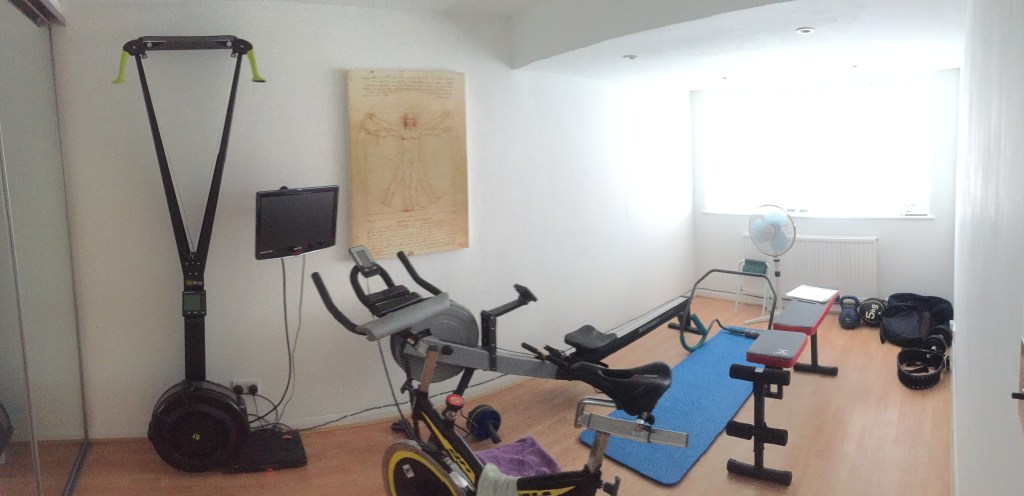
And even if that would no longer be allowed, there is still a gym waiting for me just two doors away from my study, which I had set up years ago to curb the impact of too many hours at the clinic or in front of the computer combined with a sugar rich diet.
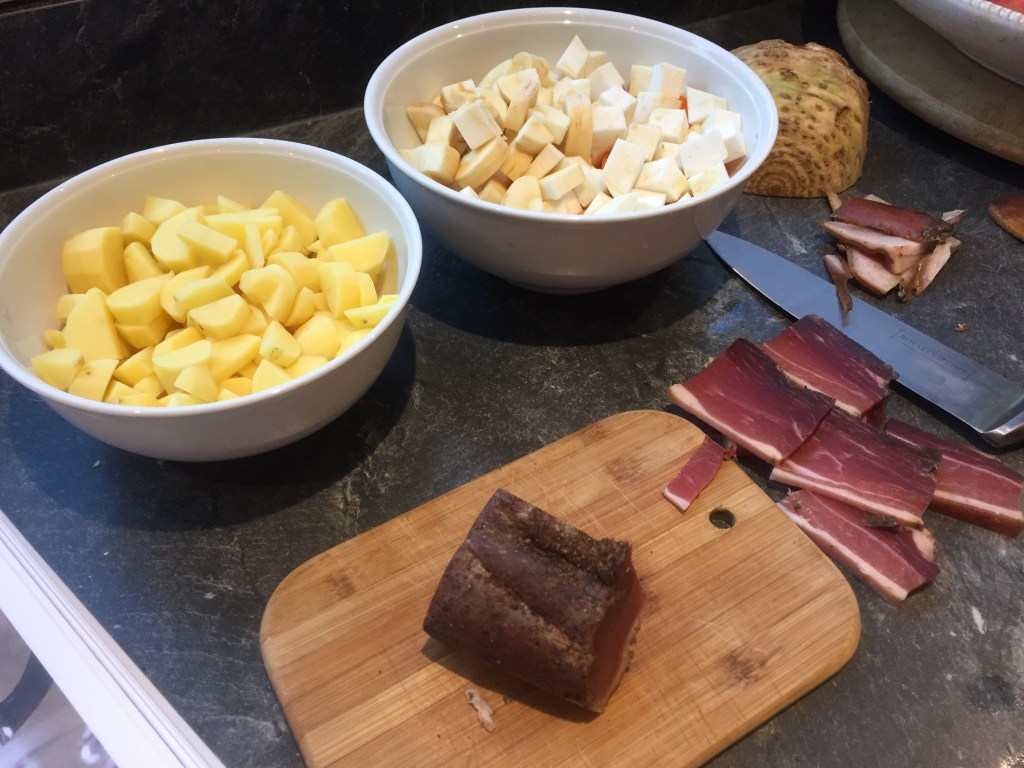
While we are on the subject – I have also declared war on the seemingly never ending quantities of tins and dried food stuff which have been stored away in draws and in our garage. Finally I am finding time to cook and I have five (if I am counting in our three legged cat….)
victims, who have to endure my creations….
An yes, there is also time for a good read….
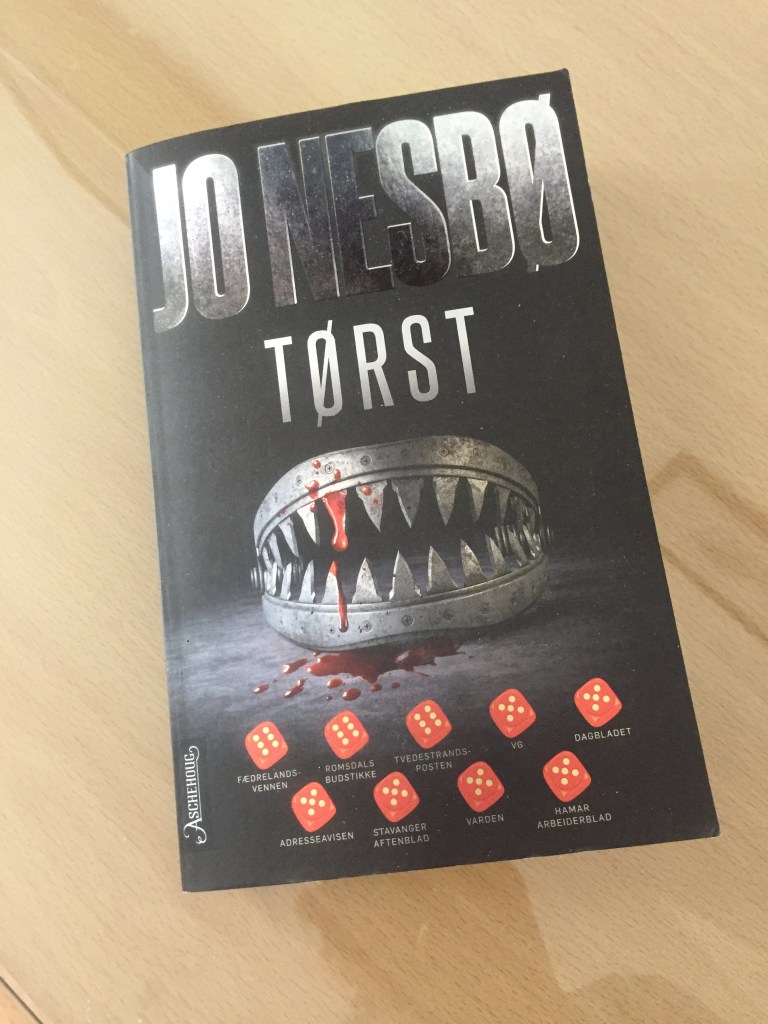
Both, to keep up with the language, as well as satisfying my cravings for excellent “Nordic Noire” literature, I am working my way – surprisingly fast – through a more recent Jo Nesbø novel in its Norwegian original. Highly recommendable – no just during a “Lock Down”.
A further “life line” is also the network of friends (vets and non-vets) and colleagues abroad and elsewhere in the UK. Lets admit it – the internet is a brilliant invention (if you have a decent connection). Seeing how colleagues all over the globe are arranging themselves to continue to provide help and support not only for their patients, but often also to their neighbors and loved ones, is both inspiring and humbling and reinforces my expectation that we might progress from the current situation (which will be a matter of the past in a few weeks time) possibly even as better human beings…..
It wasn’t clear if I would be allowed to return back to my temporary placement in Abingdon and Wallingford when I returned to the UK, as in the meantime the UK management of the group I was working for, had given out the instructions, that all travellers to both Germany or France should self isolate for 2 weeks. After spending an extra day at home, this decision was thankfully revoked and I was once again on my way to Oxfordshire.
In the following days though, as the number of SARS-CoV-2 infected and unfortunately the dead was starting to rise exponentially, both internal and national rules and restrictions were changing rapidly.
On my first day back at work I was still “physically” seeing both pet owners and patients in the consulting room, where “social distancing” rules couldn’t really be adhered to. These consultations included routine health checks and vaccinations, which – despite wearing face masks and gloves – we became progressively uneasy with.
Our concerns were not helped by the now very frequent news we received not only from other UK colleagues, but also through my network of colleagues from other parts of Europe and from the rest of the world.
Towards the end of the week, also here only emergencies were admitted and I could use some of my spare time to distribute COVID19 infographics for both vets and for clients, which had been put together by the FECAVA marketing team, to both my British and to my Swedish colleagues. These guidelines are now in use in veterinary clinics all over (and beyond) Europe.
Clinical work had to continue though and just before the UK went into a complete lock down, we decided to operate on a young French Bulldog who was recovering from an aspiration pneumonia and who had severely obstructed upper airways. Unfortunately this is still a very common feature in these very popular dogs and his pre-surgical X-Ray showed not only the complete absence of a nose, but also a virtually complete obstruction of his throat.
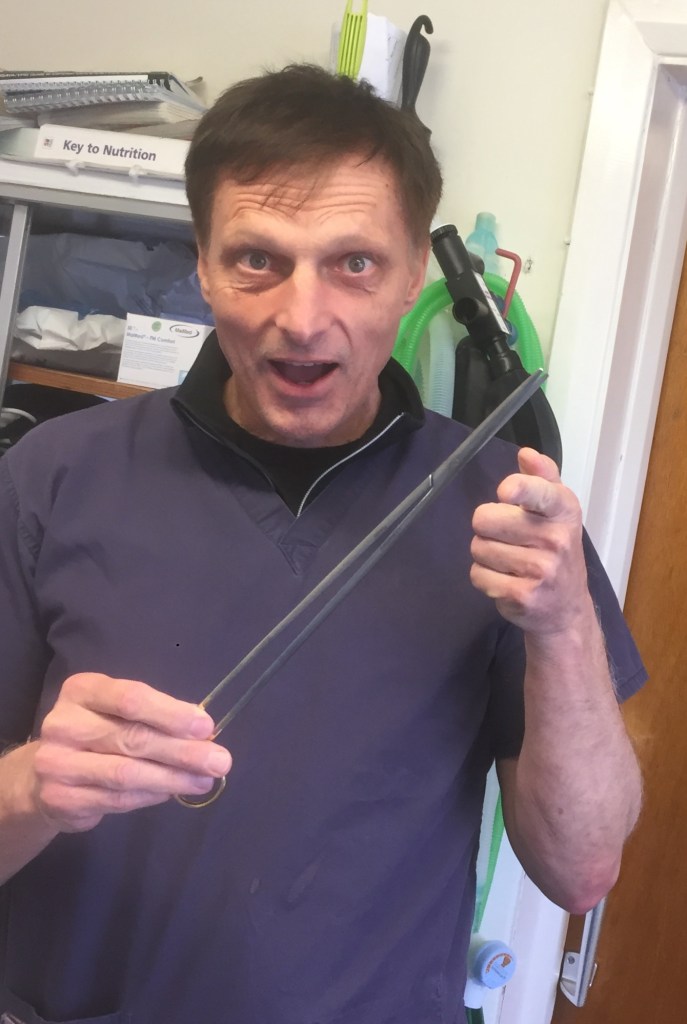
Before starting with the operation, I checked all the instruments needed. This included a pair of long curved Metzenbaum scissors which I had asked one of the excellent nurses to order. She duly did so, but I had not paid proper attention when she had pointed out that the longest pair was 30 cm (!) long…….
Although being of an excellent quality, this piece of equipment, more designed for bovine surgery, was sadly of no use for me, but thankfully a smaller pair could be found in one of the other surgery kits.
The Frenchie’s throat was so narrow that it was impossible to intubate him under visual control (which is very rare with dogs) and rather than thinning and folding his soft palate forward (which in fact made matters worse…..) I had to completely resect it. Scary stuff, but there was surprisingly little bleeding and for the first time in his life, this little man could breath like a “normal” dog…..
Over the following few days, pandemic related matters worsened and clients were no longer allowed inside the building, not only to protect the team, but even more so to protect them from anything they might pick up in the waiting room. Somewhat bizarre consultations were now conducted on the car park, which reminded me to scenes out of spaghetti westerns or spy movies with prisoner exchanges :
Both parties are on opposite sides of a car park, with at least one of the characters masked, instructing the other (the client) what to do and what not to do before being told to retreat into his or her car.
Completely unreal, but all the clients I have seen so far have been extremely understanding and appreciated in fact these precautions. Regardless of this, I always felt that I had to apologise at the end of an emergency consultation conducted like this to my clients.
Another development is the emergence of the telephone and especially of the video consultation. This is a service that has been offered by some providers for a while, but with limited acceptance. However, now these consultations cover most of my diary.
The clients are loving it and I have to admit that with some experience a lot can be done and can be seen during this form of interaction with pet owners. I think that it is foreseeable that video communication on many levels will see a boost following the COVID 19 pandemic.
This weekend will be the end of my recent locum placement in Abingdon and with plans drawn up between all the larger veterinary groups in the country to work together by providing a strictly emergencies only service for the next few weeks, it is a fair assumption that not only will a large number of veterinary employees been furloughed, but there will probably not be much use for veterinary locums for a while.
Well – at least for me – that is not a problem and although it can’t involve much travelling at the moment, I have other plans…….























 The Blue Vet Diary