I had arrived early, and there was still a lot of time before the visitation of the veterinary faculty of the Universidad Cardenal Herrera in Valencia was due to start. After checking in at my hotel, I took the metro to Plaça d’Espanya and got hold of indisputably the best vehicle to explore the city: a classic, single gear Dutch bicycle with a step-through frame and a small shopping basket attached to the handlebar.
Not quite a Harley Davidson, but comfortable and extremely practical to get around town, using the large network of dedicated cycle lanes in this mediterranean city, that like the Netherlands is practically devoid of any natural elevations.
Heading north through Ciutat Vella and through the smaller streets of the El Carmen neighbourhood, I soon reached Jardi de Turia, a narrow park that like a green serpent worked its way through the heart of the city.
Turning right in the park and cycling towards the Sea, I was looking forward to a retrouvaille with one of the greatest architects of our time: Santiago Calatrava.
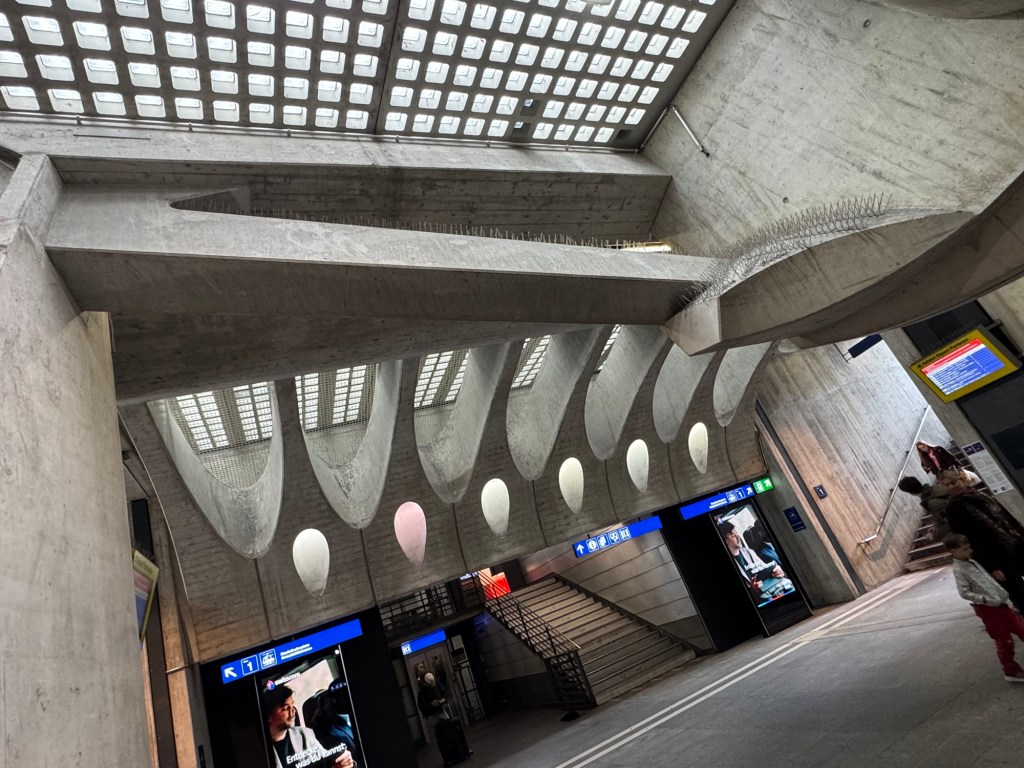
When earlier this summer I met a colleague at Zurich’s Stadelhofen railway station, she pointed out to me, that the modern, very organic features, where supporting columns showed a marked resemblance to fishbones and tracheal rings, were in fact hallmarks for the work of this Spanish Swiss architect. While Calatrava was influenced by the work of Le Corbusier, their personal styles differed considerably, with Calatrava preferring more natural lines.
Sheer luck had brought me now in the same year to Valencia, the birthplace of this architectural grandmaster and to arguably his most outstanding piece of work – the “City of the Arts and Sciences” at the eastern end of the park.
This gathering of futuristic buildings had already been visible from the starboard window of my plane, just before the landing.
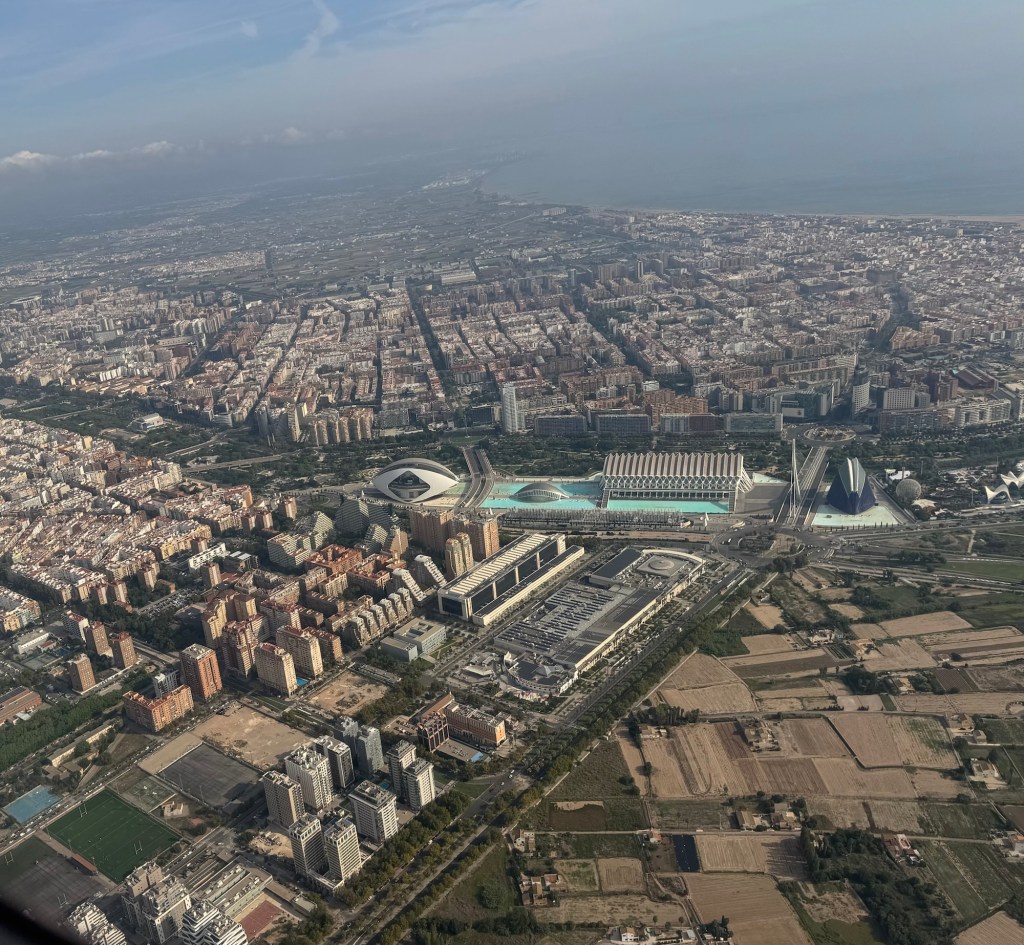
Approaching these massive buildings a couple of hours later with my far more humble vehicle on the ground, provided me with a much greater sense of the enormity of these structures.
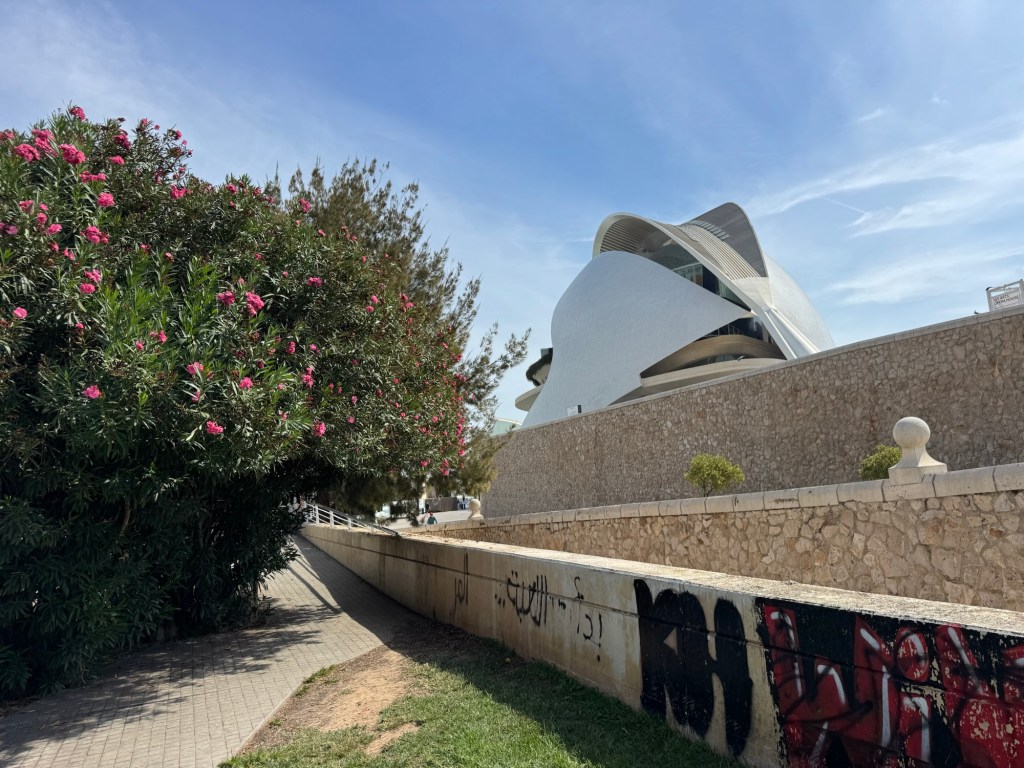
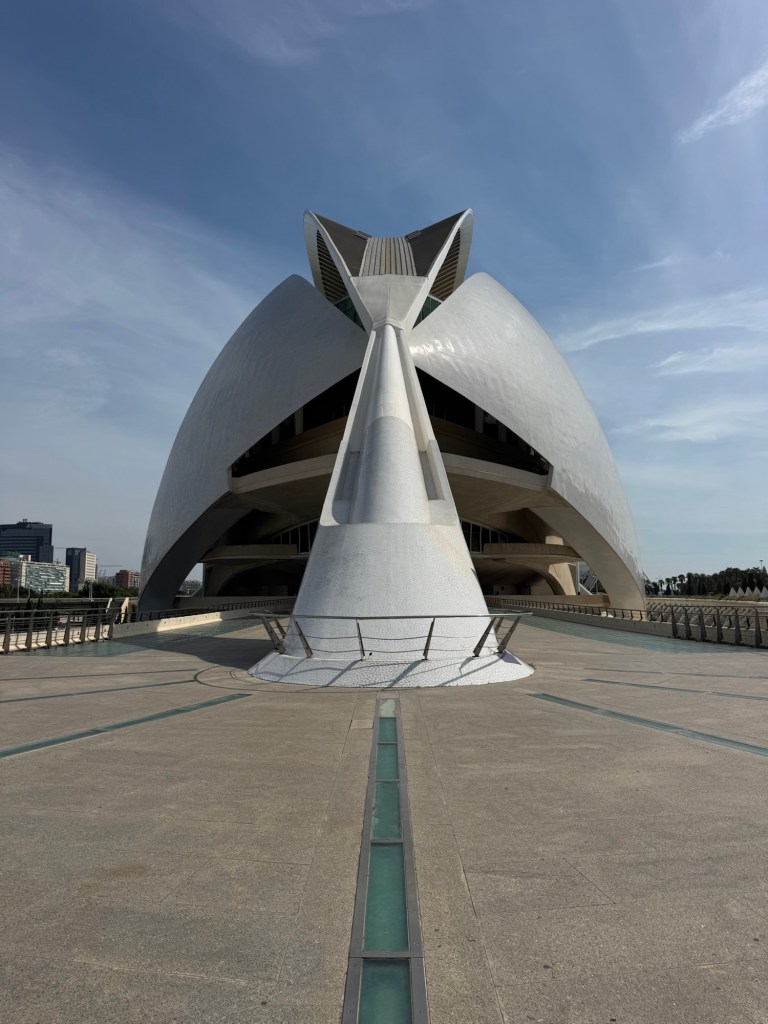
Lined up like the corpses of beached beluga whales, were the Palace of the Arts which included the Opera, the Hemisfèric, housing a cinema and a planetarium, the massive Science Museum and the mitral shaped Agora, an exhibition and conference centre.
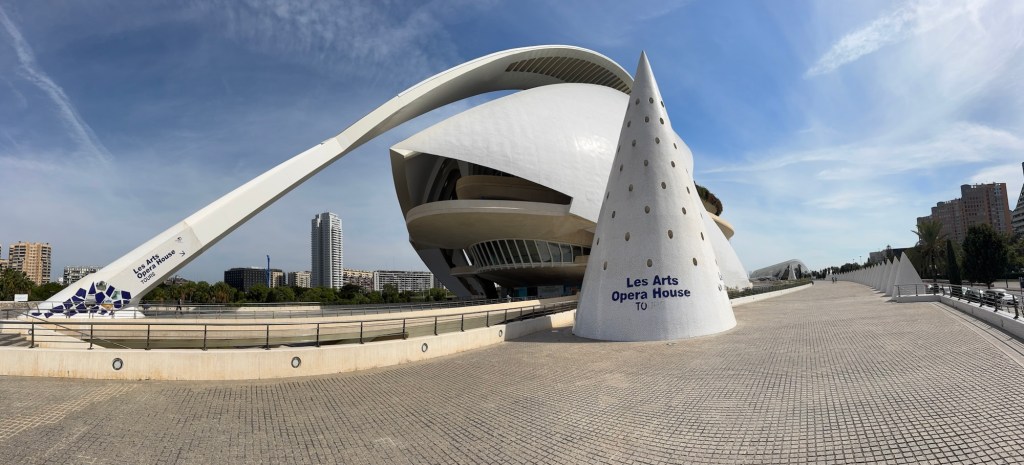
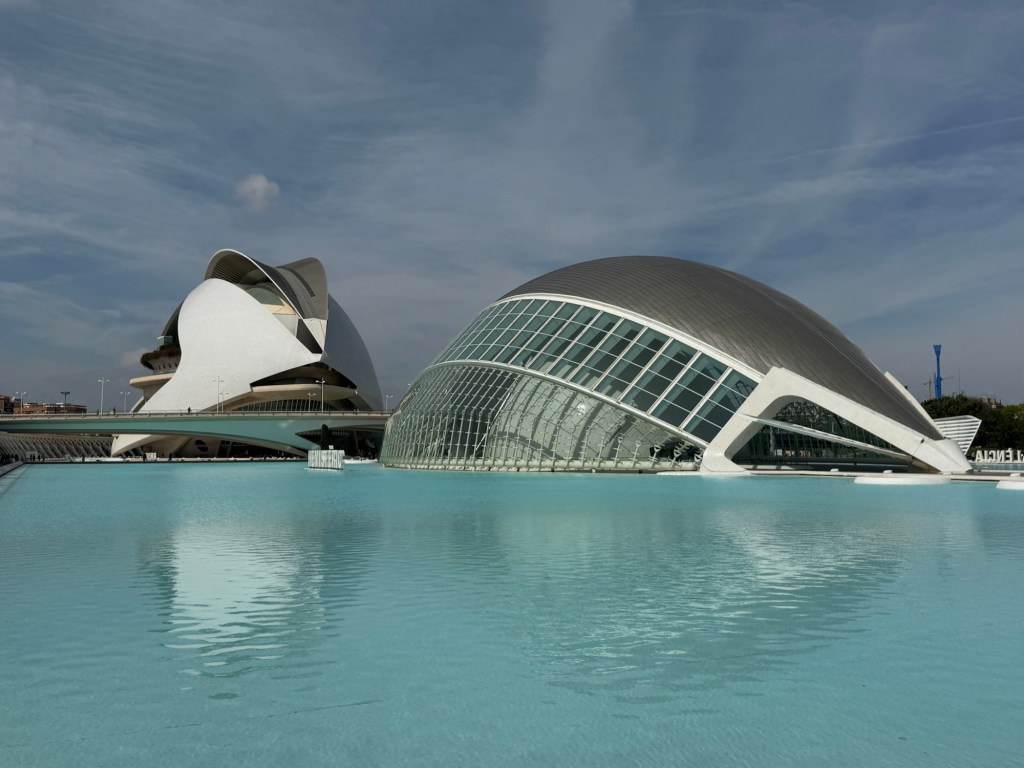
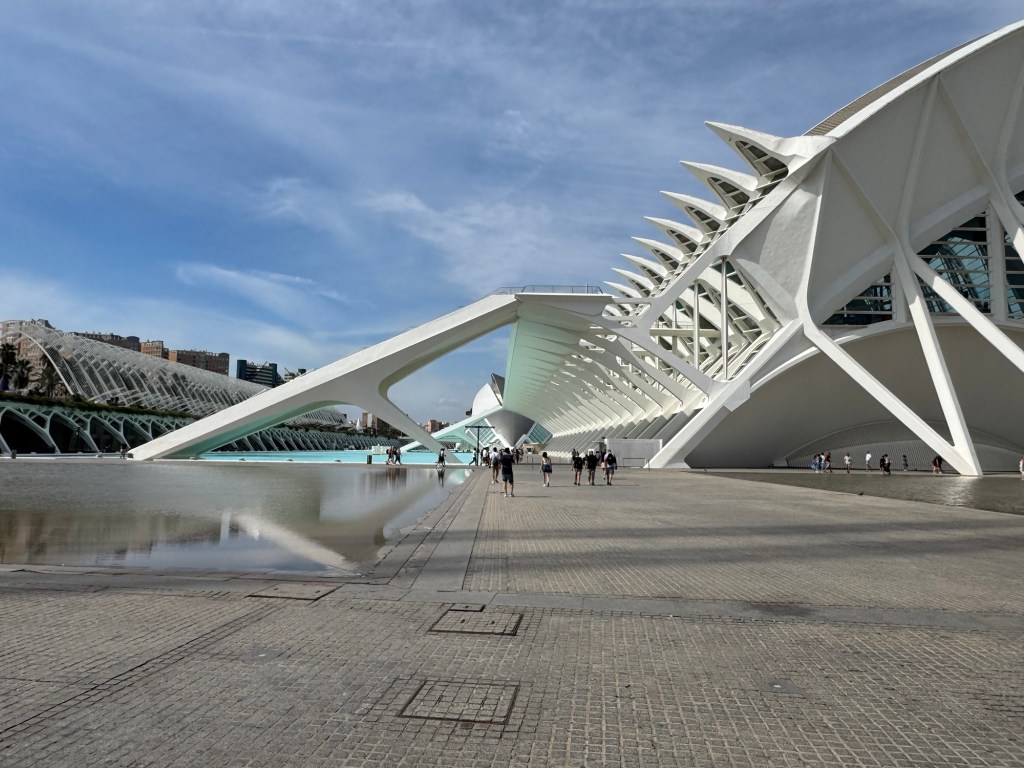
Standing at the eastern end of the whole complex, I had in front of me a view that could have been cut out of a Sci-Fi comic. A spaceship, flying through the blue sky above the buildings, would not have looked out of place.
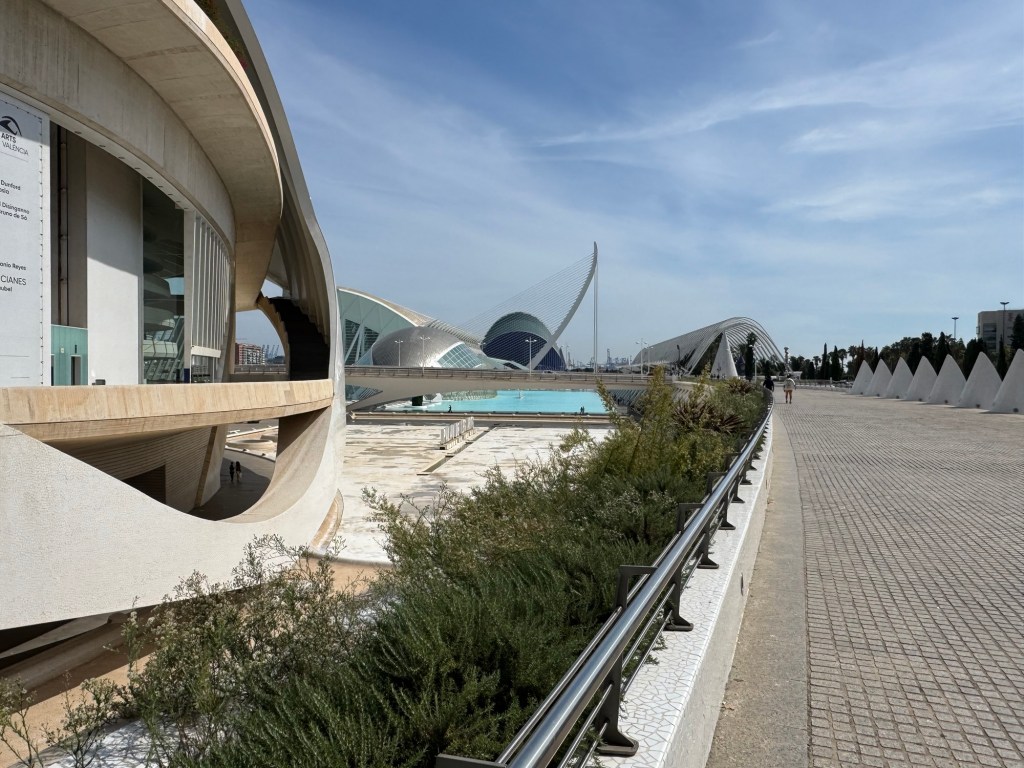
The Palace of the Arts, the Hemisfèric and the Agora had a smooth and plumb appearance. The Science Museum however looked more like an exposed rib cage or a vertebral column. Adding to this, separating the sun-bleached skeleton of the museum from the dome of the Agora, was a harp-shaped structure, that I thought I had seen somewhere before, but I just could not re-call where it was.
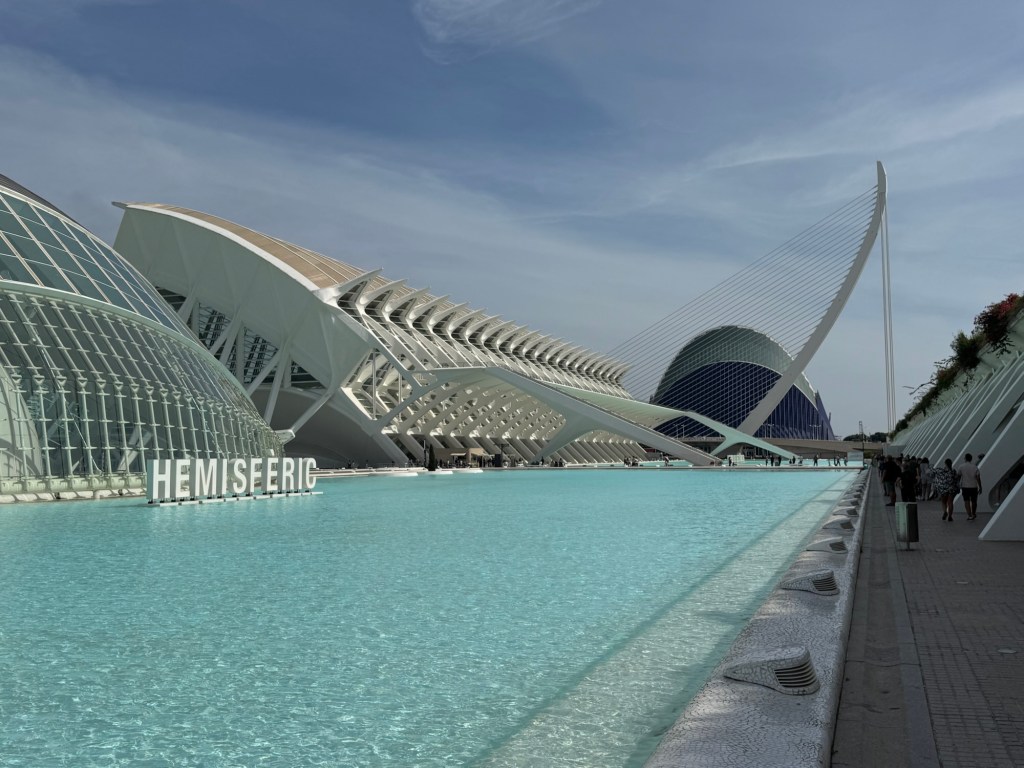
Here clearly the city had given one of its brightest and most famous sons an opportunity to create his own eternal monument. Or did one of the greatest architects of our time provide his hometown with an architectural masterpiece that like Barcelona’s Sagrada Familia or Bilbao’s Guggenheim Museum will forever draw in visitors from all over the world?
We will never know …. but, does it matter?
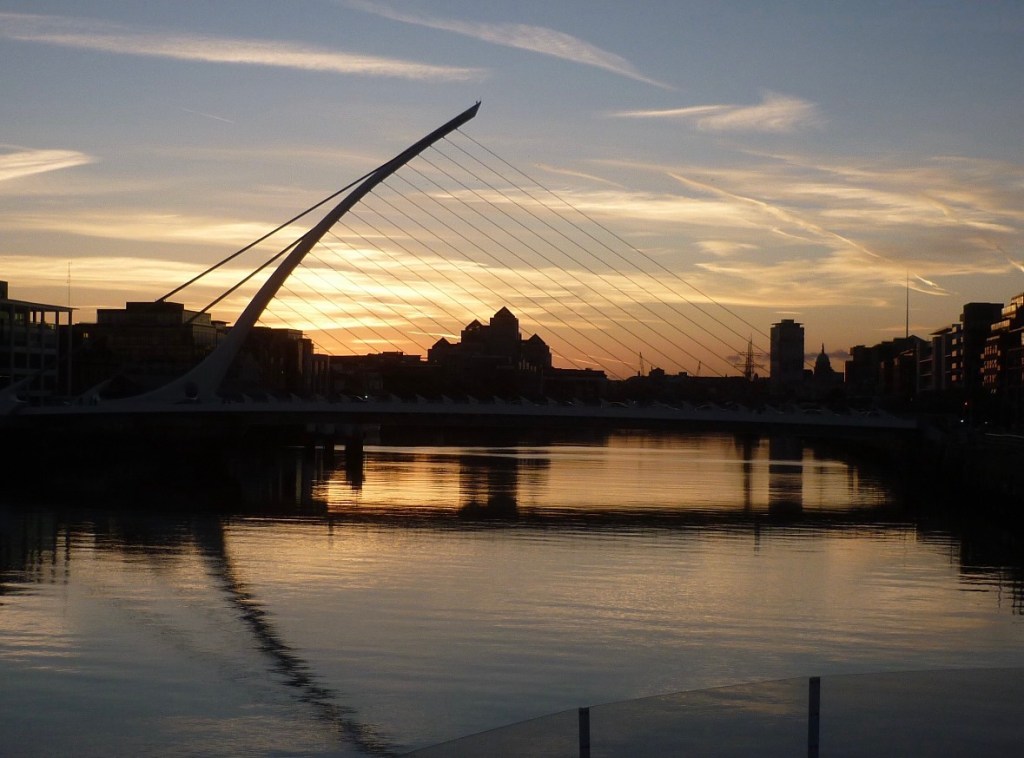
For the rest of the day, the feature of the harp-like bridge remained in the back of my mind and when, after returning to the hotel, I looked a bit more into the catalogue of Calatrava’s works, it turned out, that this year had not been my first encounter with his creations. Thirteen years ago, I had admired Samuel Beckett Bridge, when I visited Dublin for the first time. What a fitting tribute to one of the country’s greatest authors.
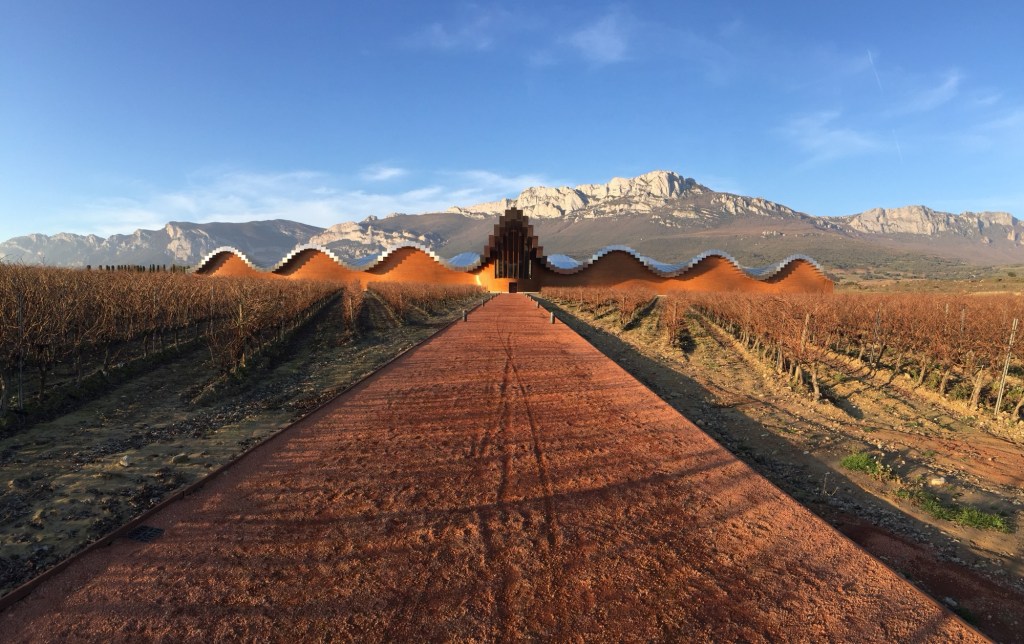
Another encounter had happened, when a few years later, I took my whole team on a pre-Christmas journey to the Rioja region of Spain, and we were standing in-front of the iconic building of Bodegas Ysios, an exclusive winery, situated in a spectacular setting against the backdrop of the mountains of the Sierra Cantabria to the north.
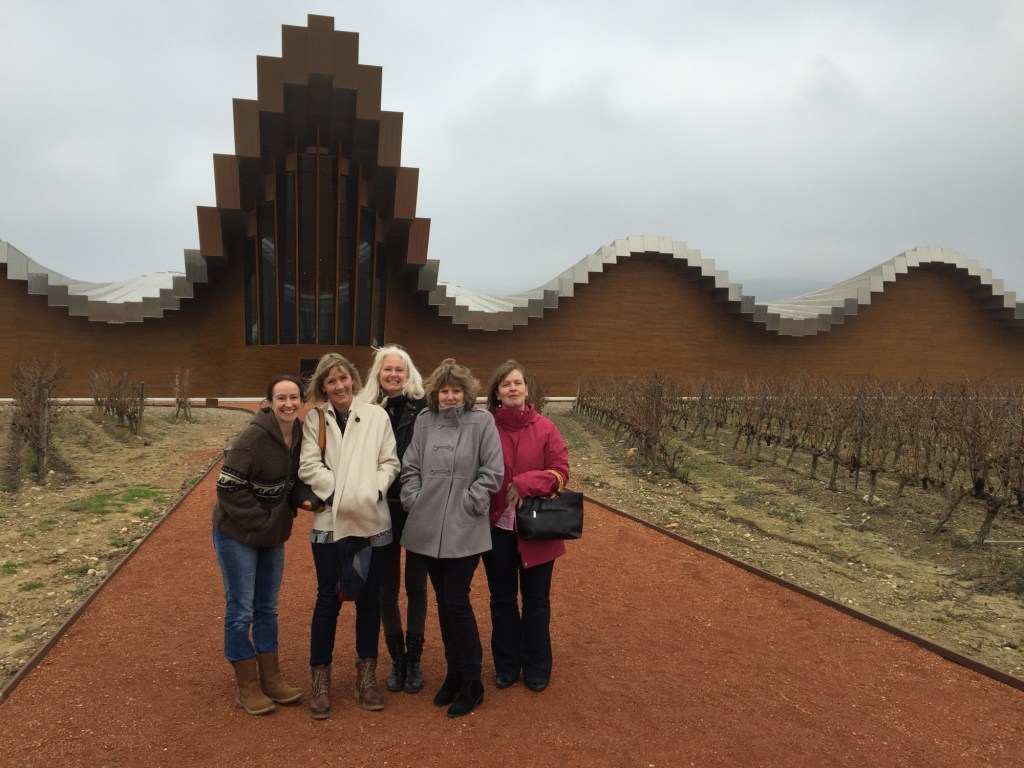
Not for the first time I realised, that it requires only a few people, armed with great ideas, to make the world a more intriguing place….